Some Places Stay With Us
Some places go on living inside us, even when we are far away.
Sometimes they come back without warning. In a scent drifting across a room, in the warmth of a stone beneath our hand, in the sound of water breaking on the shore. In an instant, what we thought was far away feels unexpectedly close.
Circeo is one of those places.
Here the sea meets the headland, the dunes follow the breathing of the coast, the woods hold their cool shadows, and the lakes gather the changing colours of the sky.
These landscapes lie close together, yet each is profoundly different. Each has a character, an atmosphere, a way of staying with us all its own.
We can discover them without knowing every path. Sometimes it is enough to slow down, to let a detail surprise us, to hear a voice in nature we had never listened to before.
A place is more than what we see. It is also what it quietly awakens in us.
The Language of the Senses
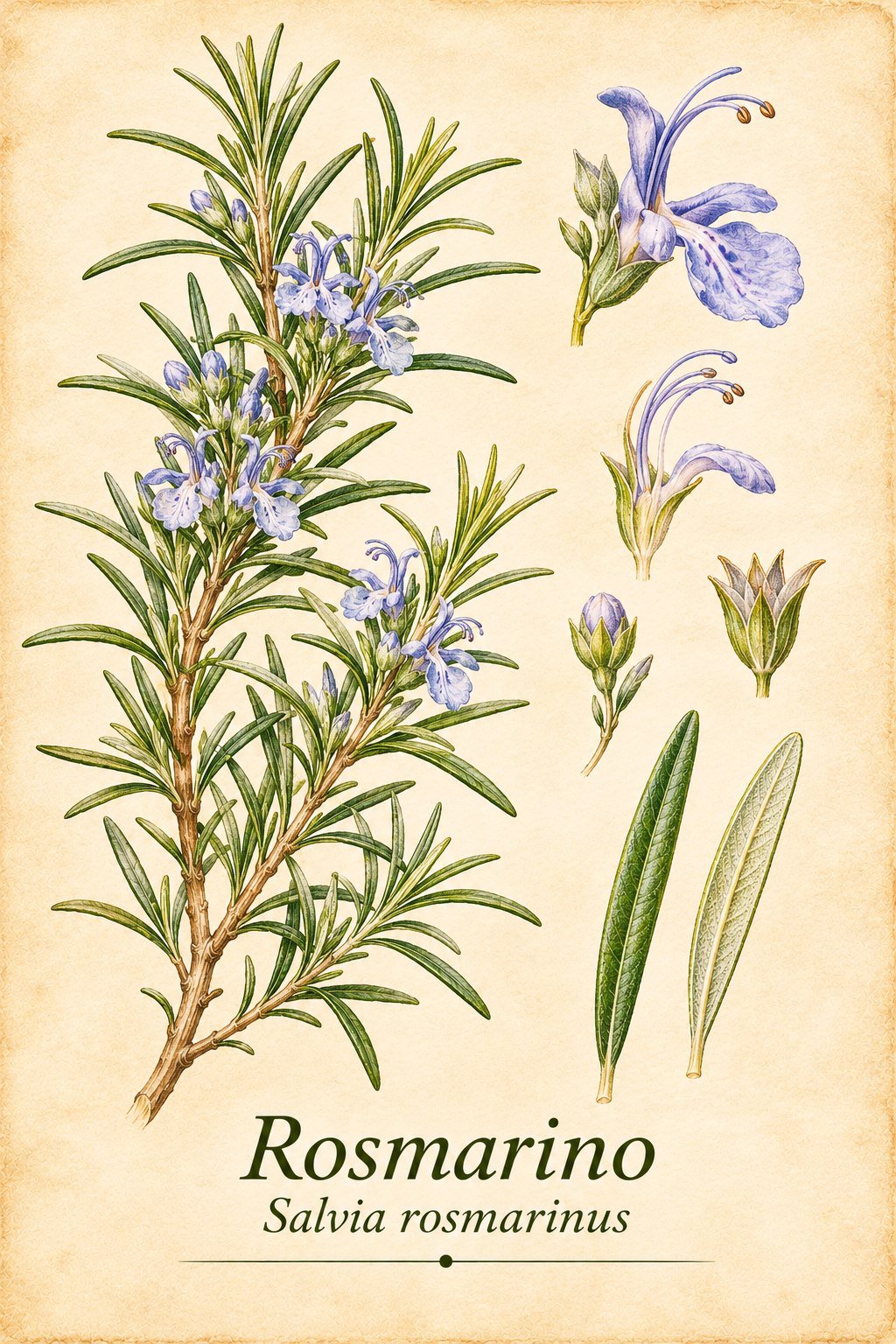
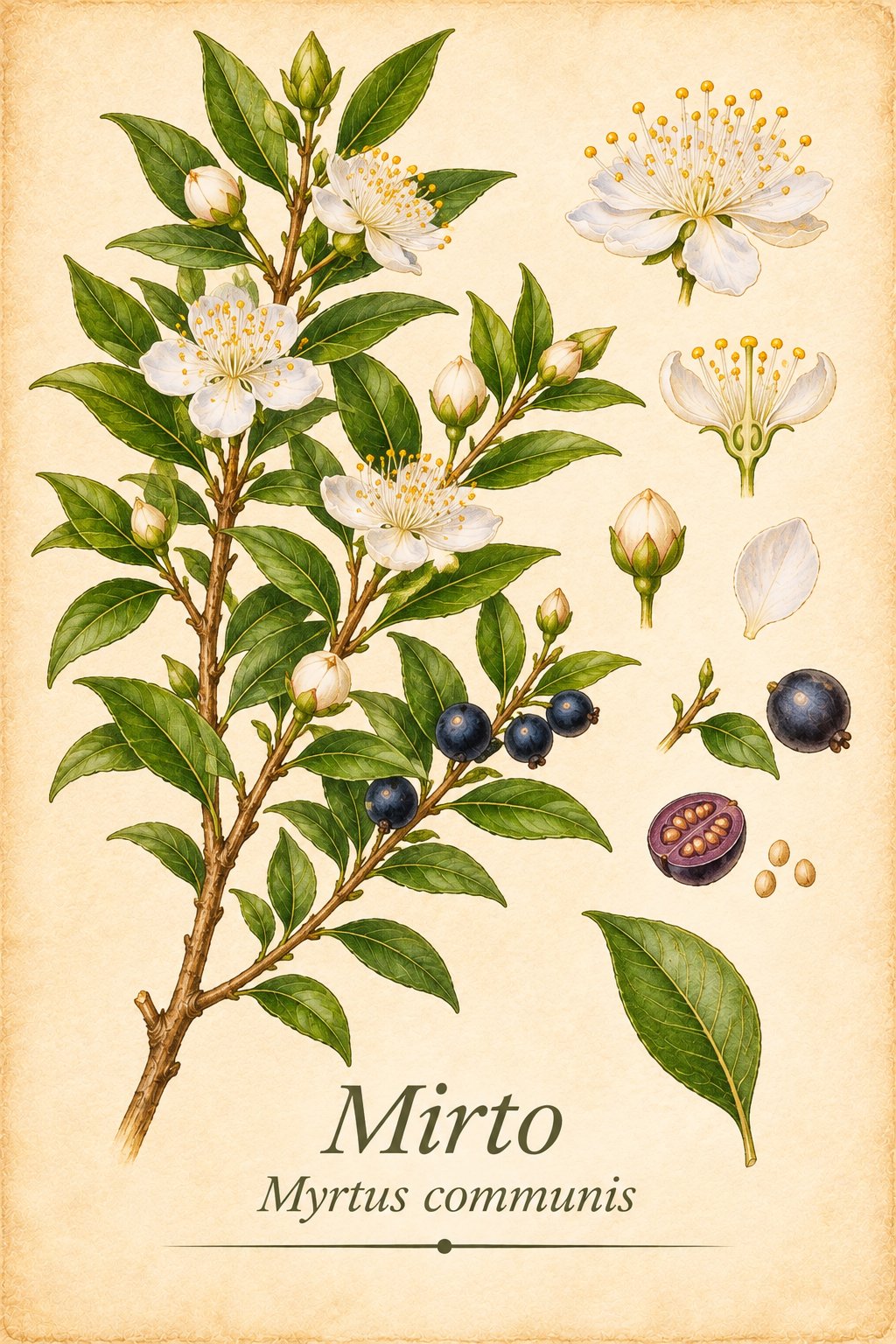
The wind comes in from the sea and passes through the scrub, bringing salt and the scents of rosemary and myrtle.
Light changes the face of the rocks, settles on the leaves, scatters in a thousand reflections across the water. Sand slips through our fingers, while a stone that has lain in the sun still holds the warmth of the day.
In the woods, everything finds a different rhythm.
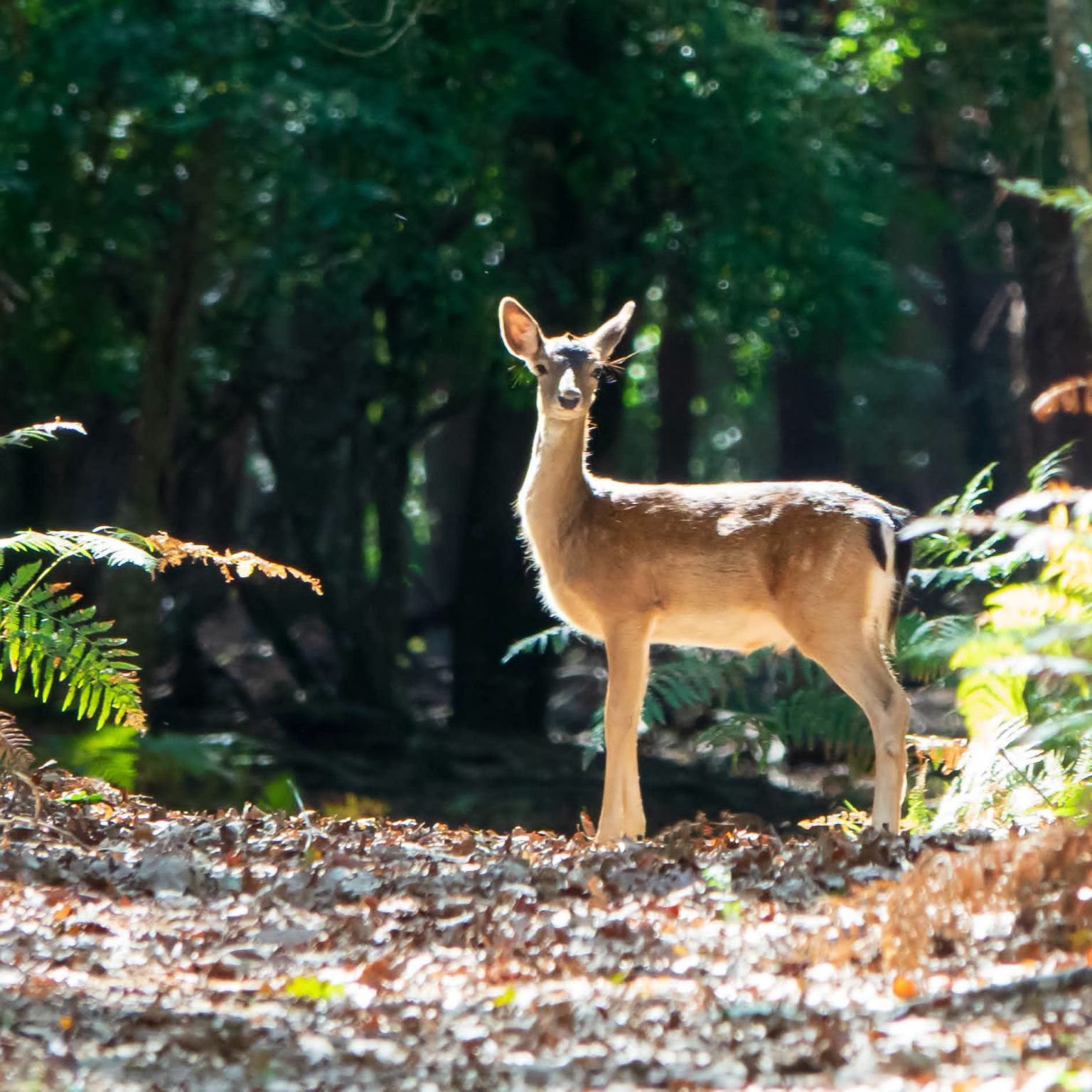
A sudden rustle makes us turn. A fallow deer appears between the trees. It stands still for a moment, watchful, ears pricked. Then, with a light movement, it vanishes into the undergrowth.
We keep looking at the place where it appeared, half expecting to see it again.
Further away, a woodpecker taps against a trunk. The sound carries through the trees, stops, begins again. Above us the treetops sway gently, the leaves rustling as they move.
And then there are the tastes.
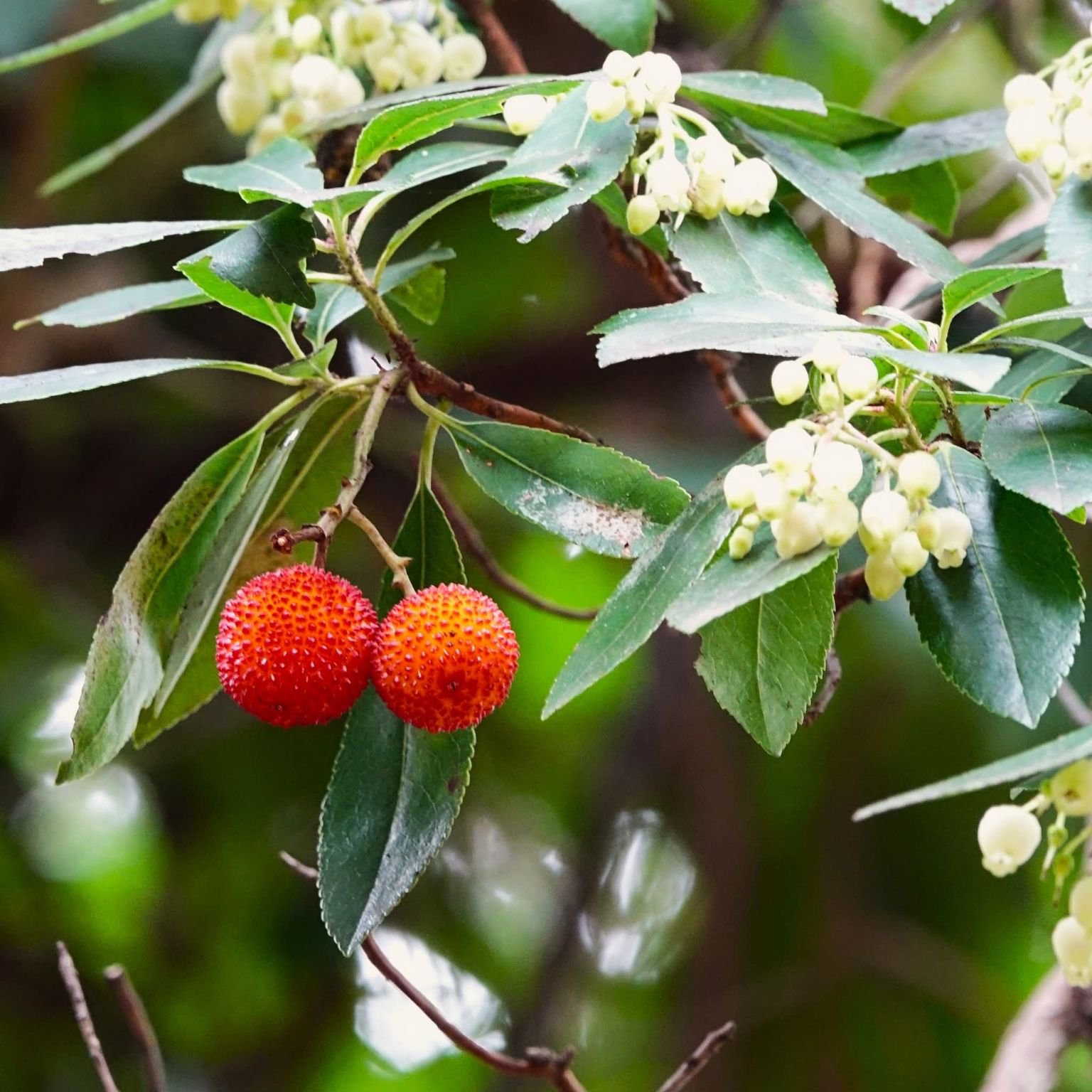
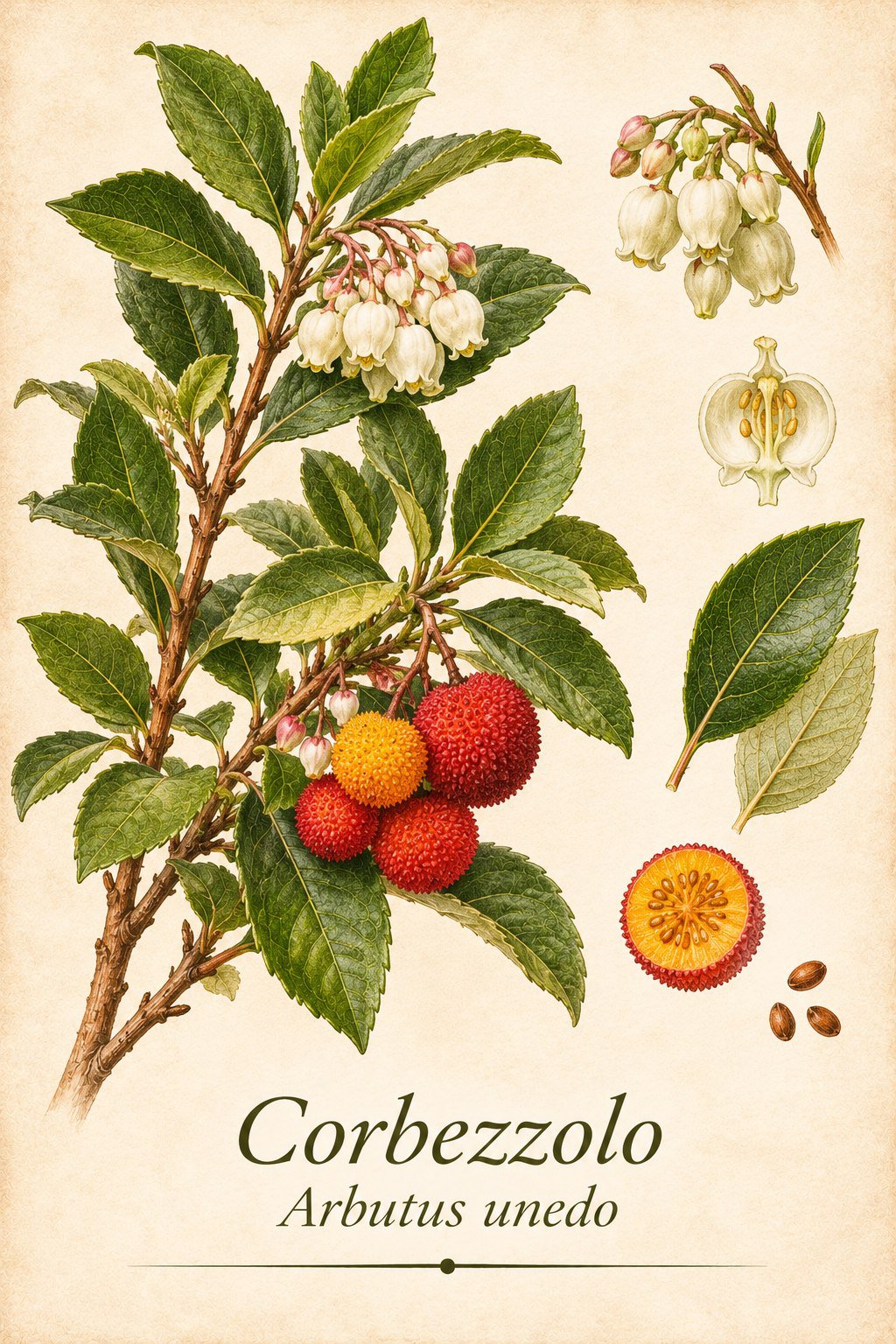
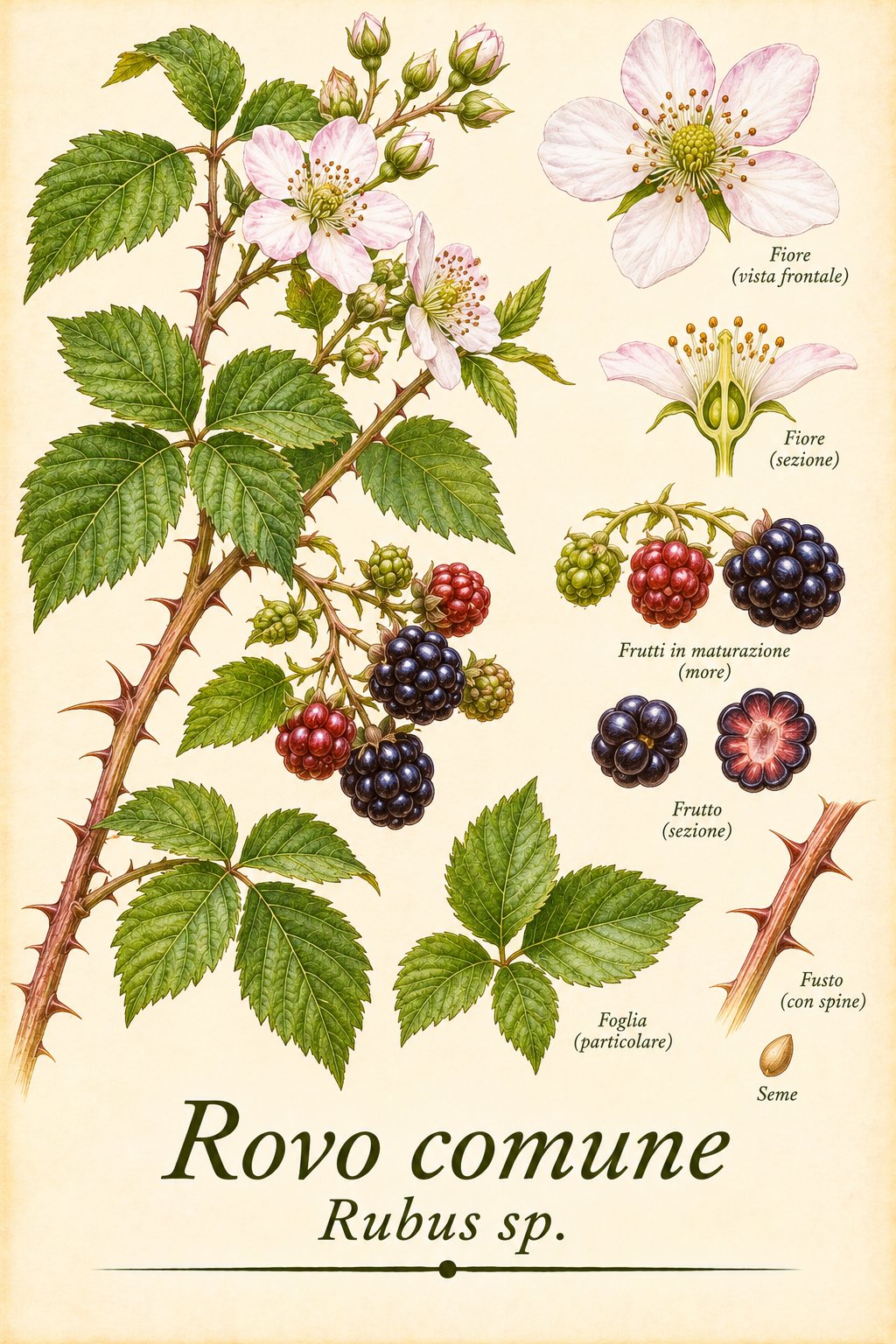
The distinctive sweetness of a ripe strawberry tree fruit, a blackberry picked on a walk, the scent of the forest floor bringing back the flavours and moods of autumn.
These small encounters belong to the life of these places. Each season holds its own. Some are vivid and immediate, others so quiet they reveal themselves only to those who know how to wait.
We begin to notice that wonder can be an ordinary thing. Sometimes it is already there, in a detail that holds our whole attention for a moment.
The Journey Continues
We have felt the warmth of stone, heard the birds call, tasted a fruit and watched the light move across the landscape.
Now we can draw closer to these places, one at a time.
We will follow different paths, from the sunlit side of the headland to the cool of the woods, from dunes shaped by the wind to the still waters of the lakes.
We will look for what makes each landscape recognisable and for those harder things to put into words, the sensations that stay with us long after we have left.
The journey begins here.
Quarto Caldo
The Light, the Rock, the Sea
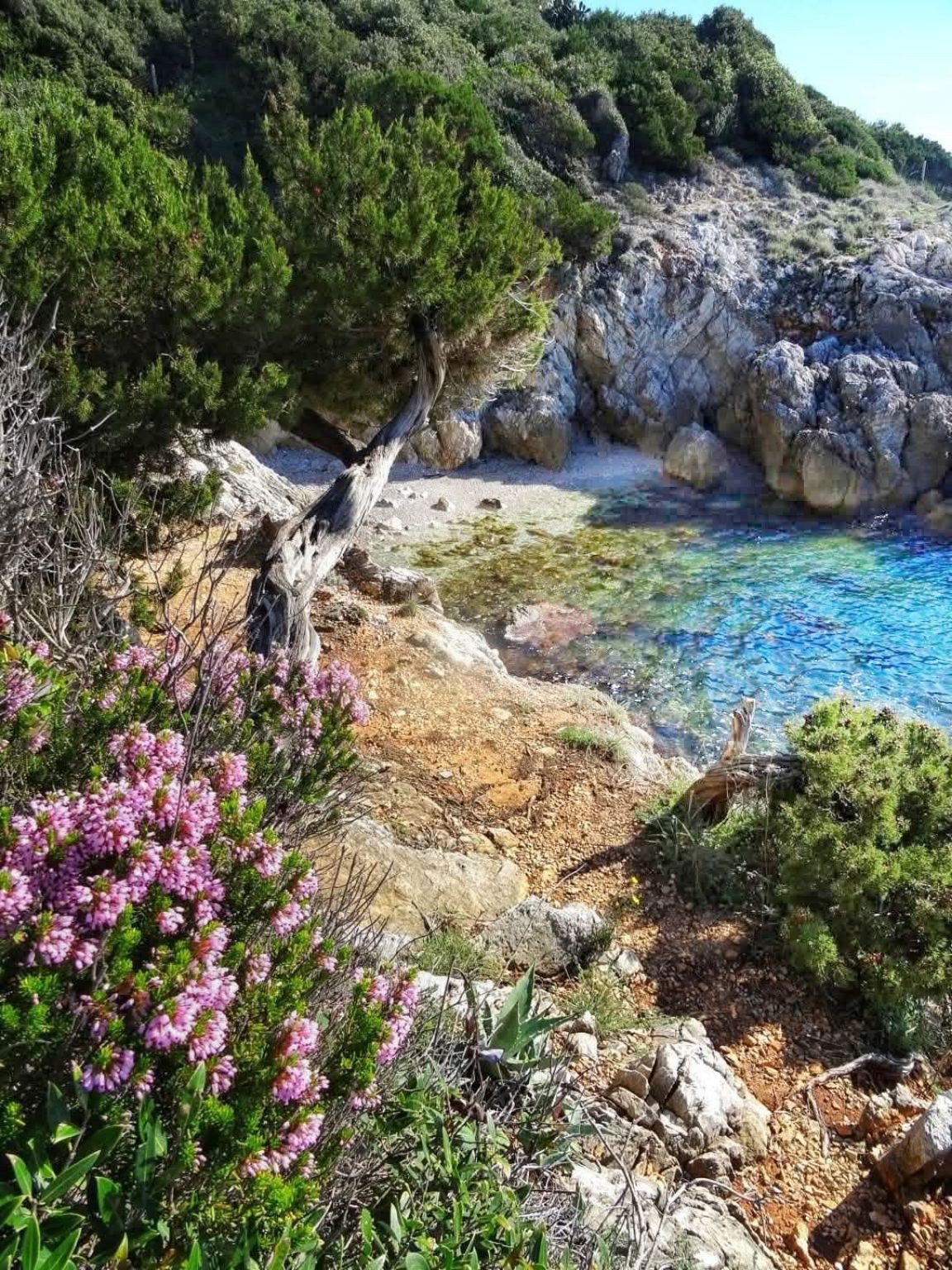
The sea appears between the branches, disappears around a bend, then comes into view again, closer each time.
At Quarto Caldo the landscape reveals itself slowly. We have to walk through it, follow the paths down between scrub and rock, find our balance on the uneven ground.
We tread more carefully. Sometimes we have to stop, find something to steady ourselves, choose where to put a foot. Then we look up, and there again, through the green of the Mediterranean scrub, is that sweep of blue that seems to be calling us.
The sun warms the stone and wakes the scents of the scrub. Rosemary holds fast between the rocks, releasing its sharp fragrance. Myrtle lends a deep green note. The wind carries salt all the way up here. It is their mingling that gives the air its unmistakable character.
Everything has an intensity of its own. The roughness of the rock, the scent of the herbs, the almost dazzling brightness of the water.
As we descend, the sound of the waves grows clearer. Water meets the rocks, draws back and returns, leaving a salty freshness in the air.
Then at last the landscape opens out. Ahead of us lie only the sea and the distant line of the horizon.
We stand for a moment in silence. Our skin still holds the warmth of the walk. With each breath we can still smell the path.
We turn one last time to look back the way we came. Between the rocks, the plants go on growing, indifferent to the effort it took us to get here. And without our knowing it, something of this place has already become part of us.
Quarto Freddo
The Woodland Through the Seasons
A few steps onto the shaded slope and the air changes.
Coolness reaches our skin, light filters through the canopy, and the ground holds the scent of leaves and damp earth.
Quarto Freddo has its shade and silence. It also has its surprises, sudden bursts of colour as the seasons turn.
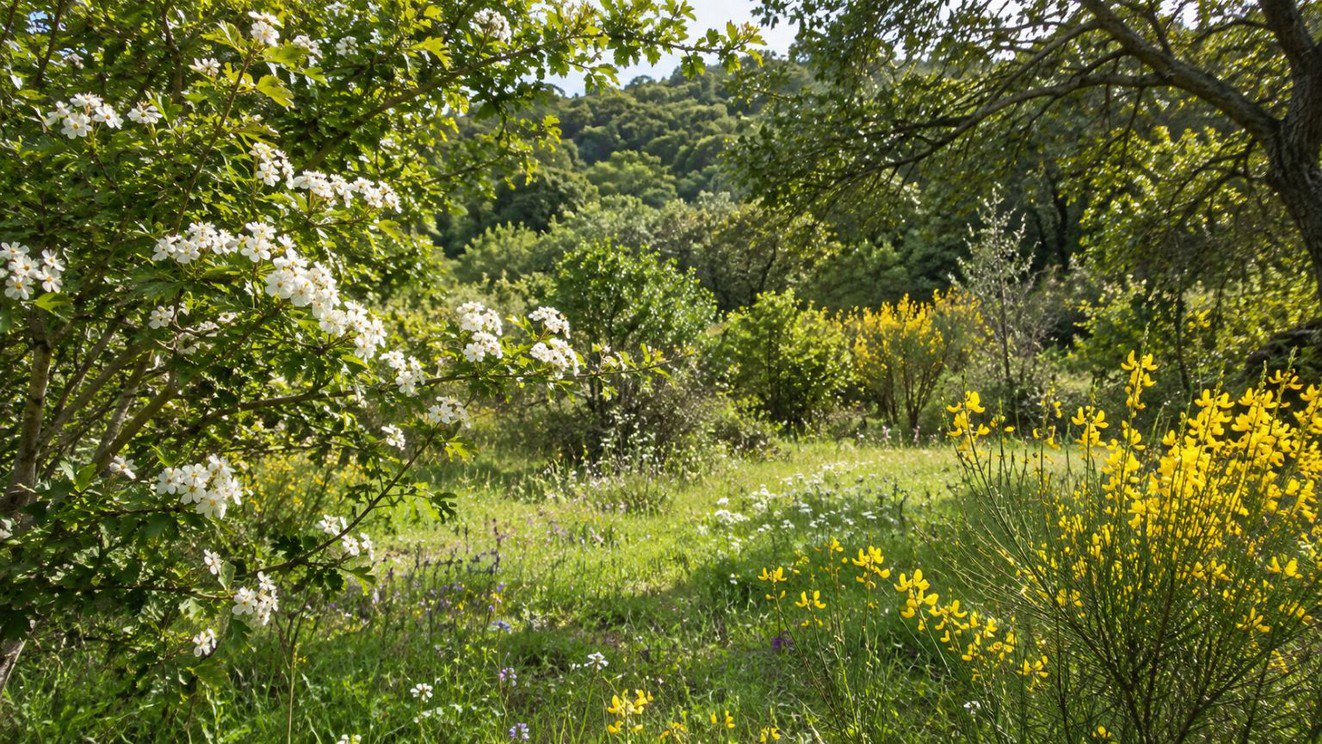
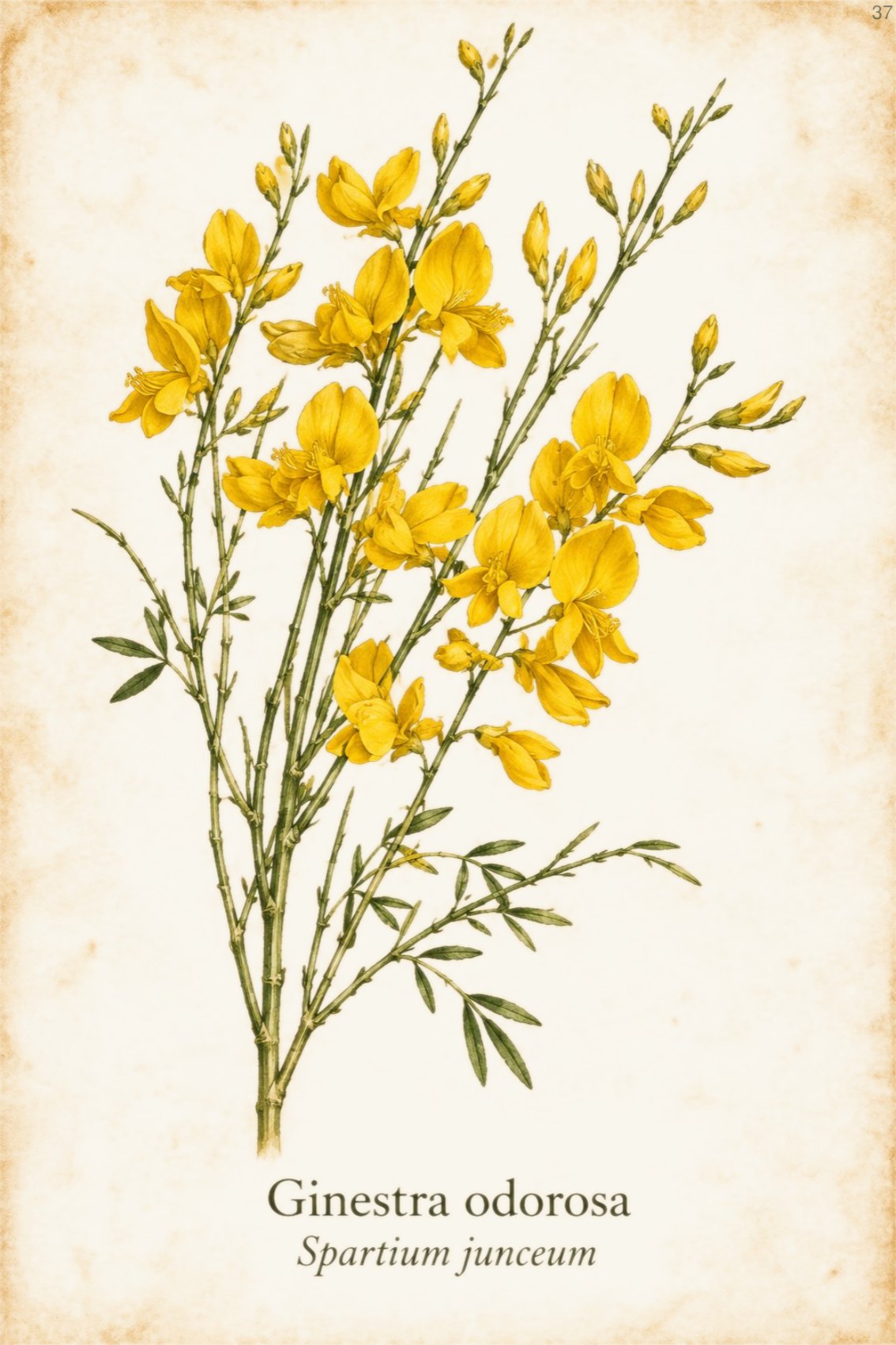
In spring, where the woods open to the light, the broom begins to flower. Its deep yellow lights the clearings, bright against the green. The warm air carries the sweetness of blossom over the cool smell of leaves beneath the trees.
As the warmer days go on, the flowers change. Among the brambles and shrubs, wild roses show their quiet beauty, their delicate petals barely stirred by the wind.
Then, slowly, the landscape changes again.
Autumn brings deeper shades. Red hips appear among the branches of the dog rose, small points of brightness against the fading colours around them.
Beneath the trees, the earth recovers the scent of rain and fallen leaves.
We walk through these changing moods, from the half-light of the woods to the bright clearings, from the cool air to the warmth of the sun.
Quarto Freddo holds all this variety. It changes its face with every season and keeps the quiet coolness by which we know it.
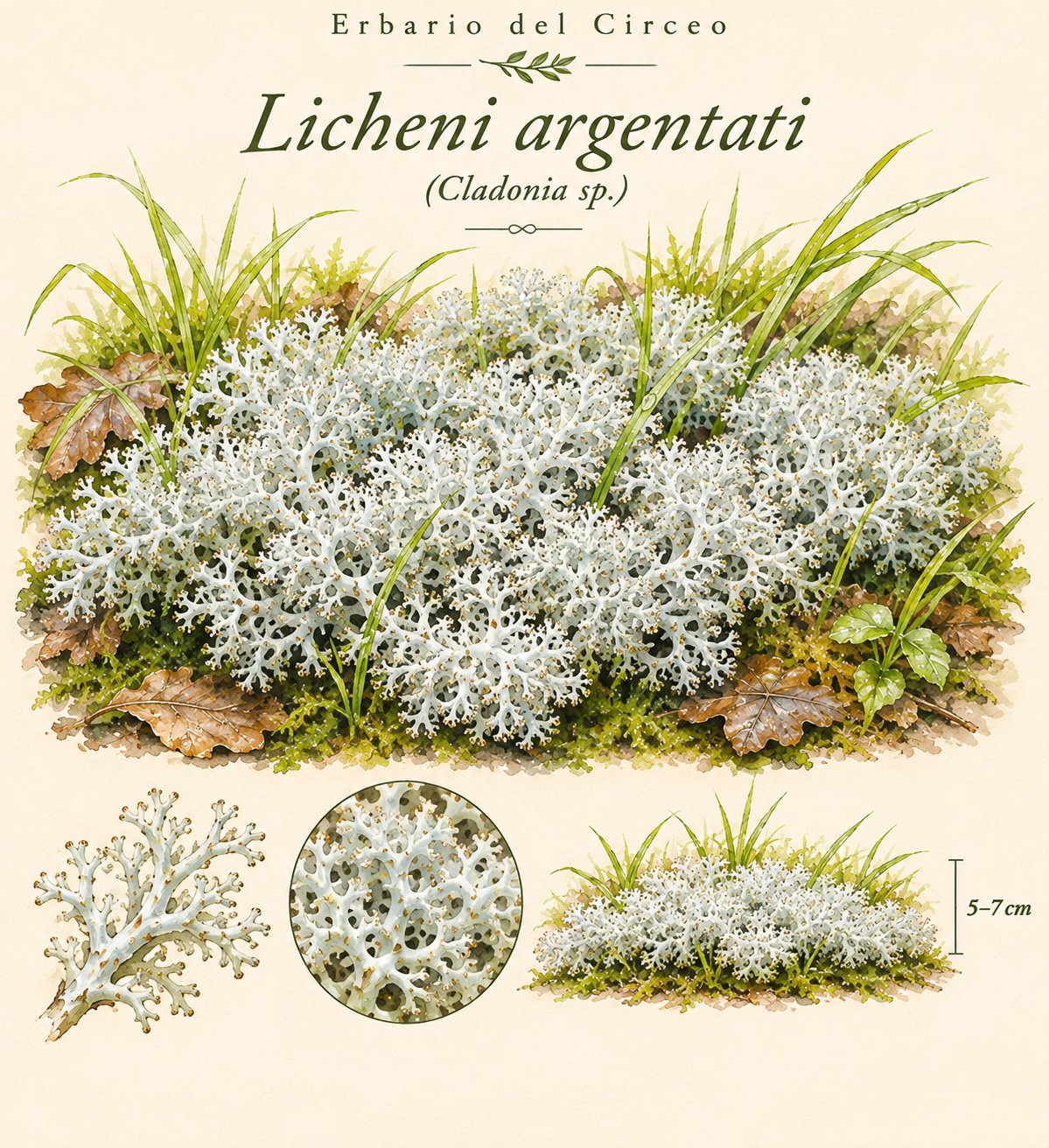
In corners of the undergrowth, the earth keeps small wonders. Fine silver-white threads spread into tiny carpets, like pieces of lace forgotten among the leaves. We have to look down to find them. And when the light reaches them, even the ground seems to glow with a quiet beauty.
Picco di Circe
Where the Eye Meets the Infinite
The climb begins on the Quarto Freddo slope, along a path that leads into the trees.
The hillside is steep enough to ask for a careful, steady pace. Rocks break through the soil, roots cross the path, and sometimes we have to choose exactly where to set a foot.
Above us the canopy filters the light. The woods hold their coolness and in the air we recognise the smell of leaves, earth and plants growing between the stones. We feel the climb in our legs, and the pleasure of being here goes with us at every step.
Every so often, a gap in the branches lets us glimpse the sky and a little of the distance. Then the trees close round the path again.
We go on climbing, listening to the rustle of leaves and the sound of our feet on the rocks. The landscape seems to be keeping its surprise a little longer.
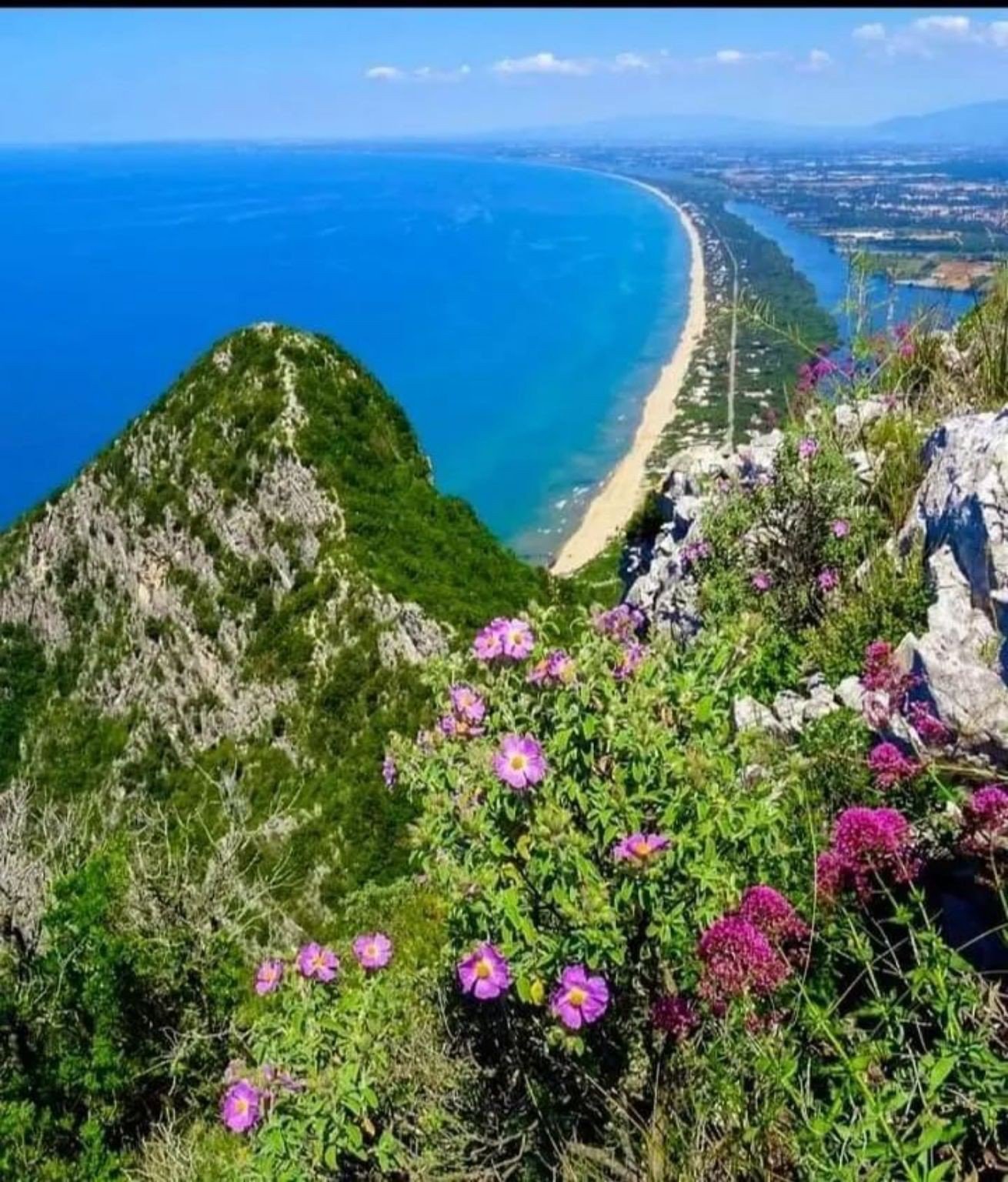
Just below the summit, the light changes at last. The trees give way to the sky and the wind reaches us freely. A few more steps and the view opens wide.
The sea.
An immense brightness stretching to the uncertain edge of the sky. Below, the woodland, lakes and line of dunes make a landscape we can take in at a single glance.
Out in the open, the smells of the path give way to a freshness that has passed over the sea. We stop, catch our breath, let our eyes wander along the coast.
We think back to the rocks, the shade of the trees, the few glimpses we had on the way up. We could hardly have imagined what awaited us just a little higher.
We stay a while longer, without looking for words. Before us, Circeo seems to have no end.
The Dunes
The Wind, the Sand and the Memory of Summer
The sand is still warm underfoot. Each step leaves a faint print, gone with the first breath of wind.
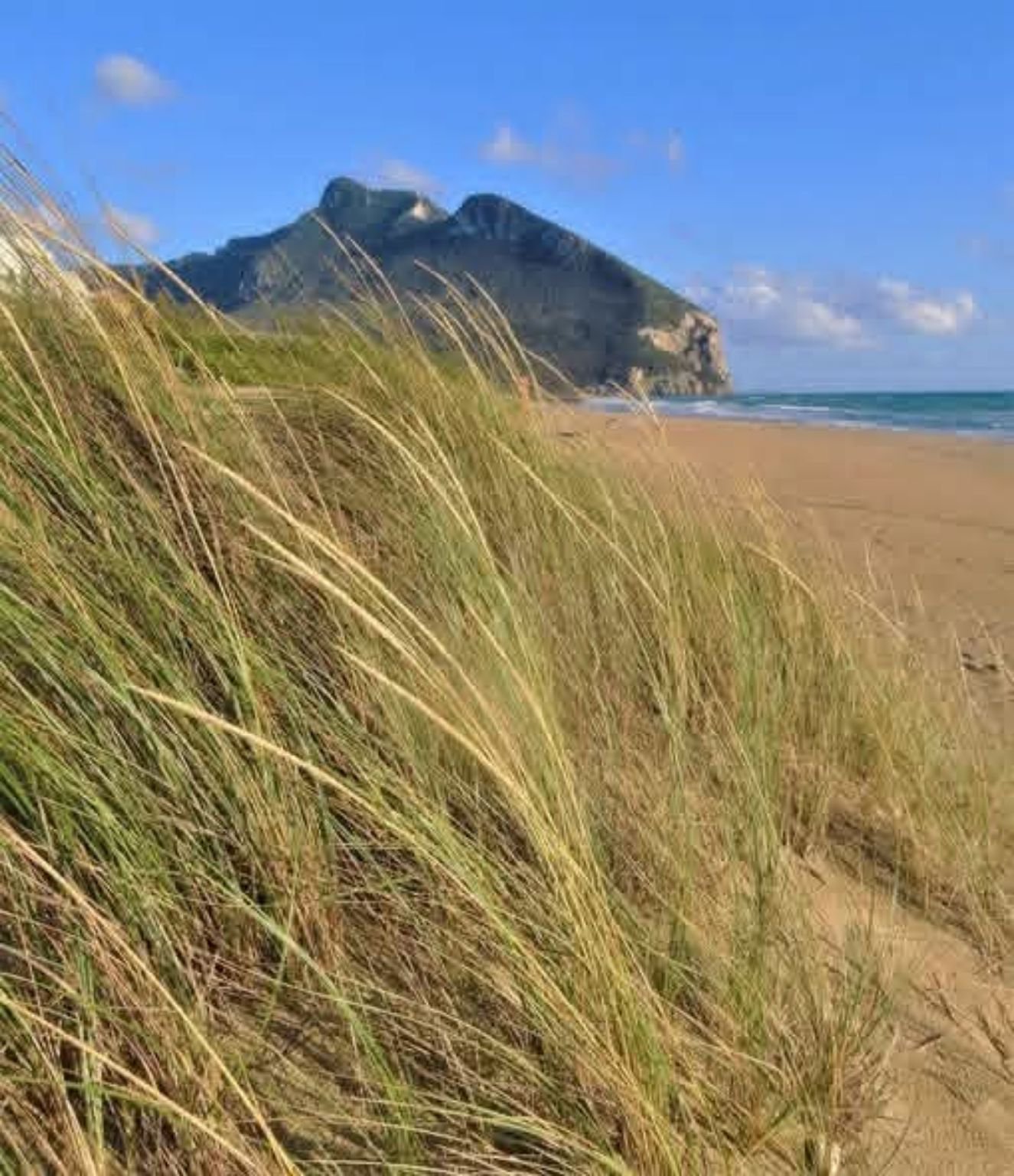
On the dunes of Circeo, the landscape seems alive with small movements. Grasses bend in the breeze, grains of sand slip down the slopes, and nearby the sea accompanies it all with its unceasing voice.
The light has a particular beauty here.
In the morning it draws delicate shadows on the sand. At midday it is intense, almost dazzling. Towards evening, the whole landscape seems to change.
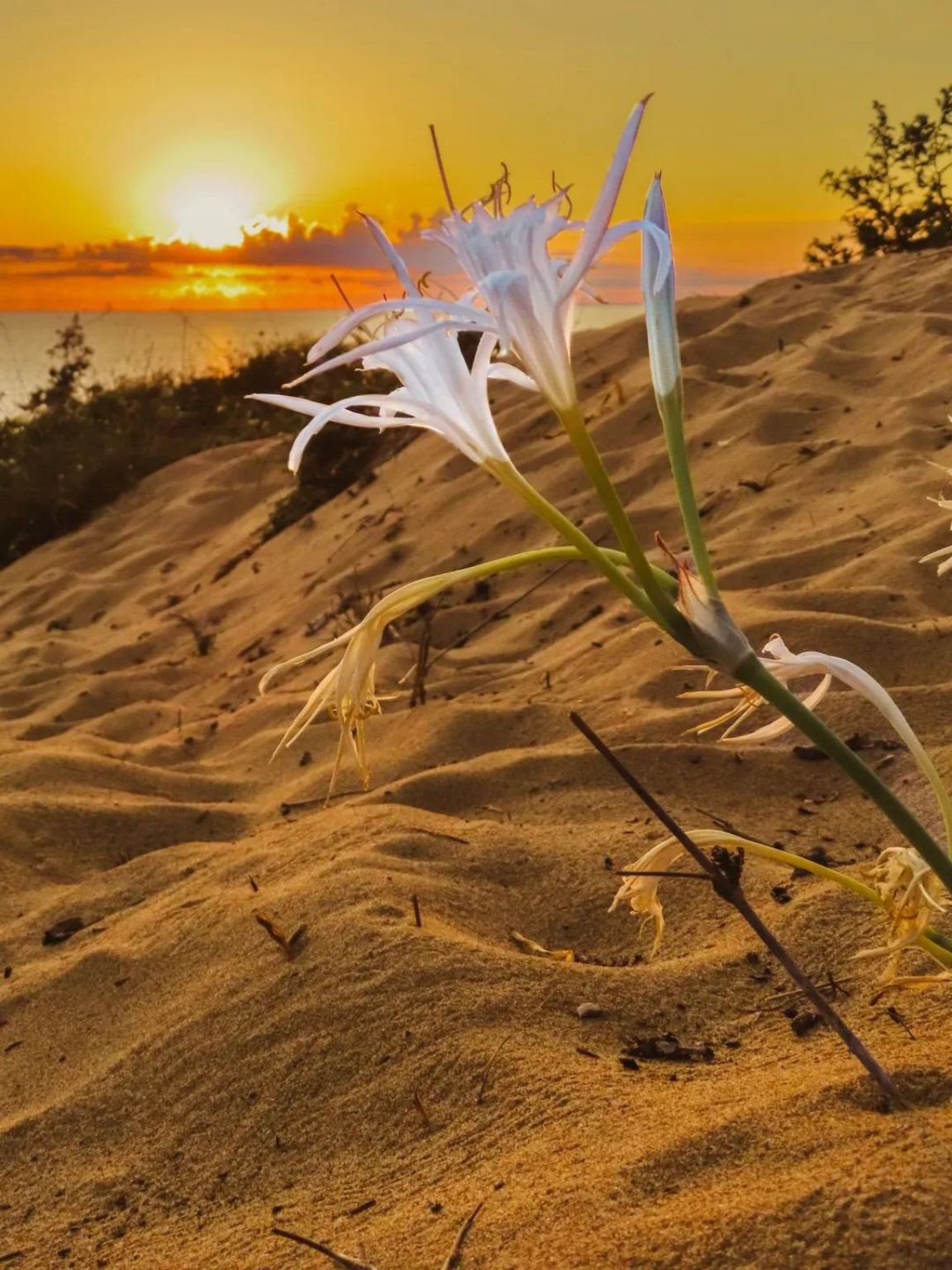
The sun sinks slowly, the colours grow warmer, and the dunes light up in shades of gold. The sand gathers the last of the light as the sky begins to turn pink.
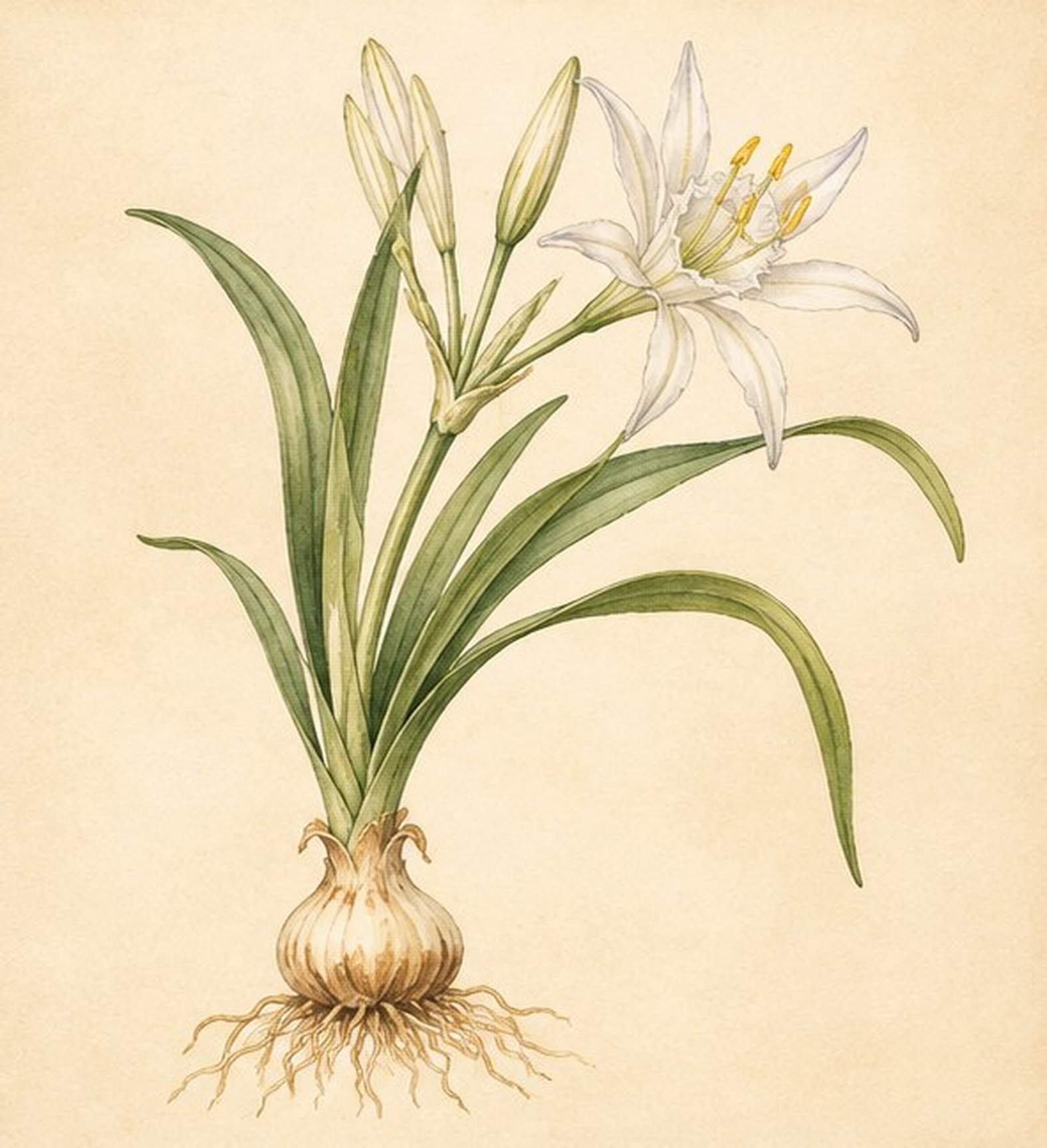
Among the plants that withstand salt and wind grows the sea daffodil.
Its white flowers open with a surprising grace, as if they were too delicate for so exposed a place. Yet here, between sand and sea, is where this plant makes its home.
We come closer to look at the slender petals, their lightness, their simple, unexpected beauty. All around them the grasses and leaves go on moving gently.
Faint scents of the coastal plants rise in the salty air. At certain hours the sea daffodil, too, gives out its sweet fragrance. A trace of salt stays on our lips, and the sand, still warm, slips through our fingers.
These are familiar sensations, able to carry us suddenly back in time. A summer afternoon, running on the beach, listening to the waves with our eyes closed, days that seemed to go on forever.
Perhaps we no longer remember just when it was, or who was there with us. But that light, that scent, that feeling of freedom have stayed somewhere inside us.
The sun sinks lower. Shadows lengthen on the sand, the wind softens our footprints, and the sea takes on the colours of evening.
We walk away slowly, carrying something that feels like longing and still holds all the sweetness of summer.
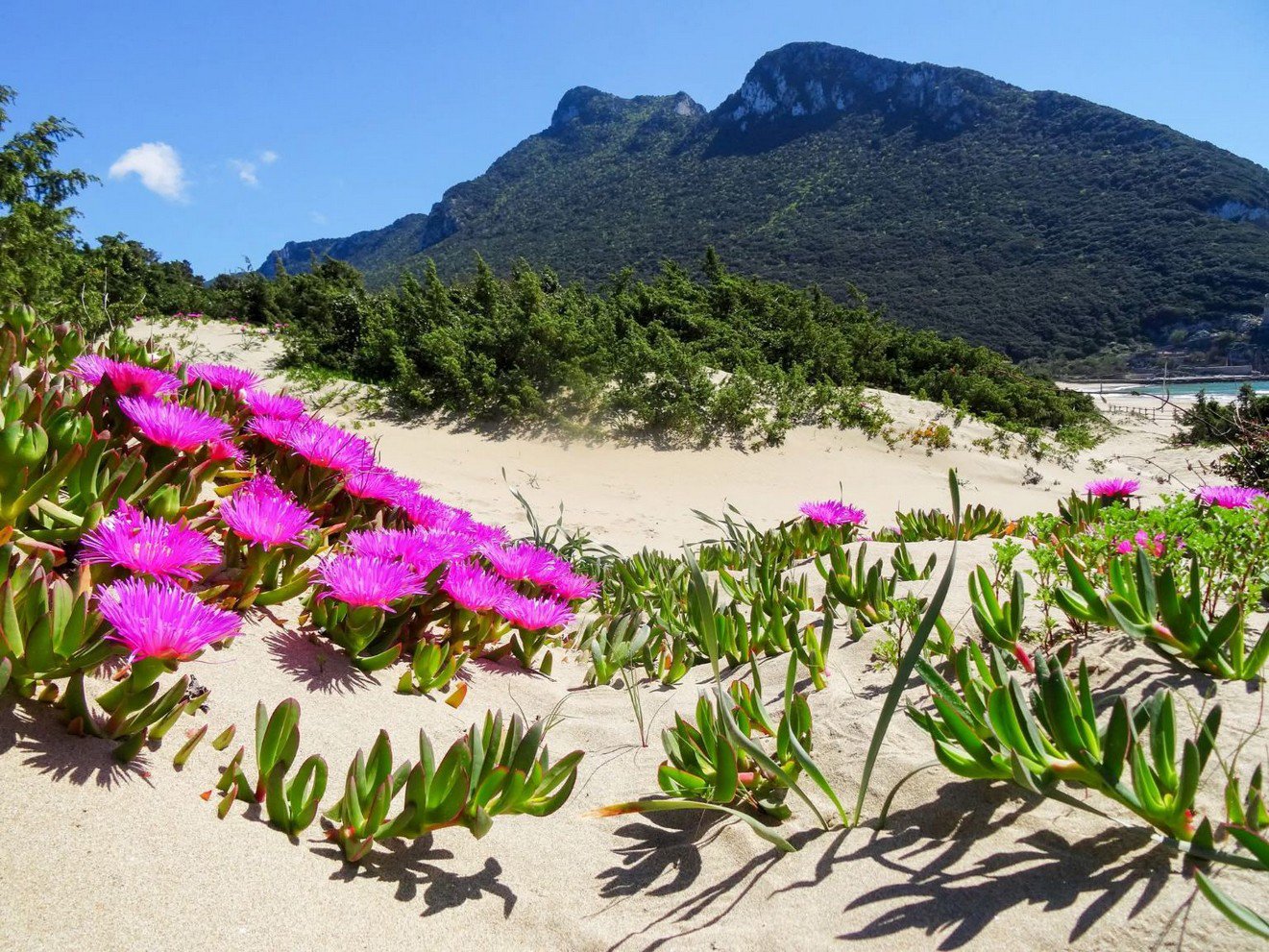
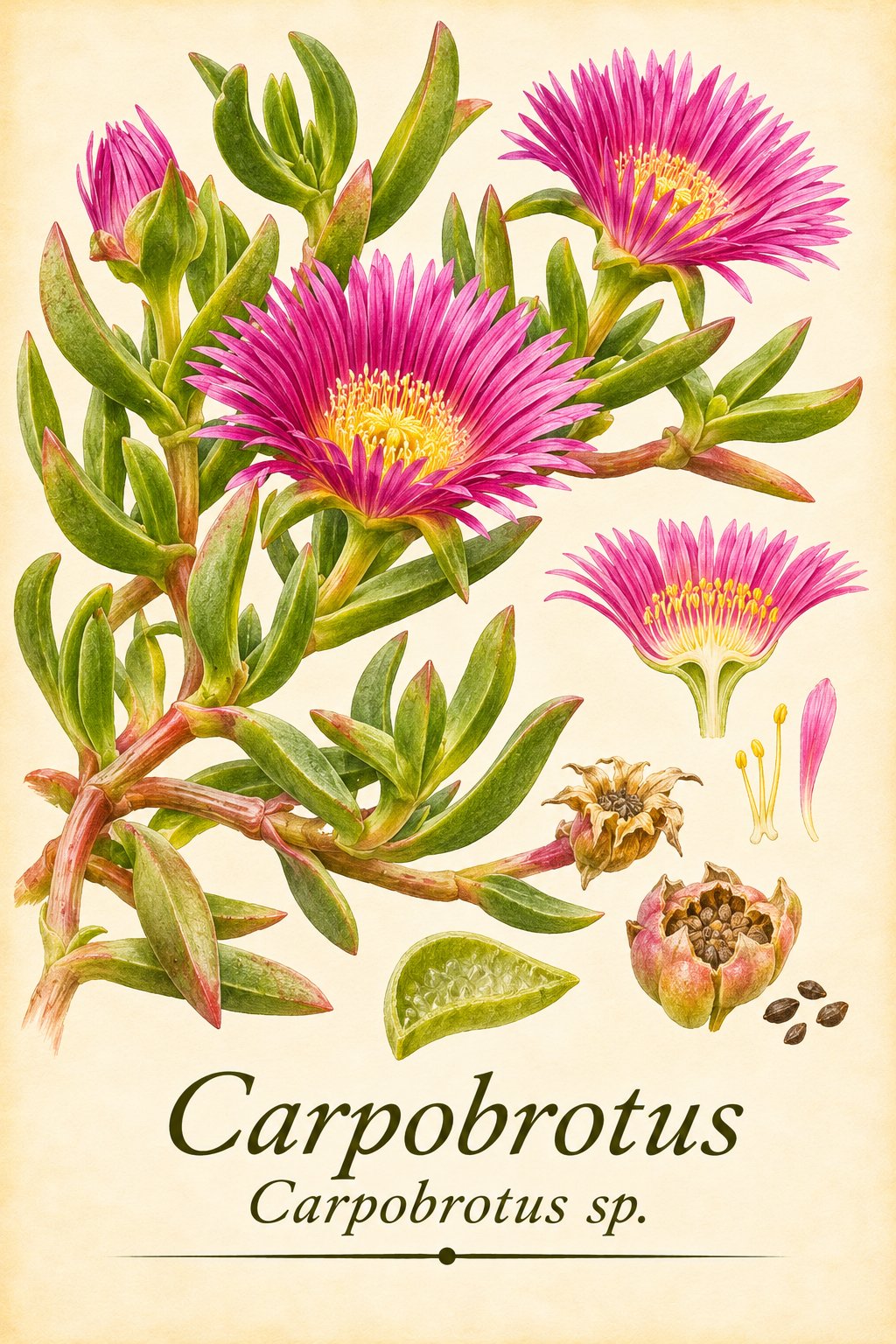
Along stretches of the coast, Carpobrotus spreads its fleshy leaves across the sand, dotted with vivid fuchsia flowers. Sudden patches of colour, like bright brushstrokes across the golden dunes.
Selvapiana
The Woodland of Small Wonders
The path leads into the trees, following the gentle contours of the ground. The way is more level here than among the rocks of Quarto Caldo. We can walk without hurry and let the small things draw our eyes.
Moss makes little green landscapes on the trunks. Ferns grow among the roots, their light fronds open like fans. A web strung between two branches holds drops of dew. In the light it looks like silver embroidery.
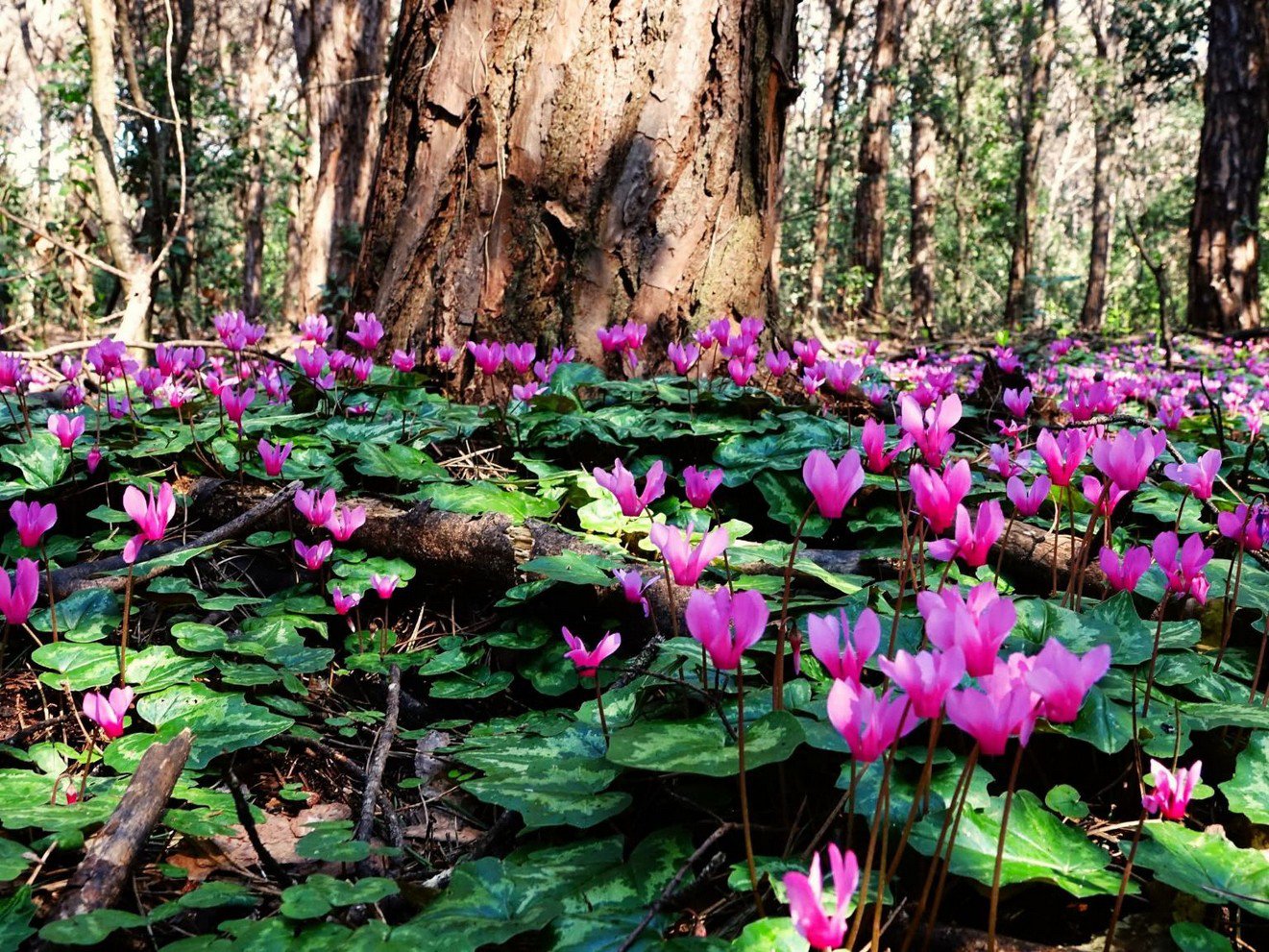
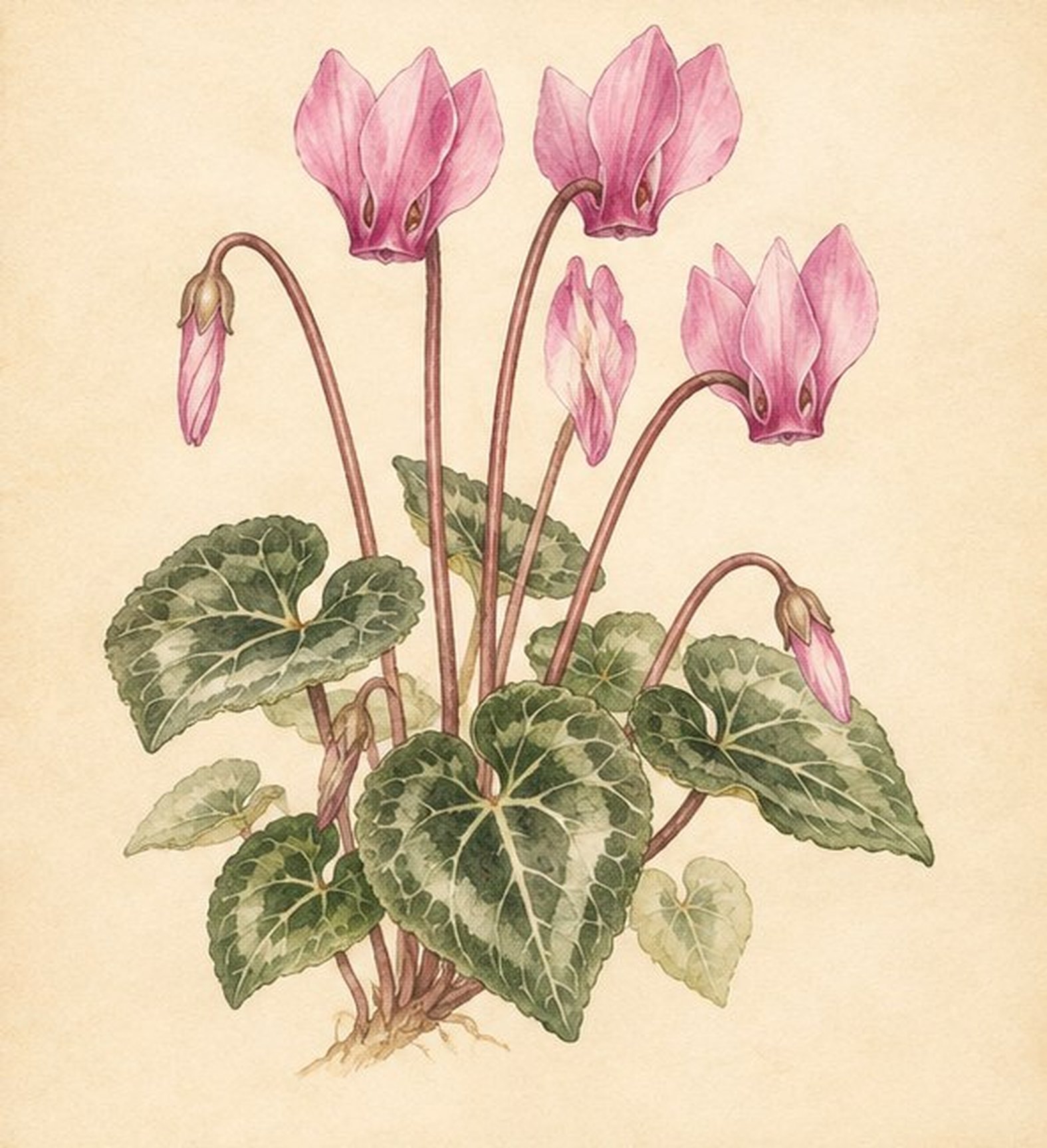
Then, in their season, come the cyclamens. Small pink flowers open among the leaves on the ground, but it is their scent that surprises us before we even see their colour.
Rich, penetrating, wonderfully enveloping, it mingles with the smell of leaves and damp earth. The whole woodland seems to breathe with its flowers. We walk in that fragrance and could recognise the place with our eyes closed.
Who knows whether Circe walked among these trees? We like to imagine her recognising the scents of the plants, letting the fragrance of the undergrowth lead her on. Here, nature and legend seem almost close enough to touch.
We walk on. Little by little, a hint of salt enters the cool air. Between the trees we catch a reflection. From the water comes the call of a bird.
The lake is near. We cannot see it fully yet, but we can already feel it there. Behind us lingers the scent of cyclamens. Ahead, another landscape is beginning to make itself known.
Lago di Paola
The Thousand Faces of Water
The lake appears between the trees and reeds, spread out beneath the sky.
After the half-light of the woods, the eye finds brightness and open space again. The air carries a slight saltiness and the scents of the plants along the shore. We sense the lake with every breath.
Lago di Paola never shows itself the same way twice.
On summer days, when the sun is high, the water lights up with blue and silver reflections. A light breeze ripples the surface, while the green of the shore mirrors itself in the lake.
Then autumn comes. The light softens, the colours deepen. The sky reflects in shifting shades, now green, now blue-grey, as if the lake held within it every small change of the season.
In winter the landscape takes on another character. Low clouds stretch across the surface and the wind lifts small waves. The water can turn dark, almost ink-black, and then a break in the clouds sends a sudden streak of light across it.
After rain, the earth along the shore gives off a deeper scent. Tiny circles form on the surface. They begin side by side, widen, meet and disappear, while new drops go on drawing ever-changing shapes on the water.
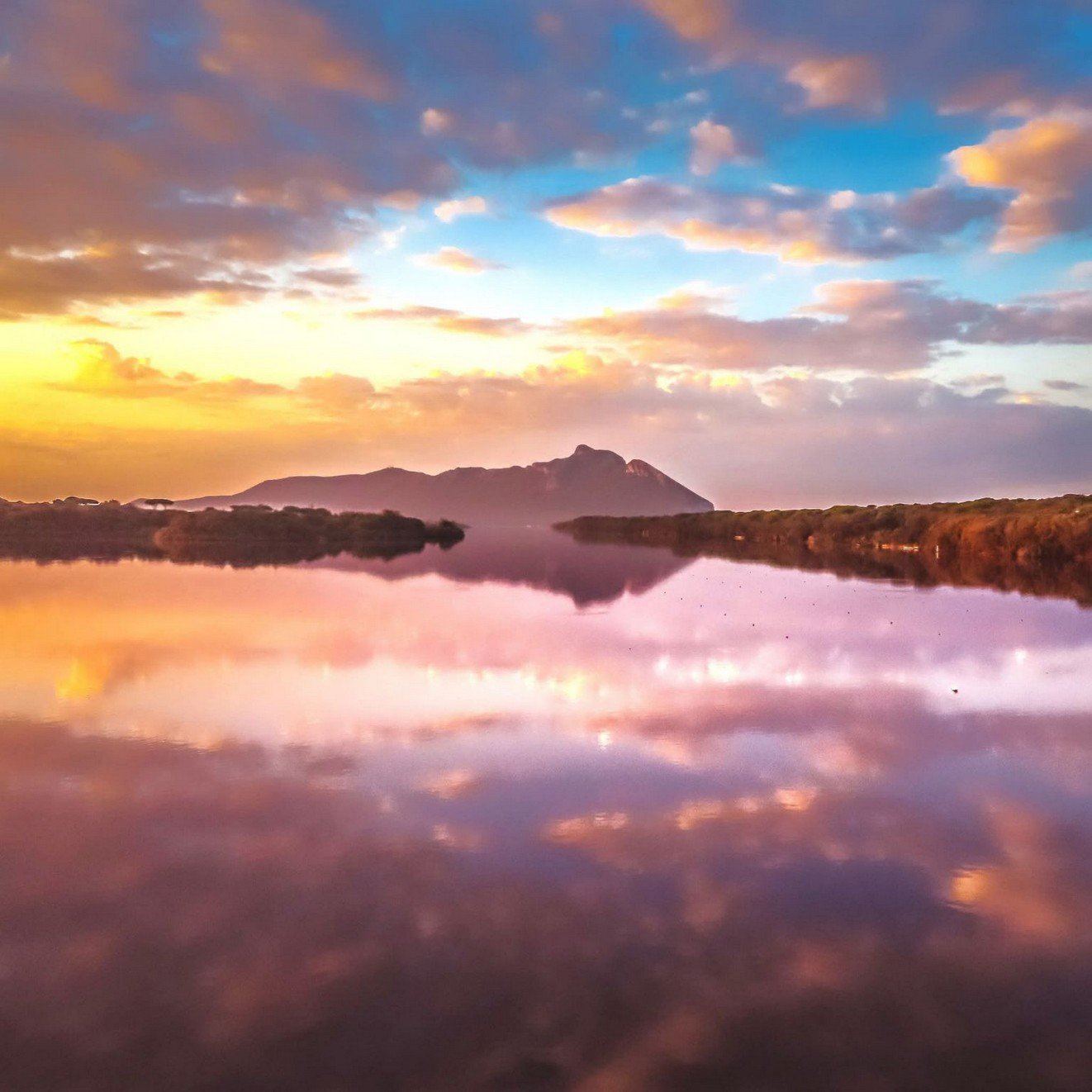
Towards evening, Lago di Paola offers one of its most haunting sights.
The wind eases, the light turns golden, and the outline of the headland begins to appear in the water. For a moment there seems to be a second Circeo, upside down in the lake.
The rocks, the slopes, the familiar lines of the mountain become a silent image, clear enough to look real. Then a small ripple crosses the lake.
The reflected headland trembles, breaks into a thousand fragments and slowly comes together again.
We stay and watch this play of water and light as day gives way to evening.
Perhaps that is the charm of Lago di Paola. We can know every stretch of its shore, recognise its outline and return countless times. There will always be a different light waiting for us.
Fogliano
A Place of Encounters and Departures
A beat of wings breaks the quiet.
Above the water, a flock suddenly changes direction. For an instant the birds seem to move as one. Then they spread across the sky, drawing shapes that dissolve before our eyes can follow them.
Quiet journeys pass through the landscape at Fogliano. The wetland air carries the smell of reed beds, water and earth along the shore. These are vivid scents, different from those of the woods and the Mediterranean scrub.
The birds come from far away, rest along the banks and find shelter in the shallows and vegetation. Some stay. Others set out again along invisible routes over land and sea.
Something moves among the rushes and reeds. A call comes from the far bank, then another, like a conversation in which we can catch only a word or two.
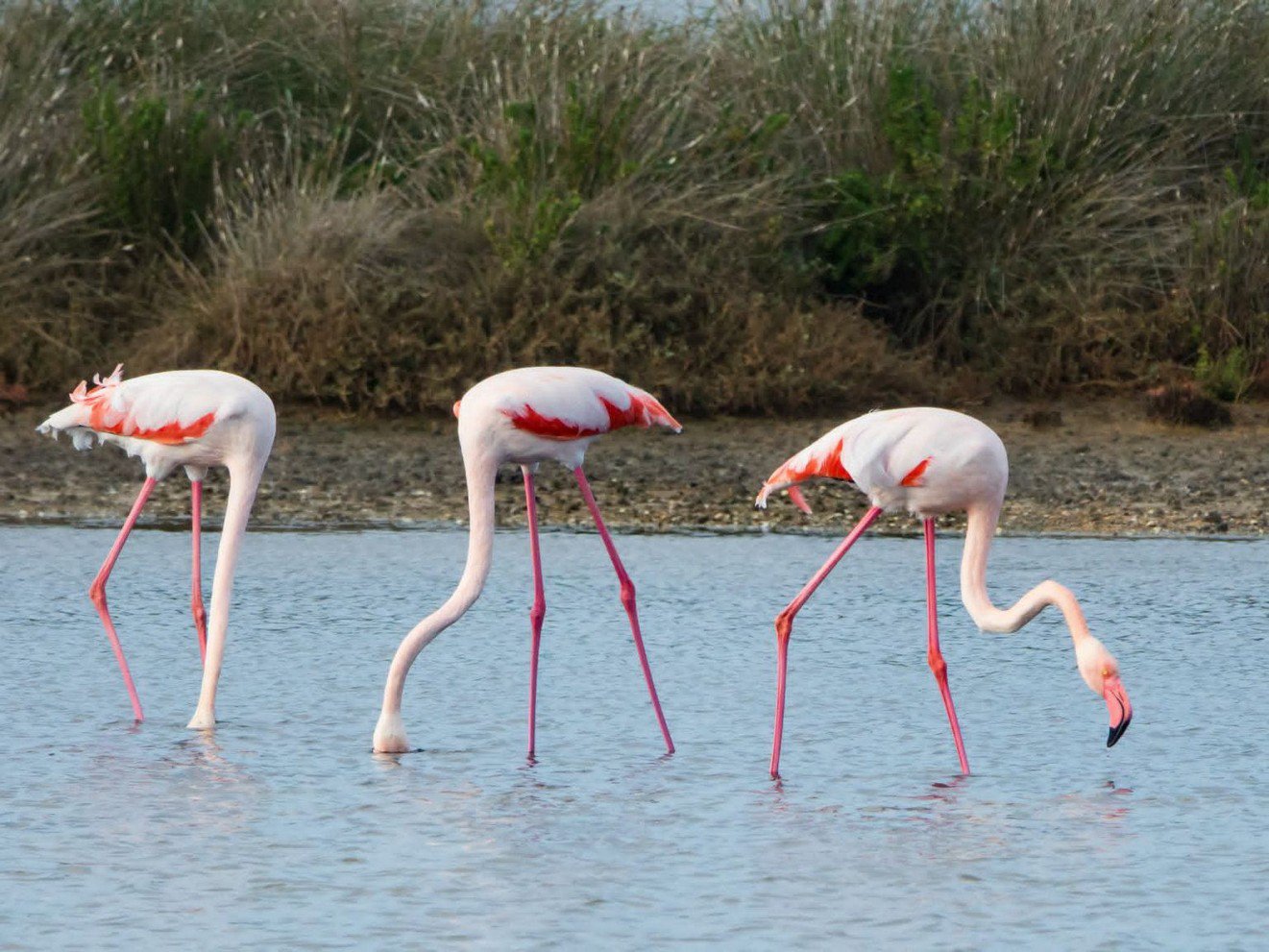
Then, sometimes, the flamingos appear.
They wade slowly through the shallows, on slender legs, their necks gracefully curved. They dip their bills to feed, and when they open their wings the deep pink of their feathers lights up the landscape for an instant.
We stand watching, drawn to the measured movements and the singular presence of the birds in the still water.
Nearby, the village tells another story. The old buildings, the trees and the botanical garden keep traces of the people who lived in these places and shaped them over time.
Here, nature and memory seem remarkably at ease together.
We walk on along the shore. The sky reflects in the water, the reeds barely sway, and suddenly another flock takes flight.
The birds climb, draw together, change direction and grow smaller and smaller until they merge with the horizon.
For a moment we still look for them. Then we lower our eyes. On the water there is only the reflection of the sky and the light movement of the plants.
The landscape seems as it was before, yet something has changed. Perhaps because some encounters, even those that last only as long as a beat of wings, can leave an unexpected trace in us.
And as we walk away, we carry the memory of those flights, the colours of the water and that quiet beauty that asks for no attention.

Photography Acknowledgements
My special thanks to photographer Assunta Tognoni, who generously allowed me to include some of her beautiful photographs in these pages.
Through her lens, Assunta has a rare gift for catching the poetry of nature. It hides in a detail, in an unexpected meeting of light, in the quiet conversation between the landscape and what it makes us feel.
Her photographs convey the atmosphere of a place, its character and the more intimate beauty a hurried glance often misses.
They accompany this journey with honesty and delicacy, offering the reader another way to meet Circeo and feel its presence.
I am truly grateful to her for sharing her art and the sensitivity with which she sees the world.
The Circeo Herbarium
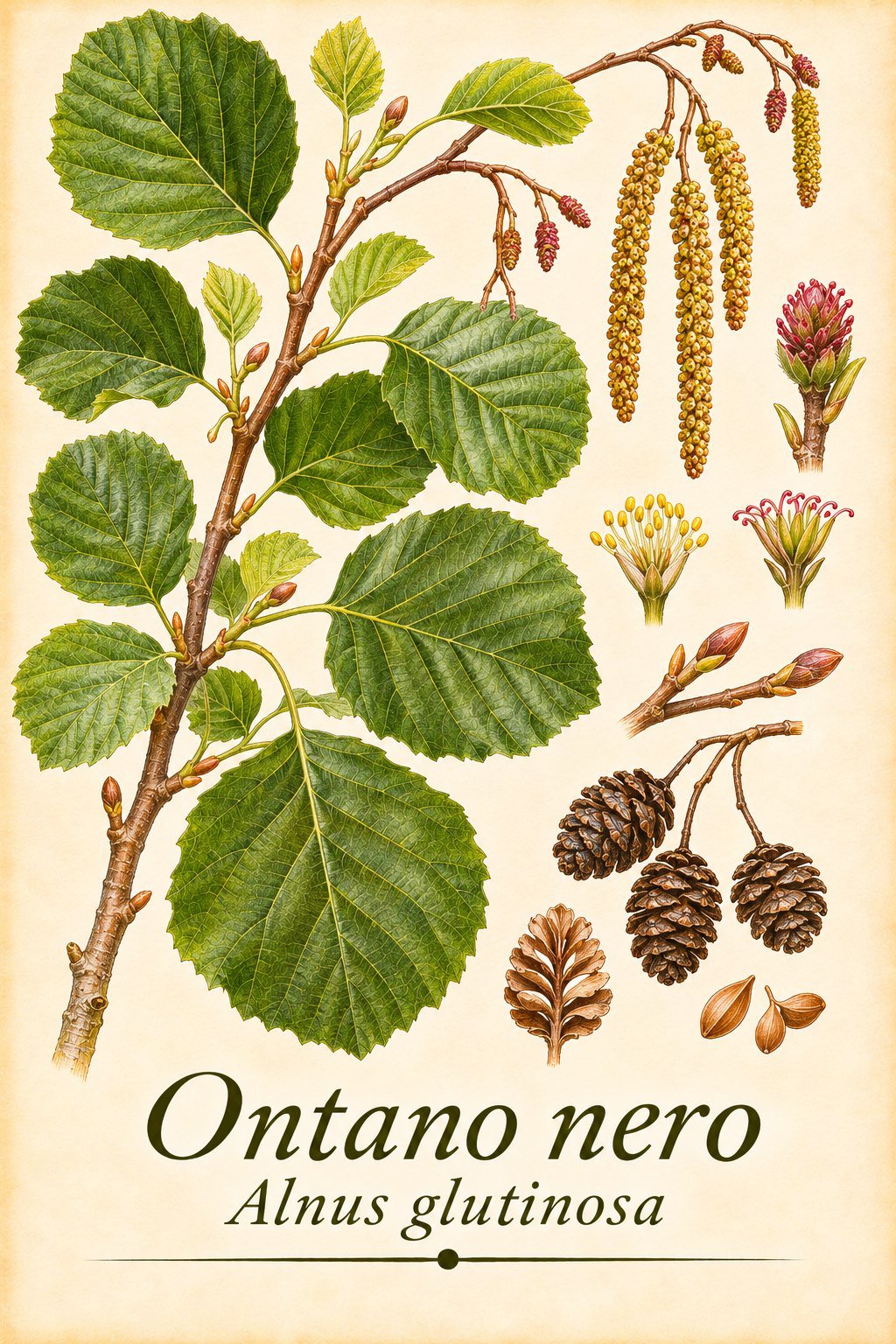
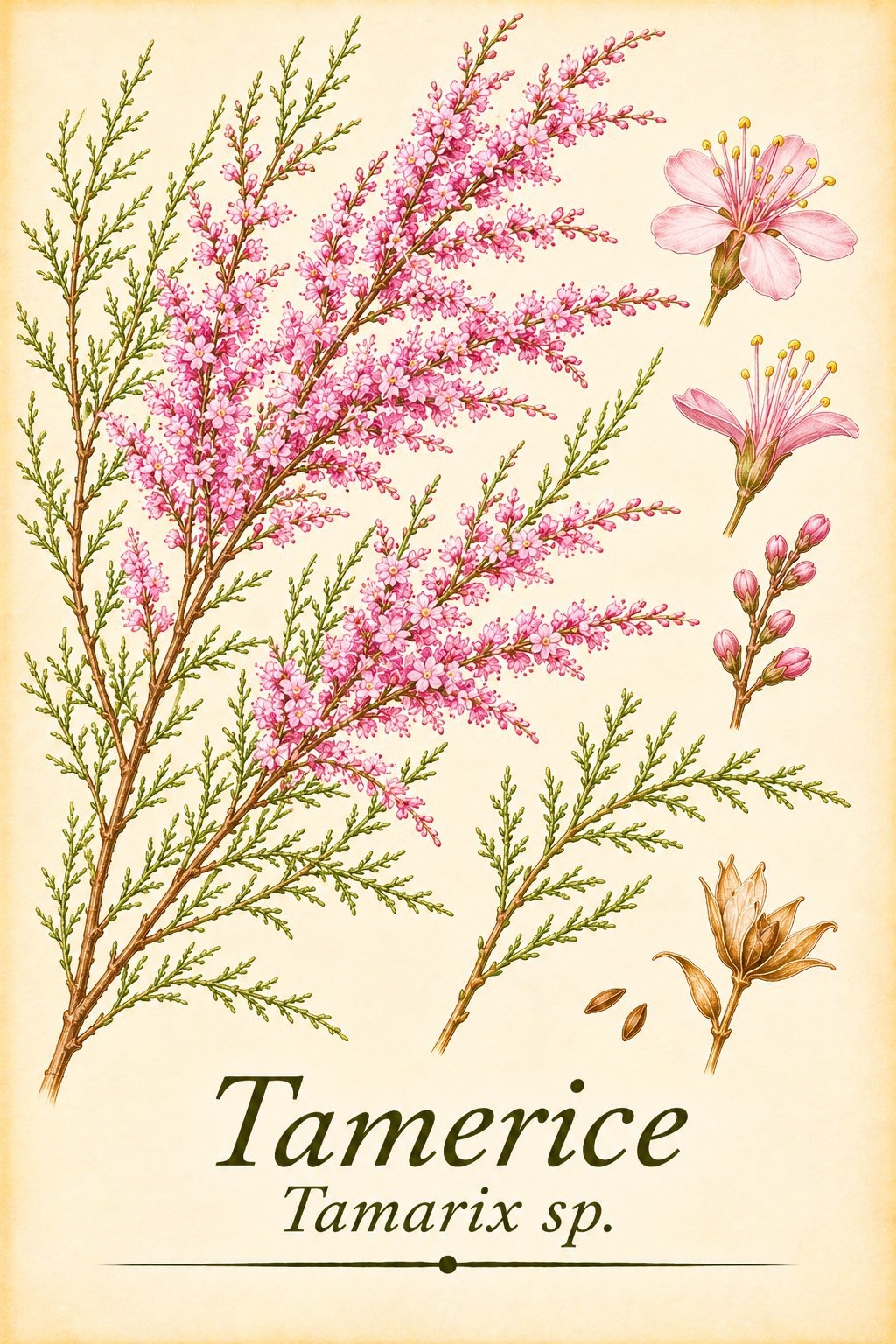
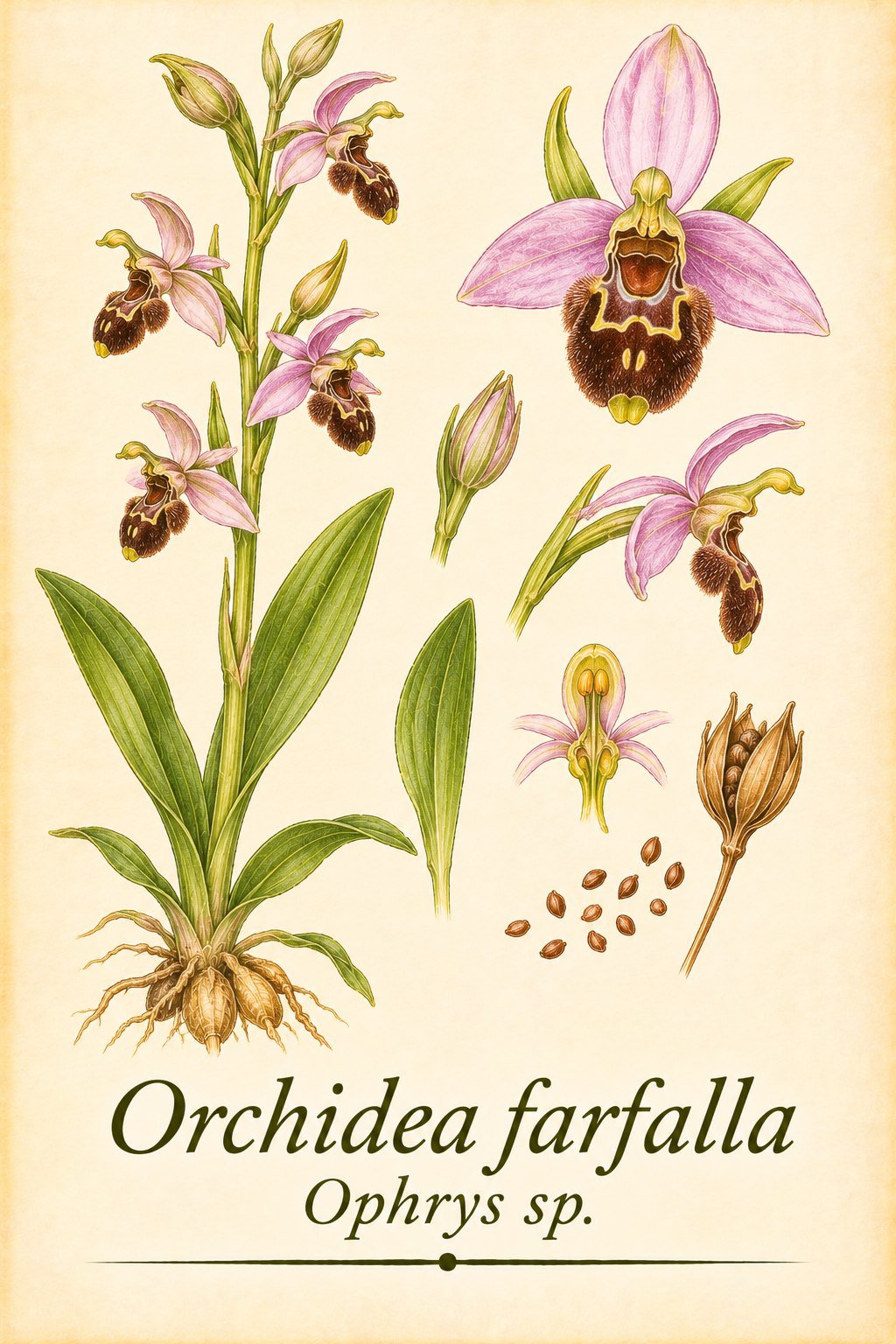
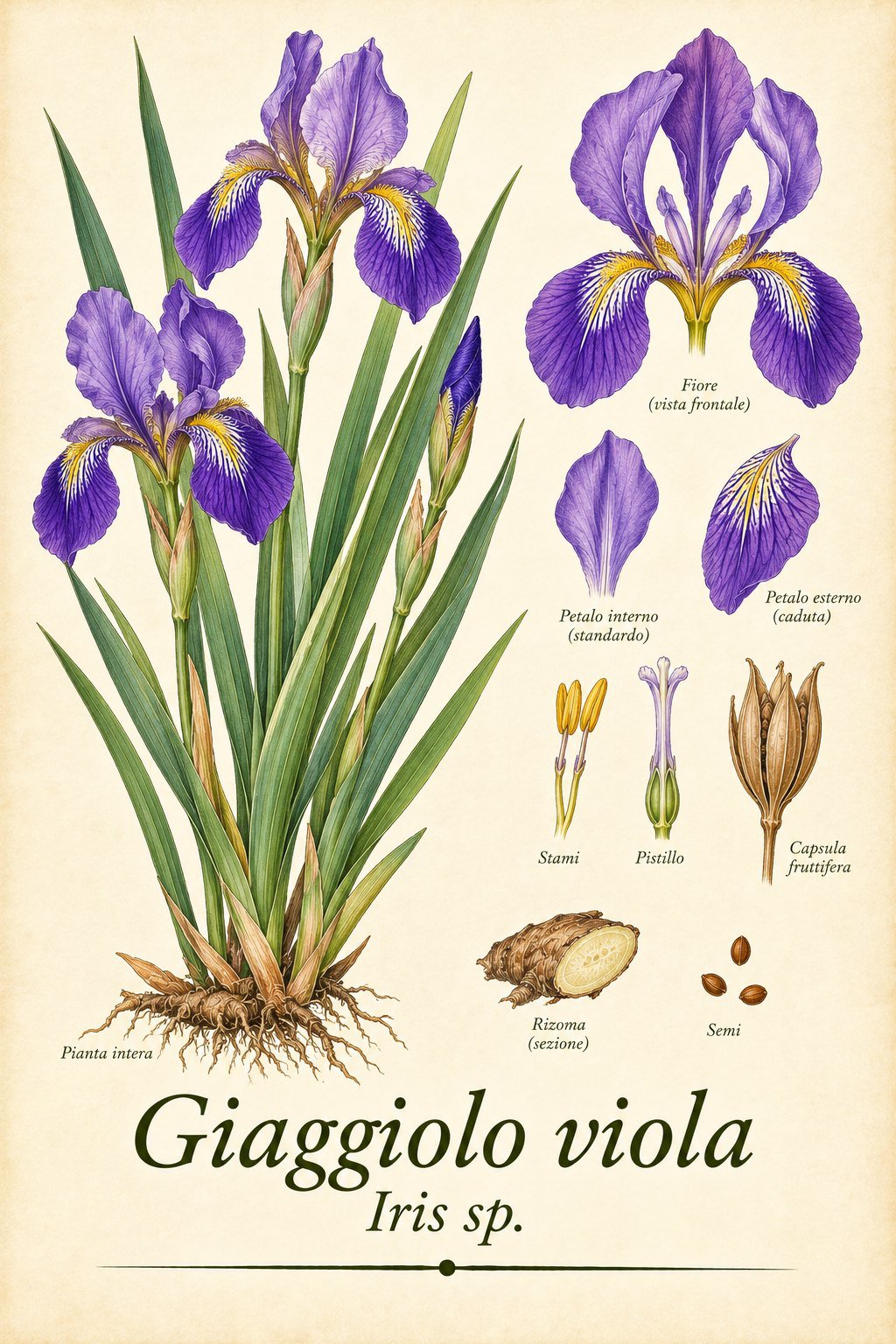
49 Botanical Plates
Rosemary
Myrtle
Strawberry Tree
Spanish Broom
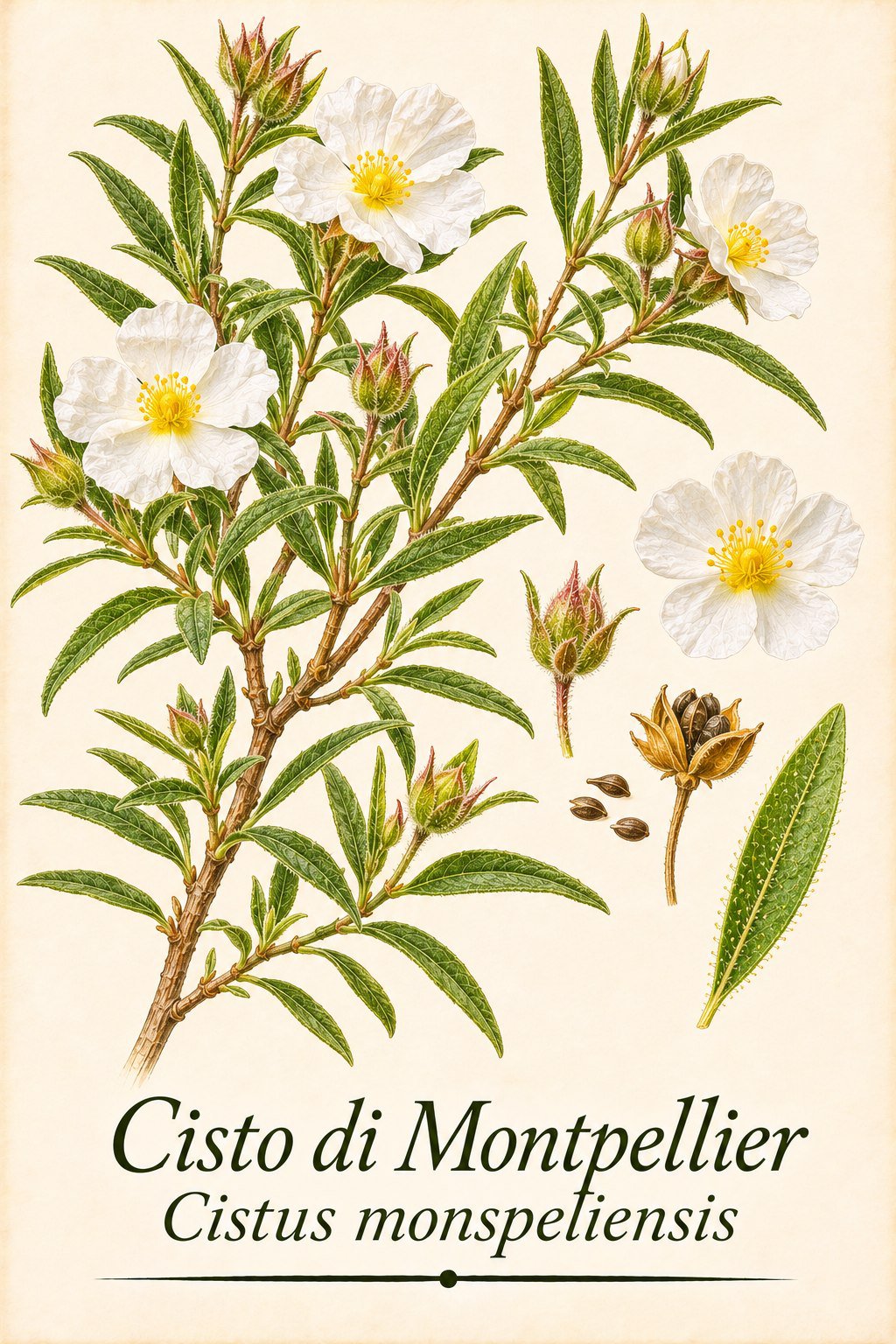
Montpellier Rockrose
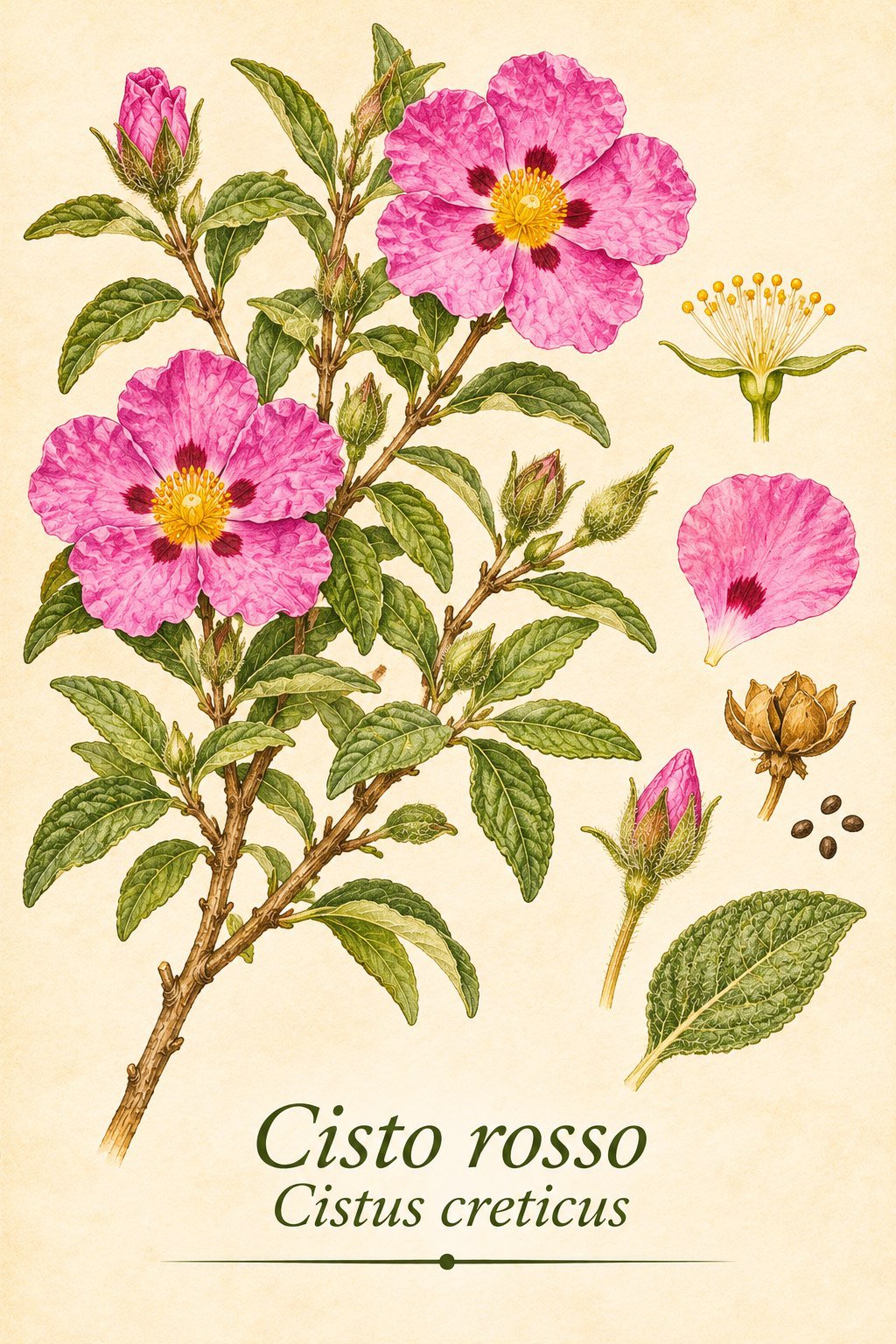
Pink Rockrose
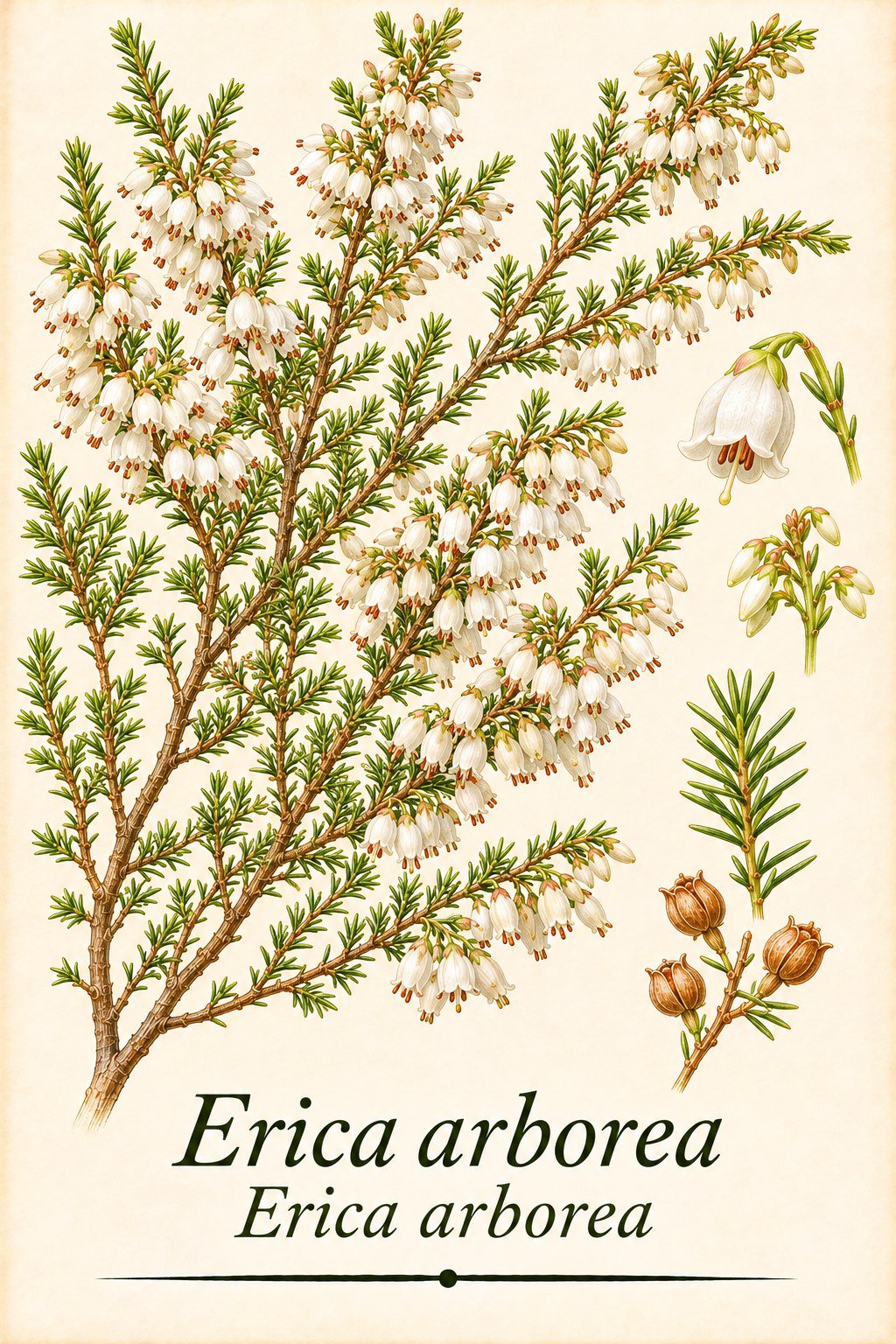
Tree Heather
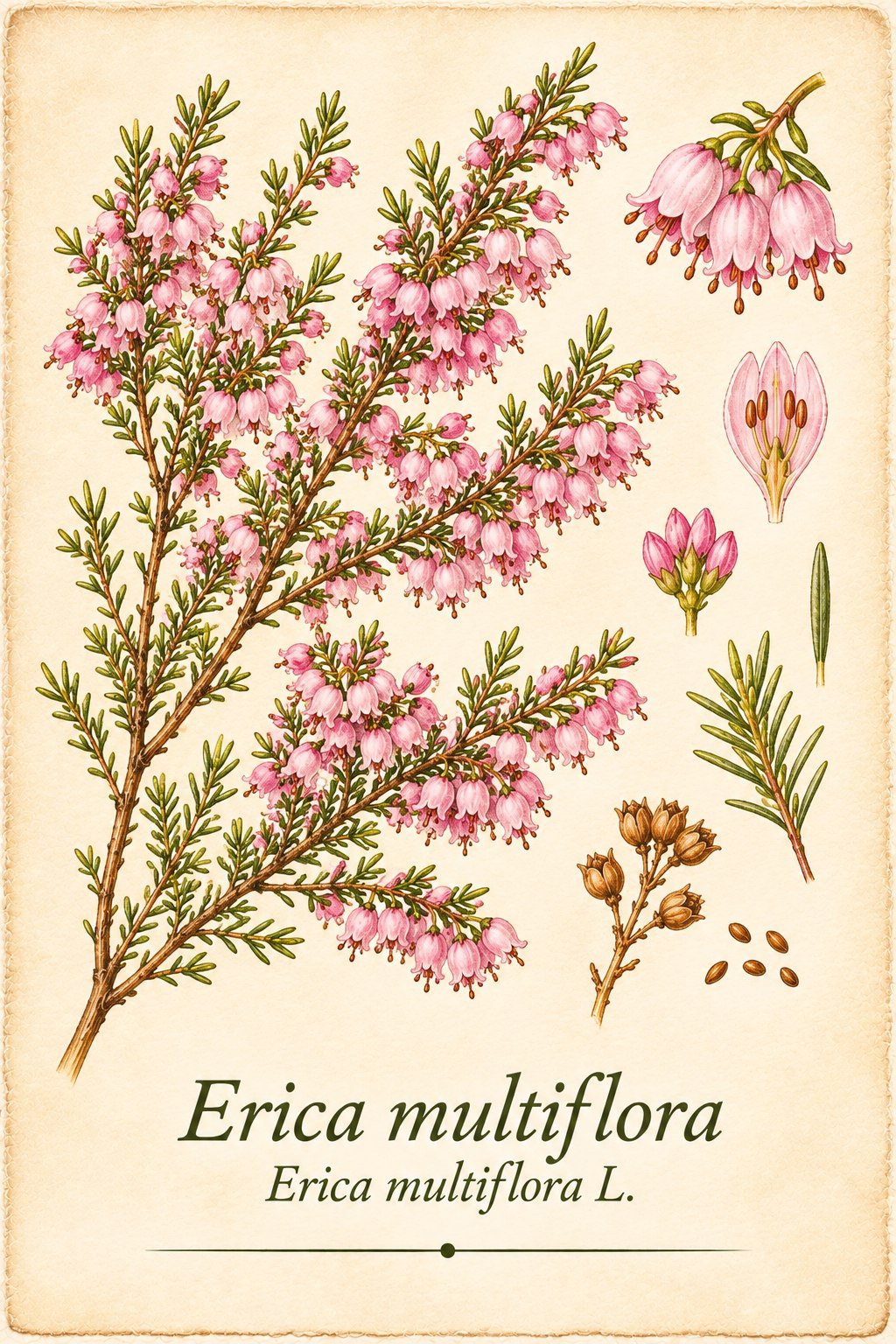
Many-flowered Heather
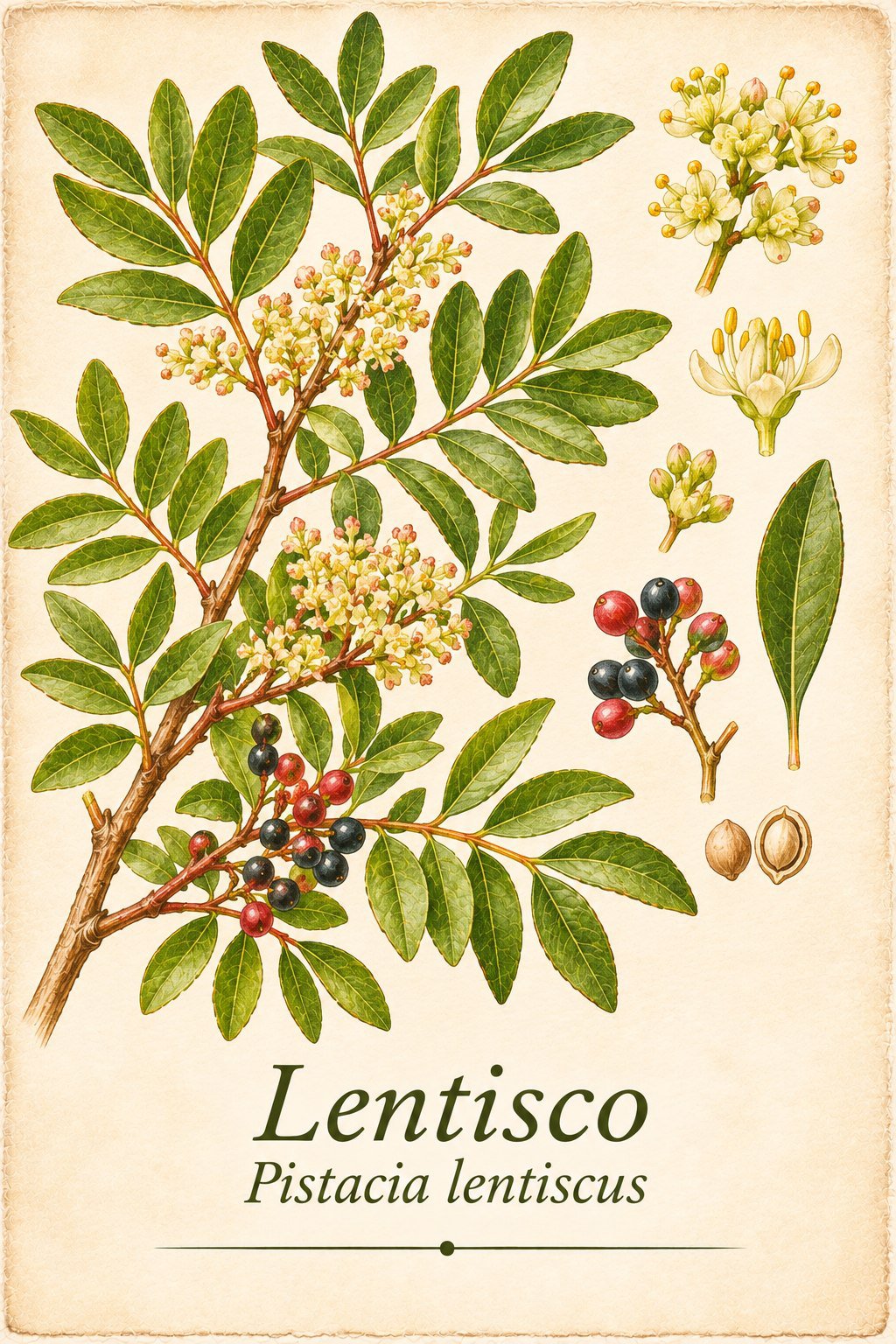
Mastic Tree
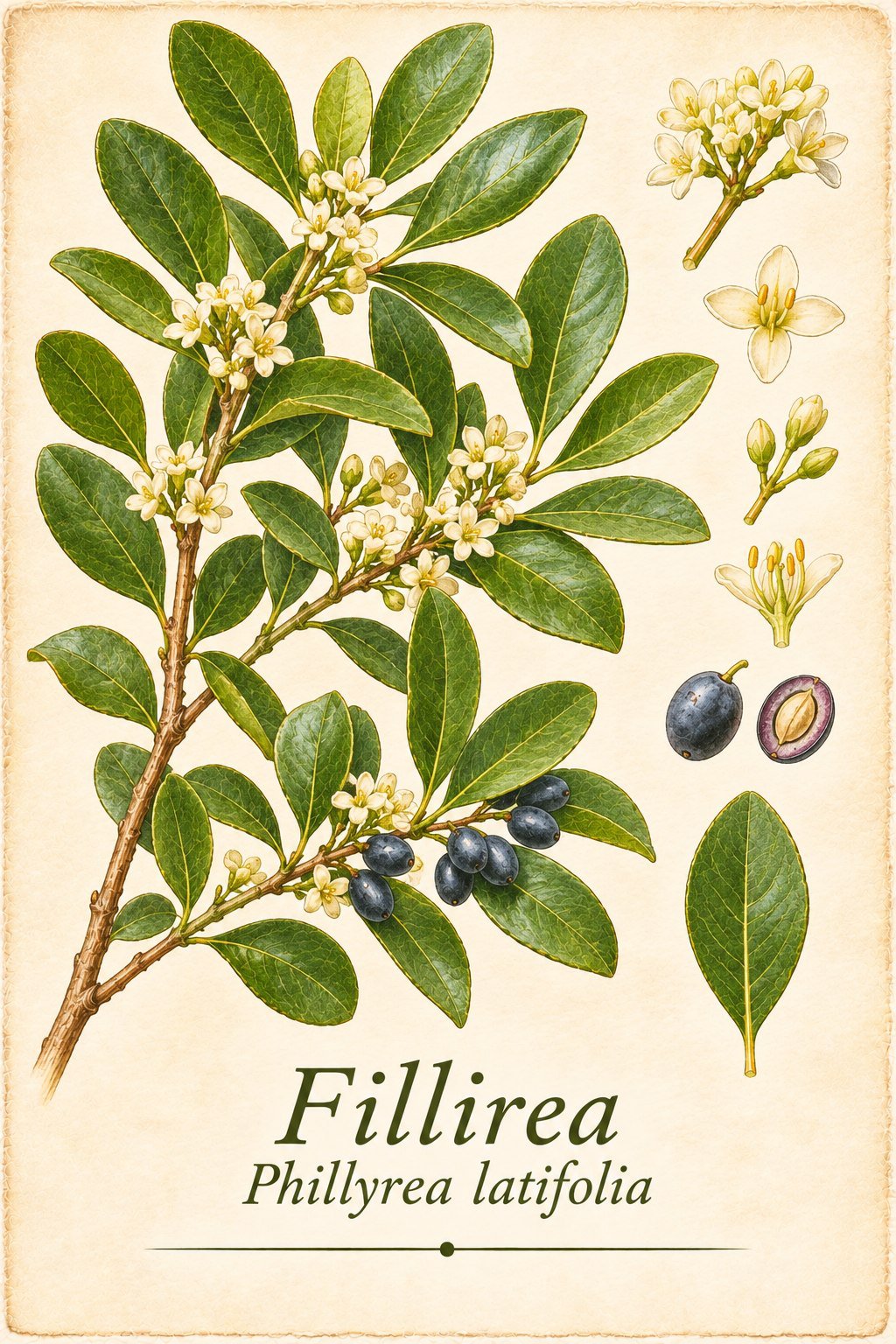
Phillyrea
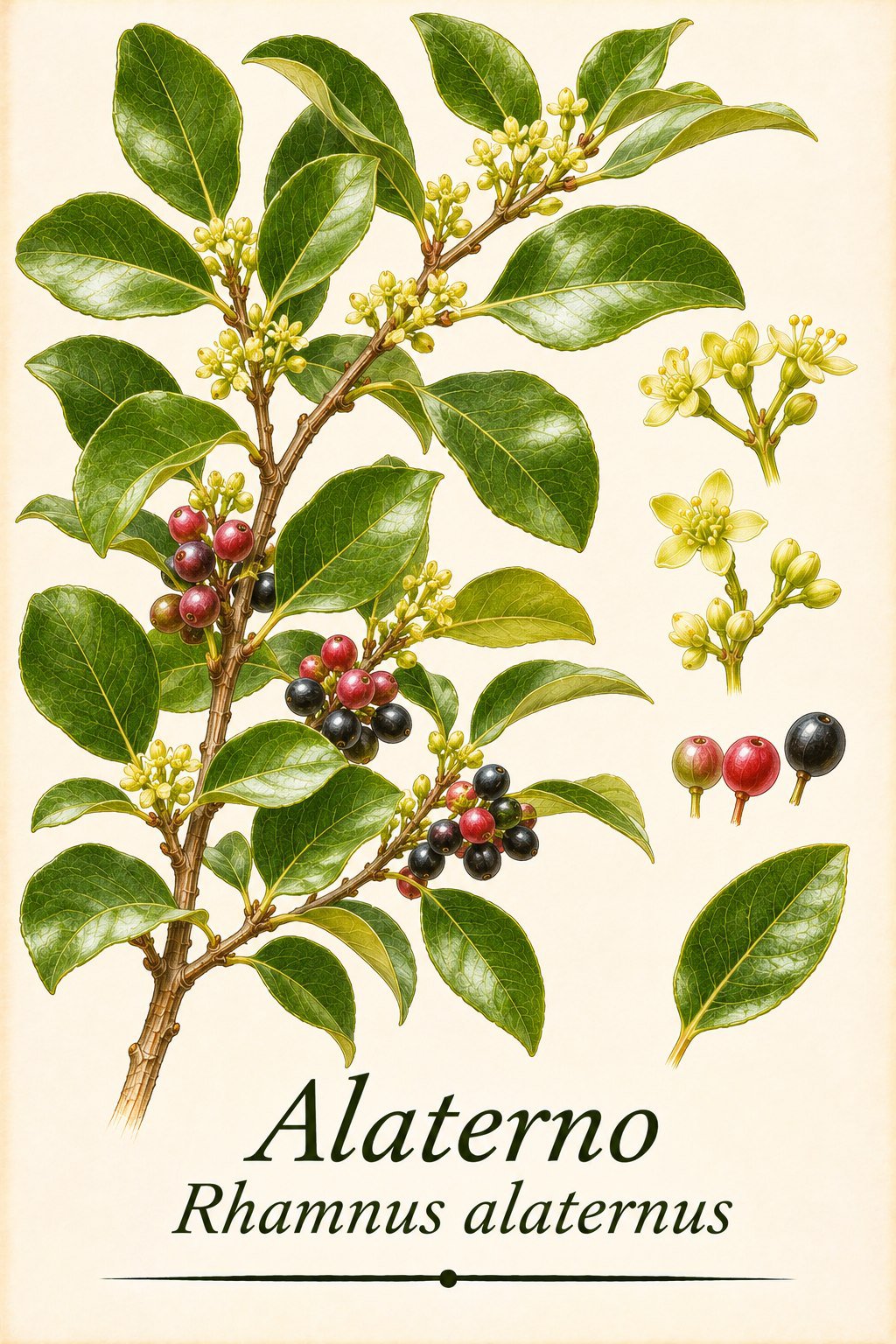
Italian Buckthorn
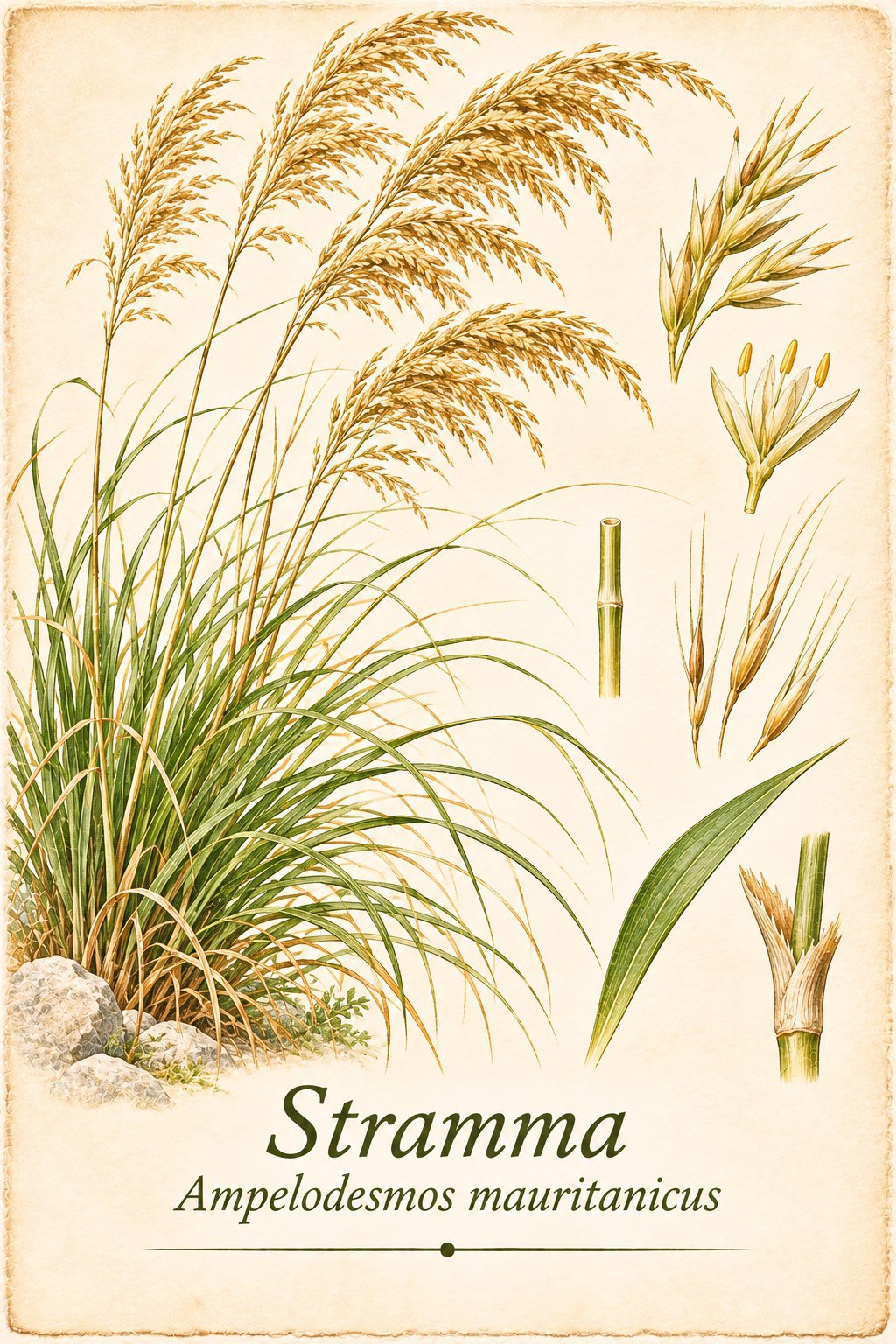
Mediterranean Esparto Grass
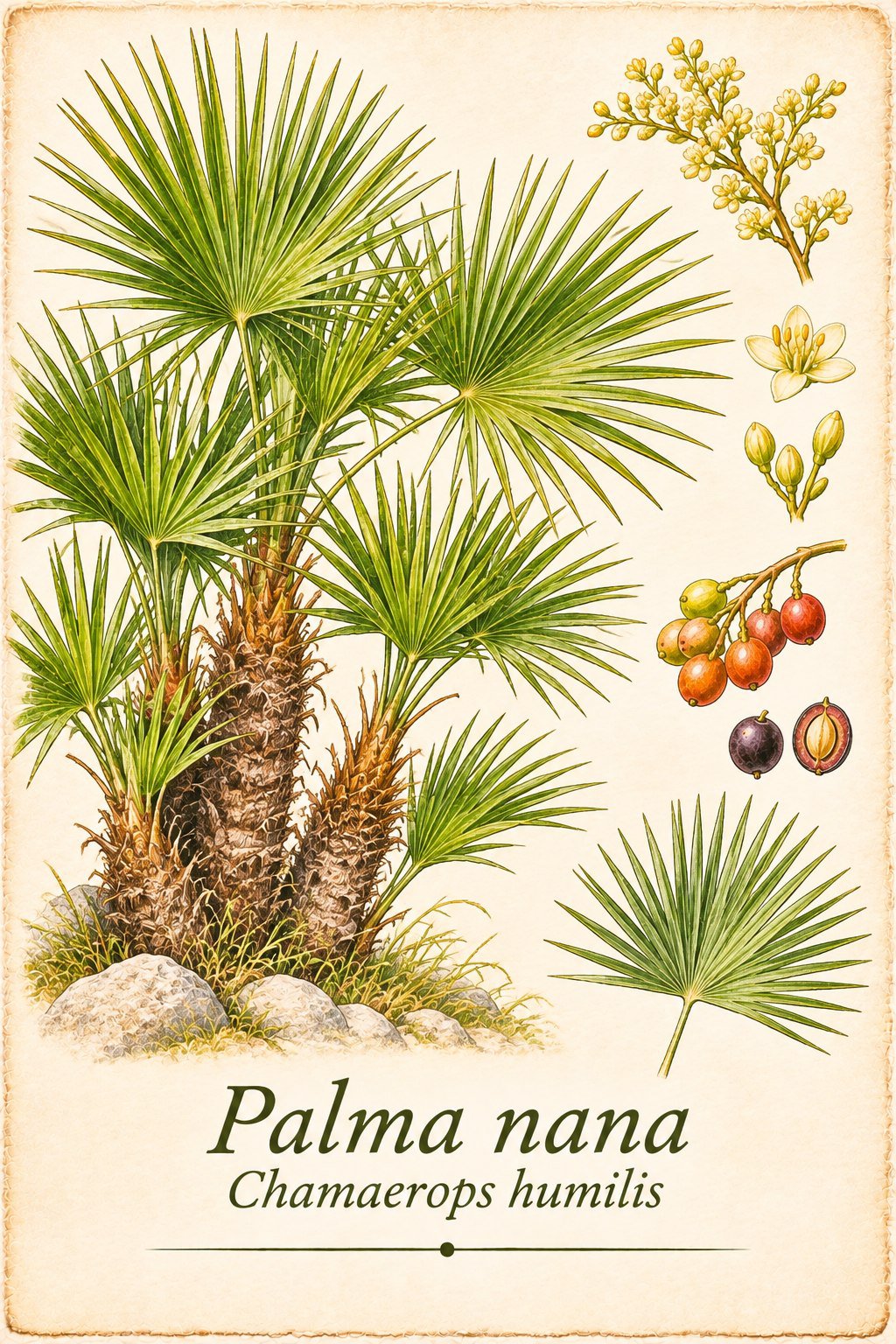
Dwarf Fan Palm
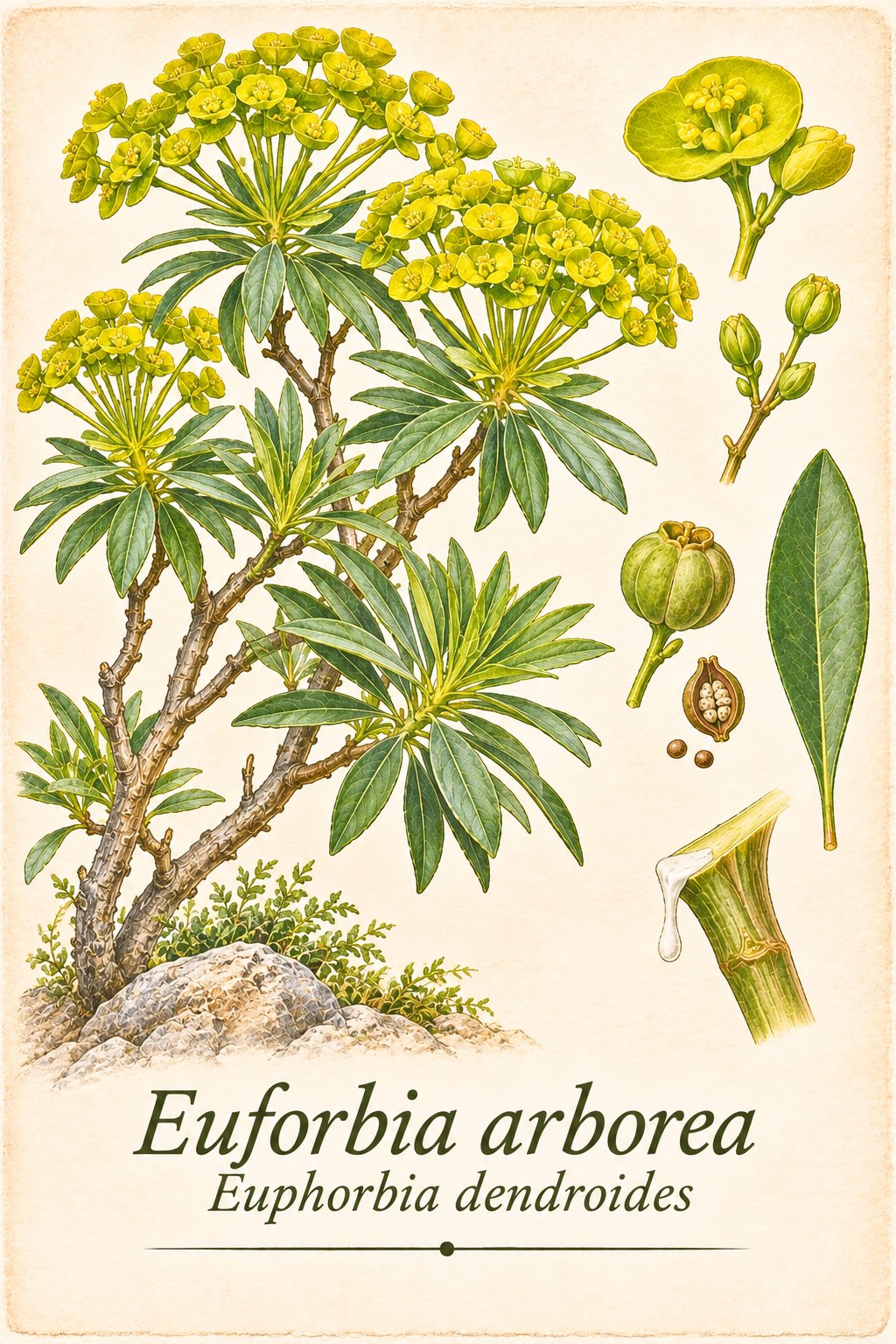
Tree Spurge
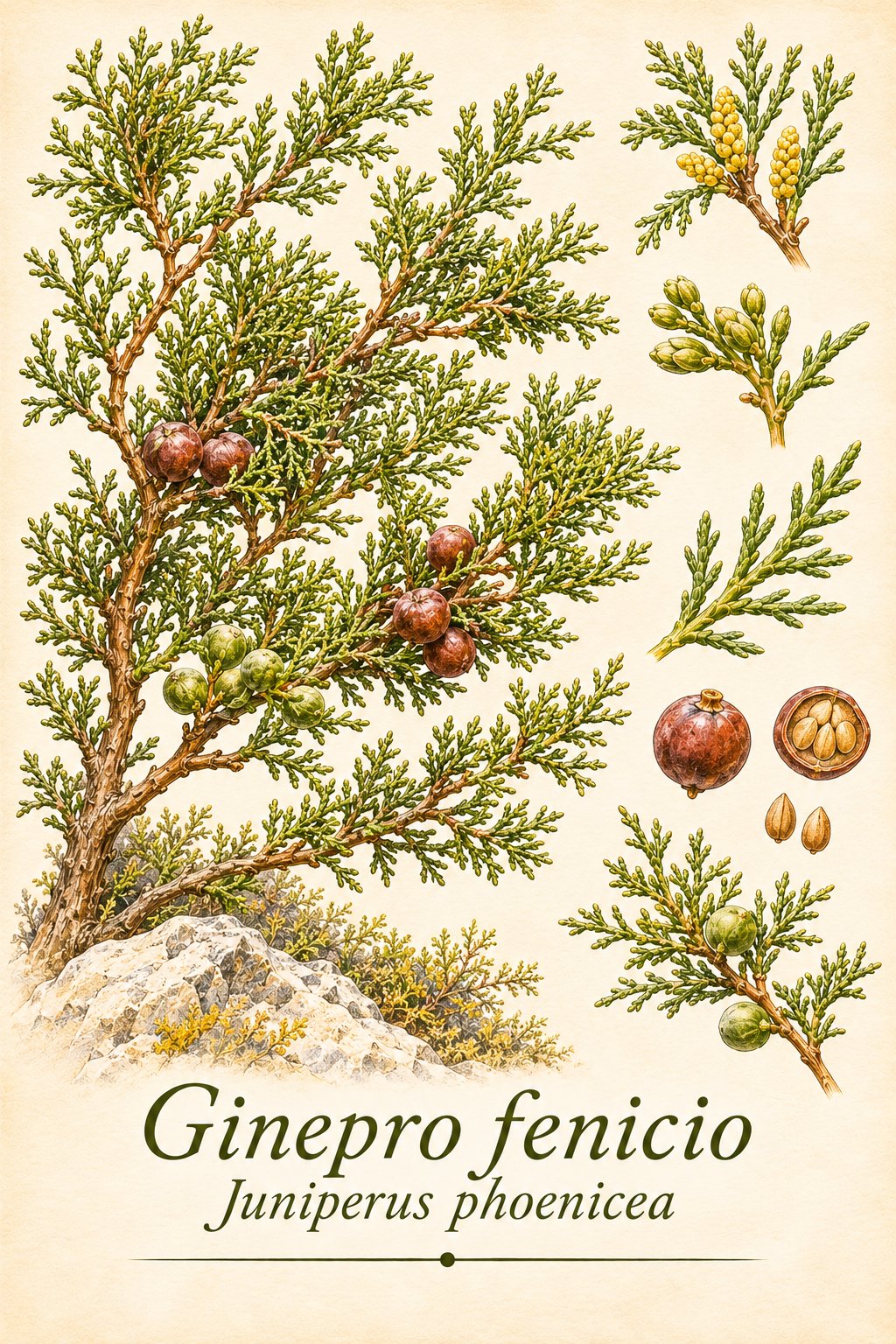
Phoenician Juniper
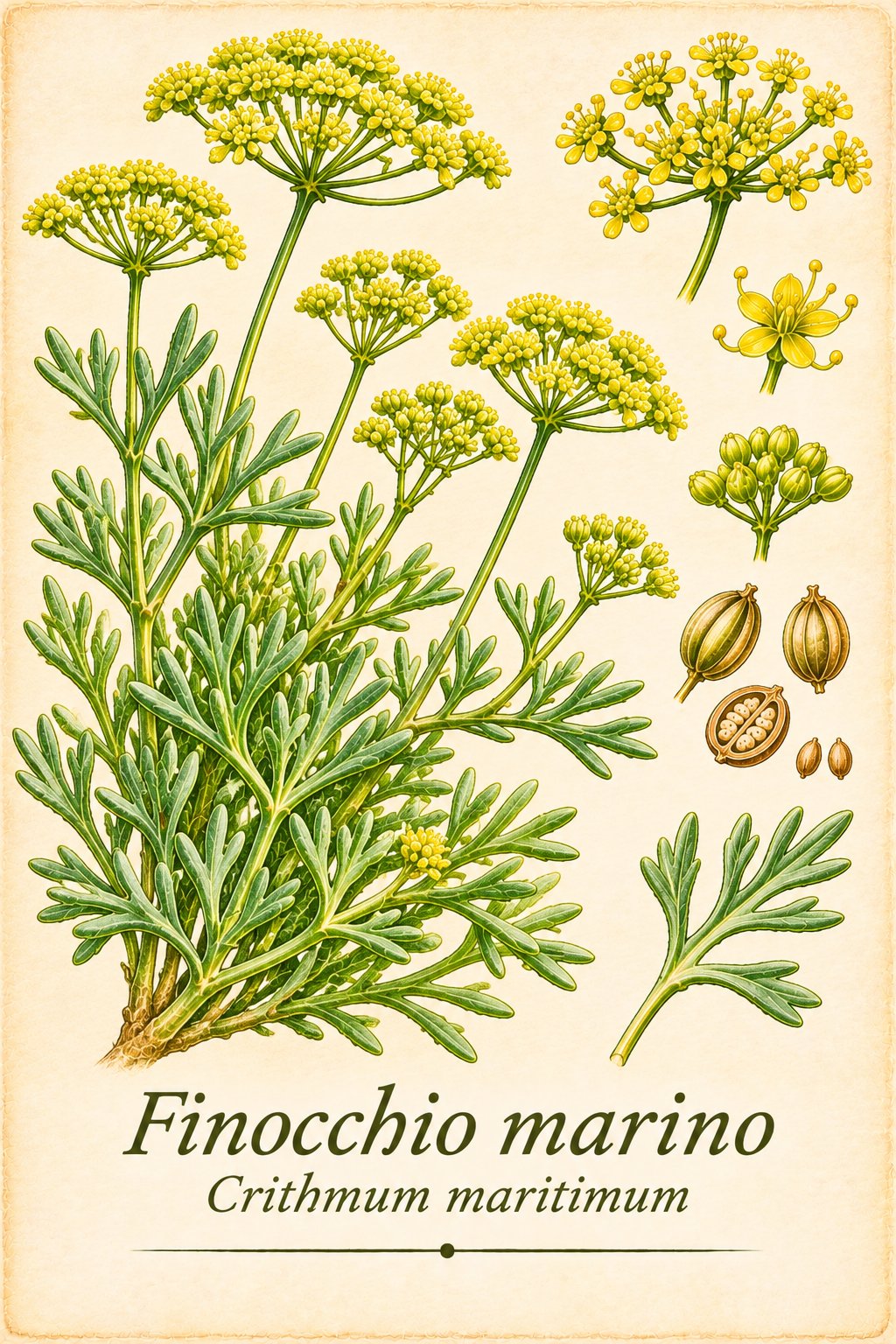
Rock Samphire
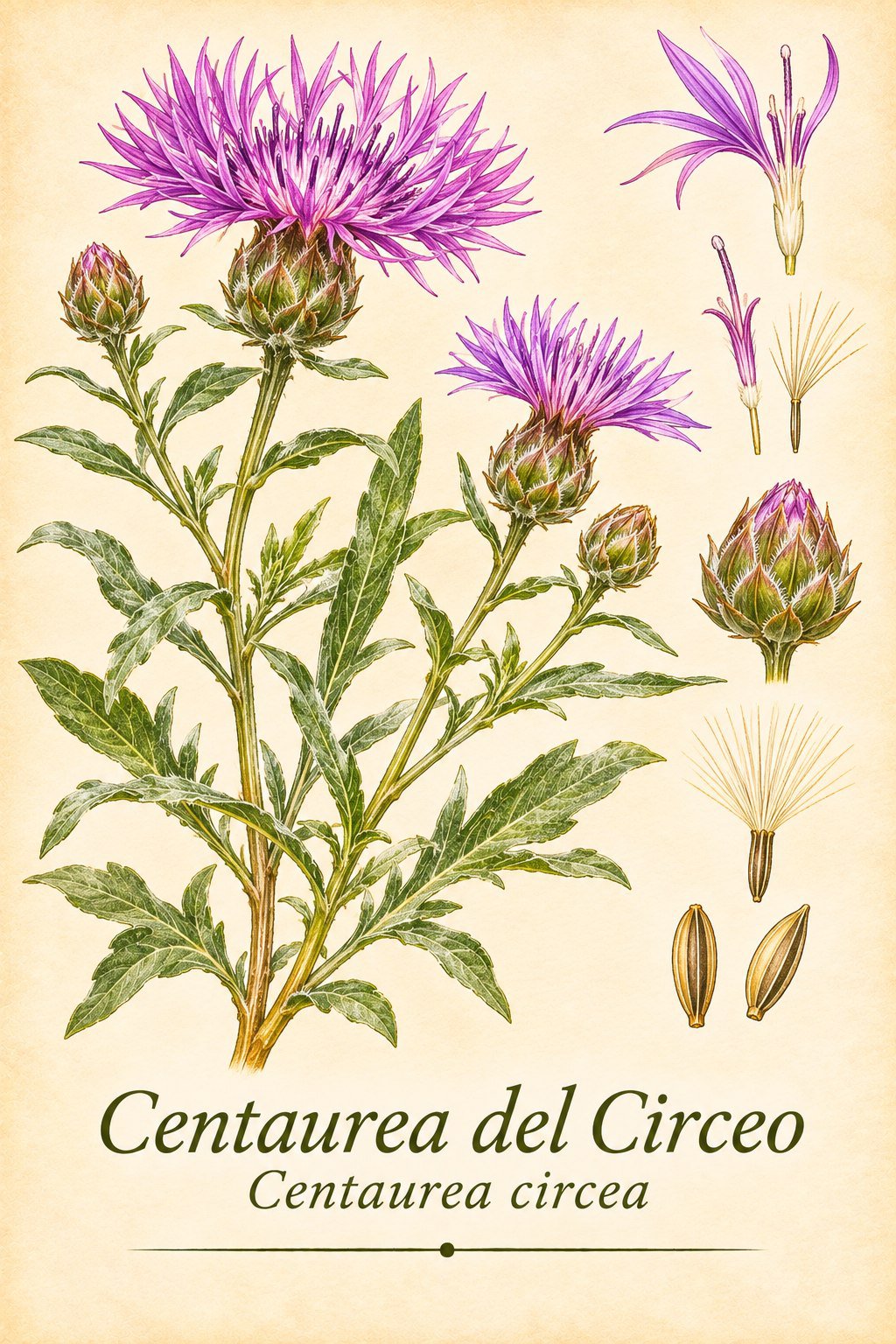
Circeo Knapweed
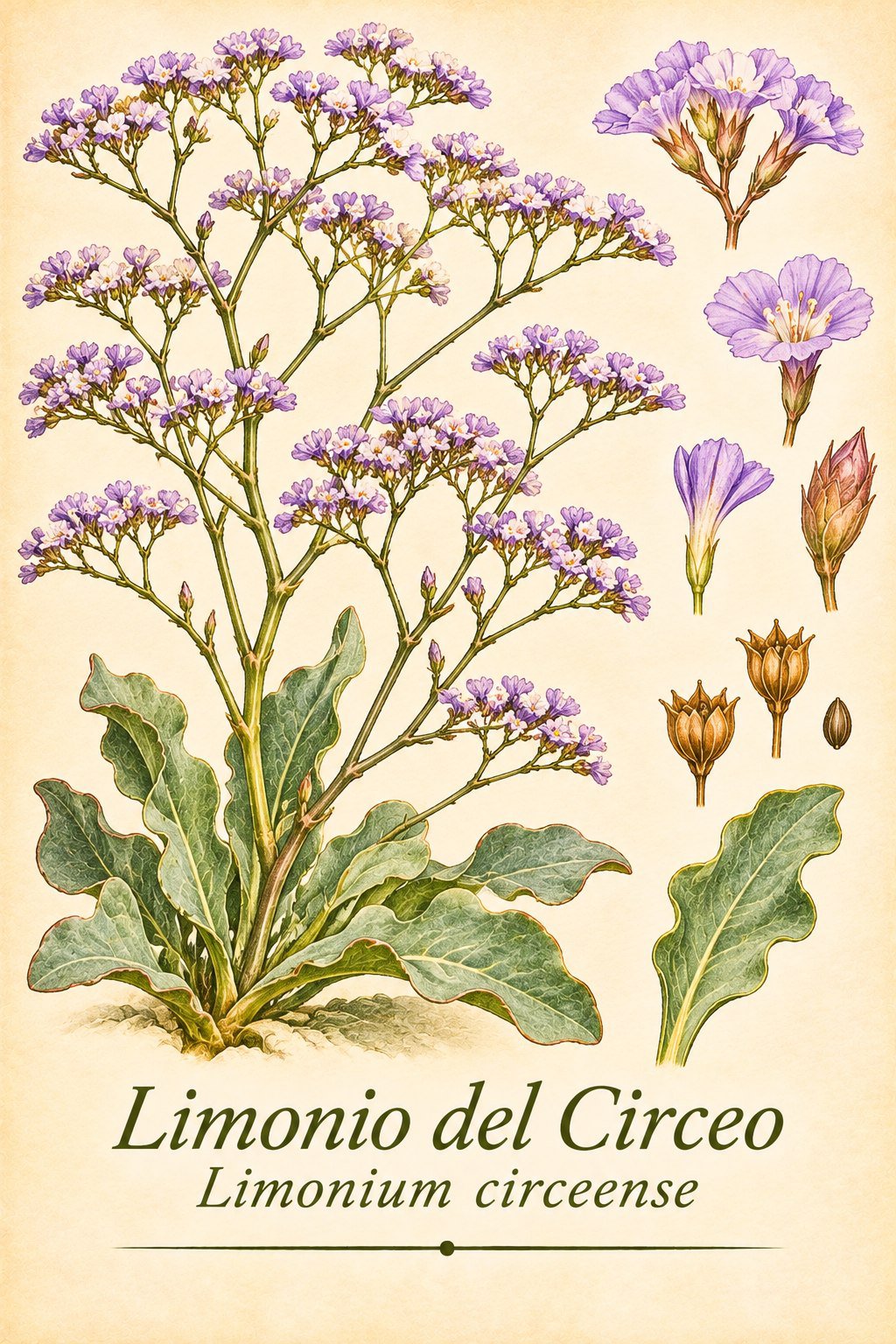
Circeo Sea Lavender
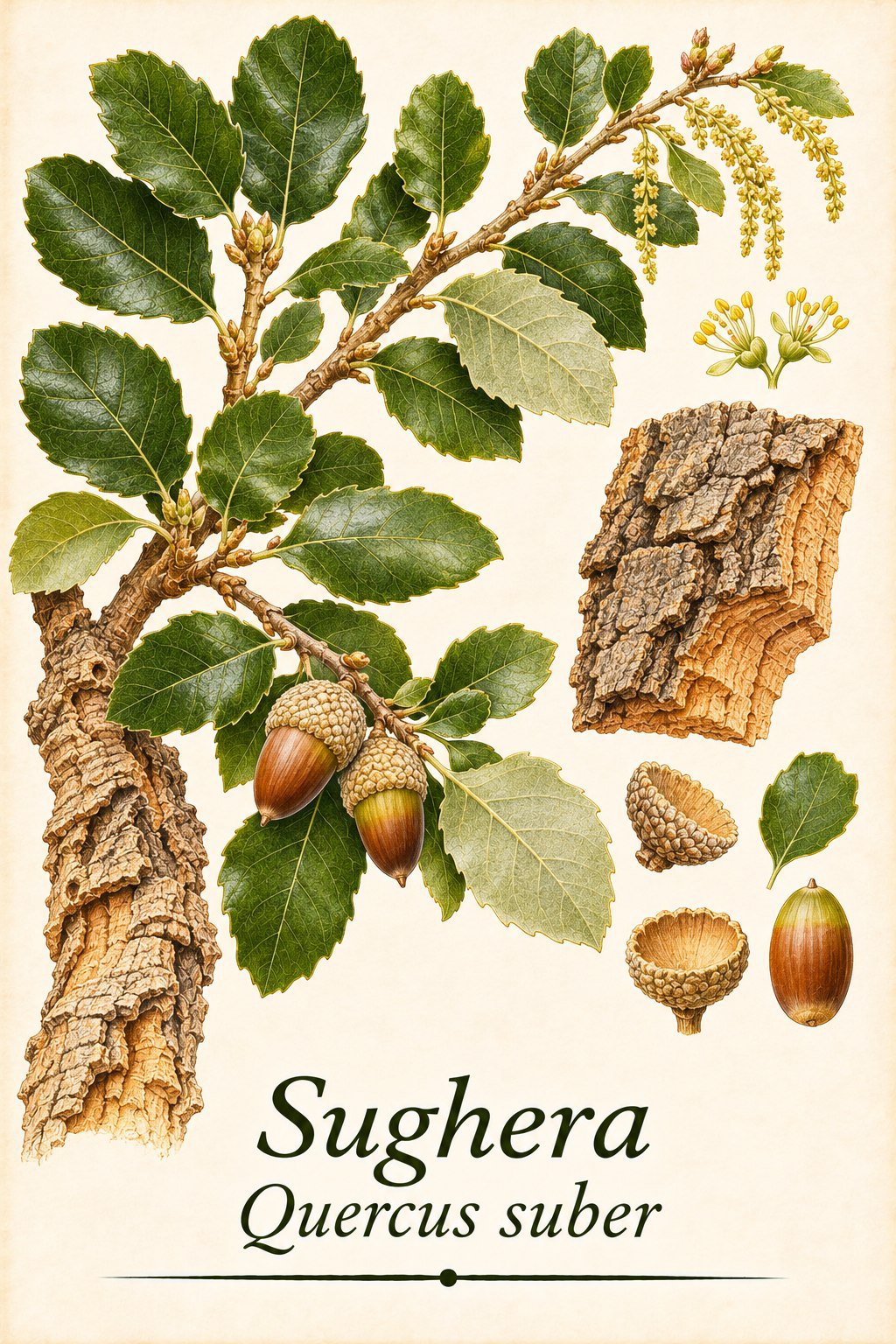
Cork Oak
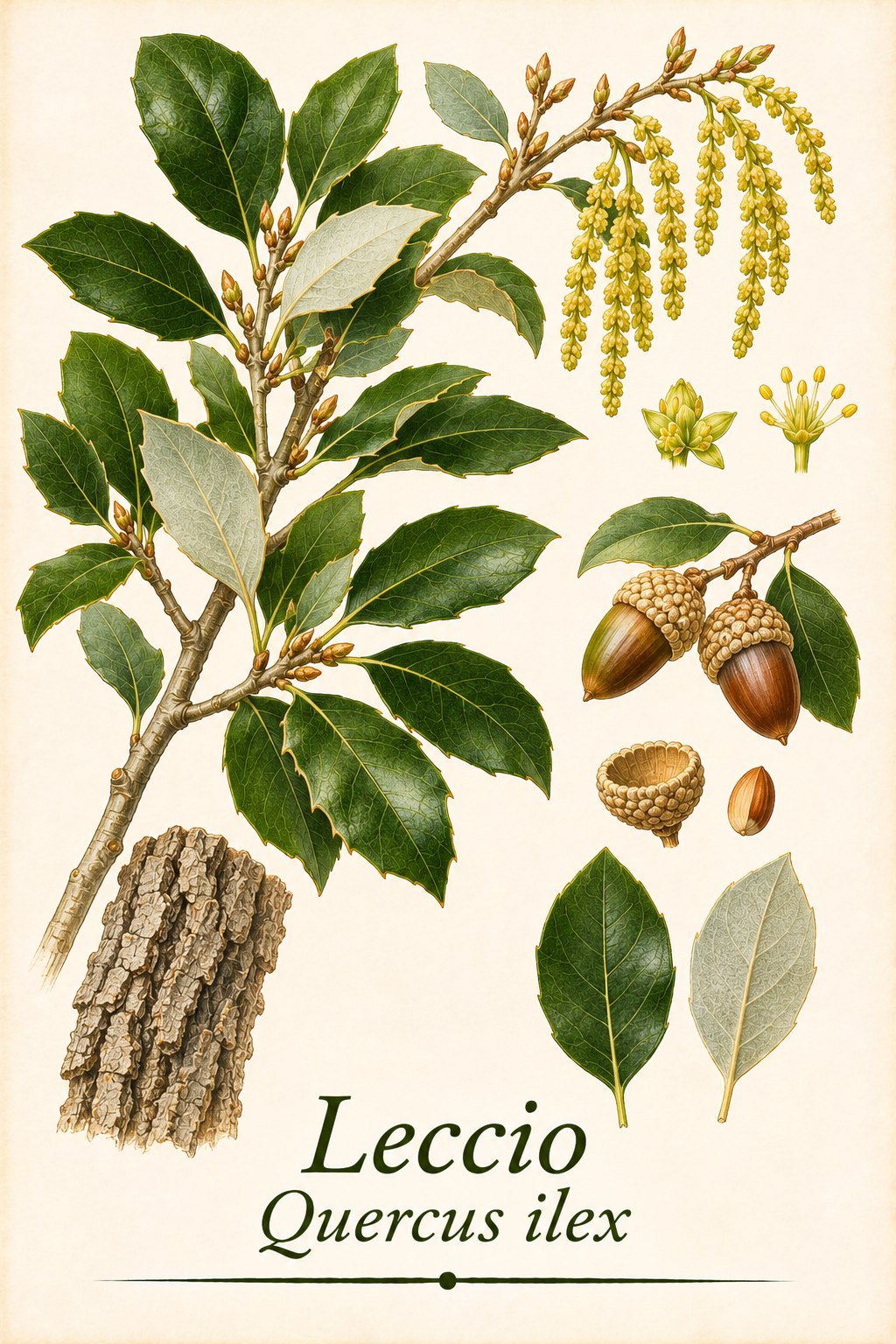
Holm Oak
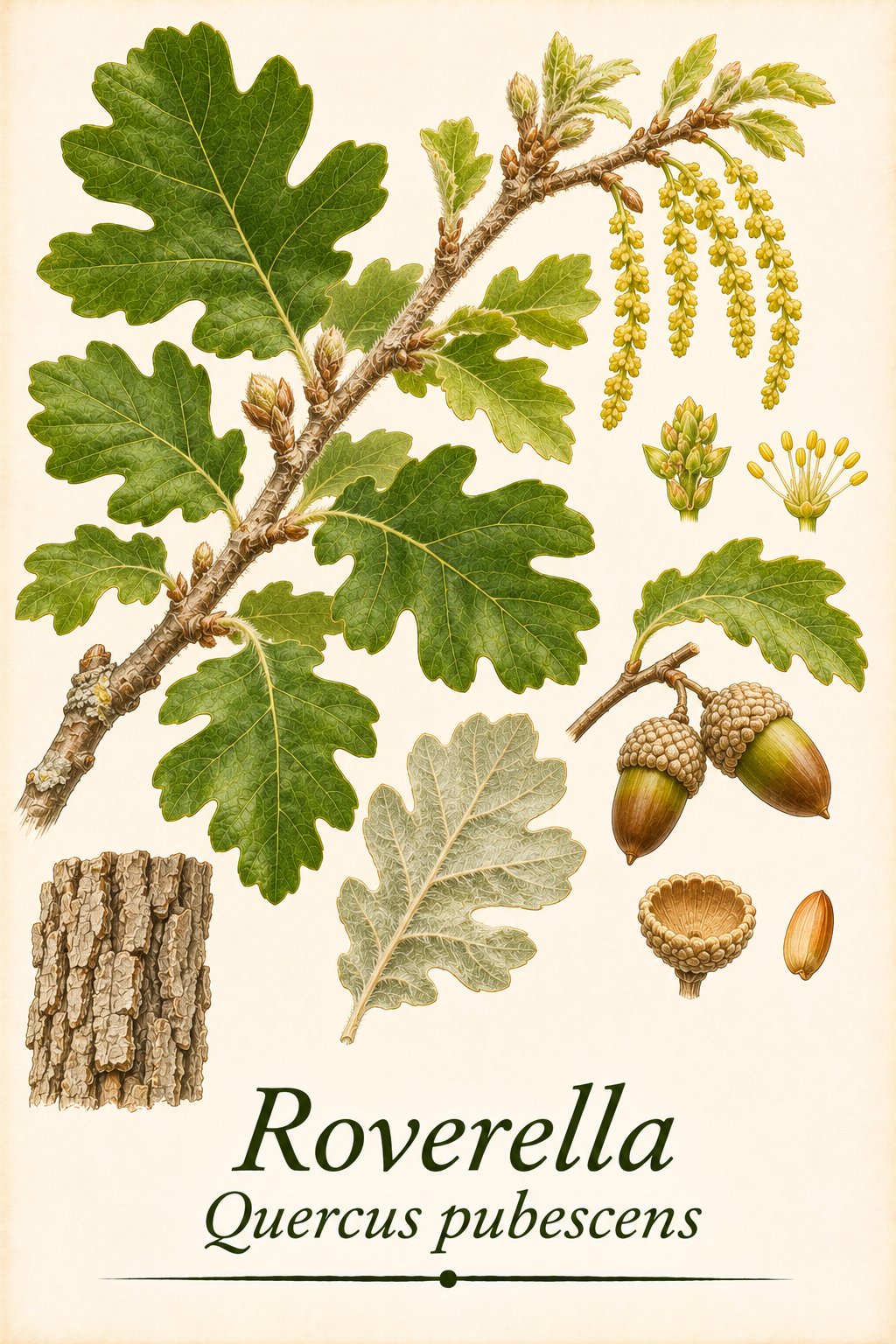
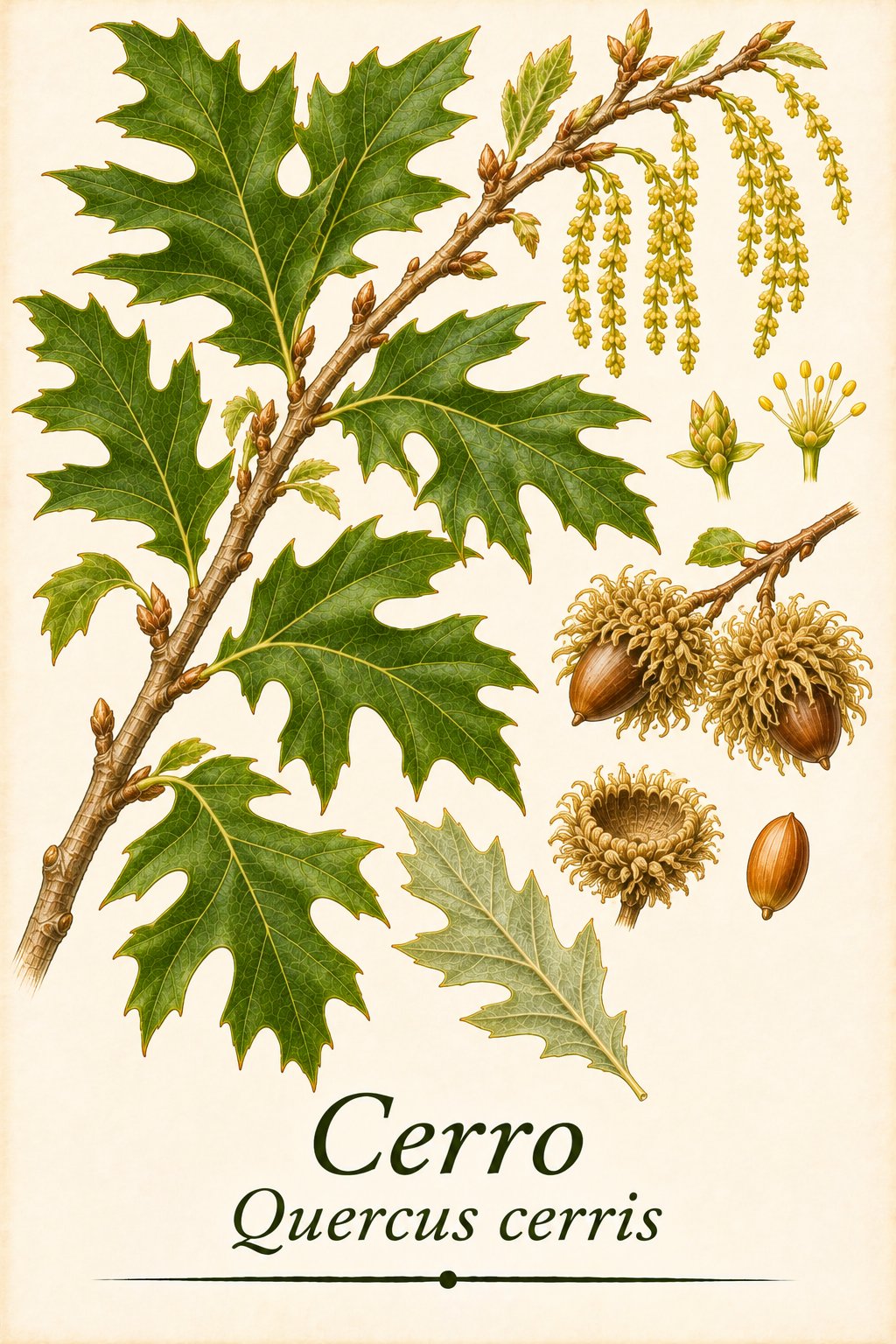
Downy Oak
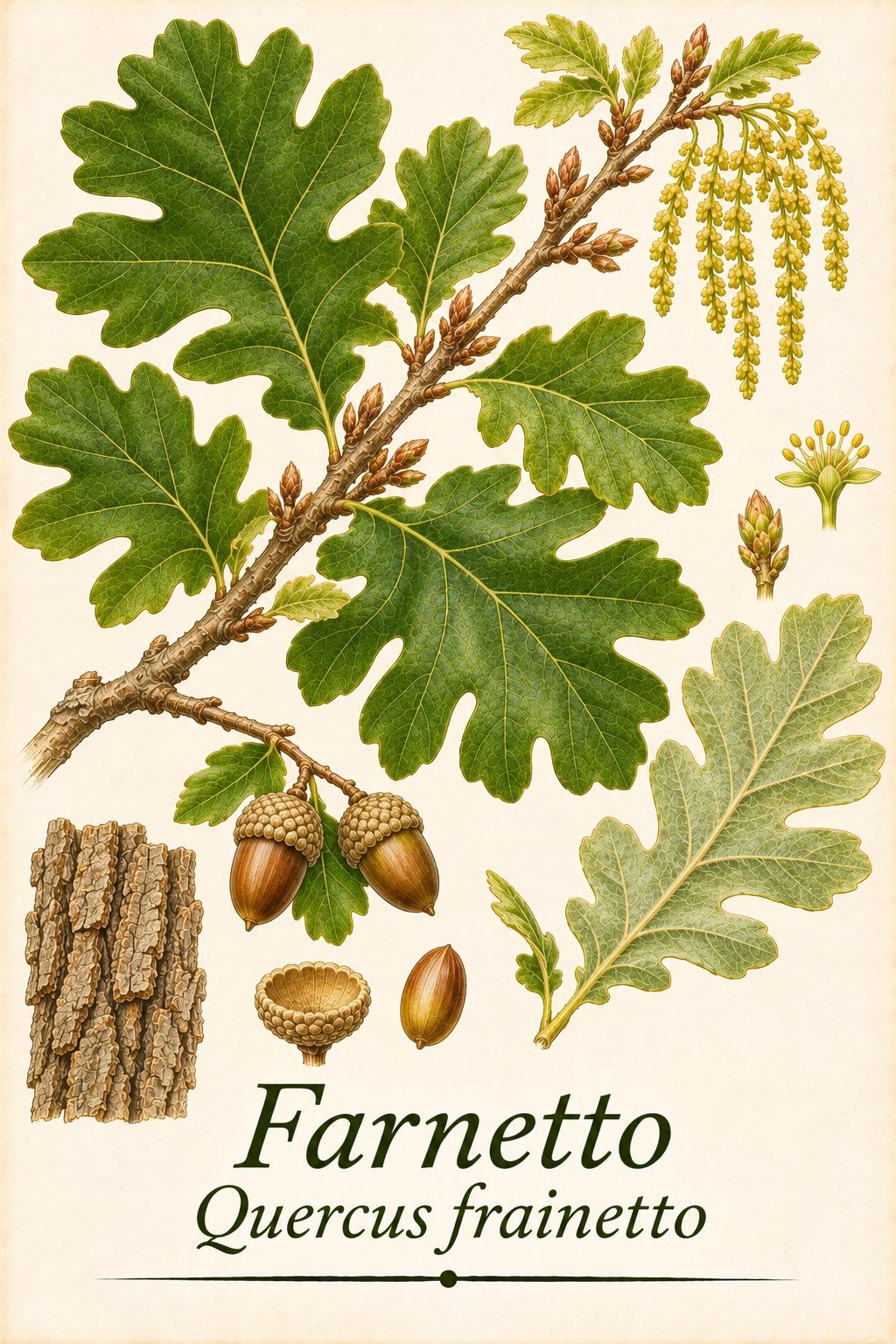
Hungarian Oak
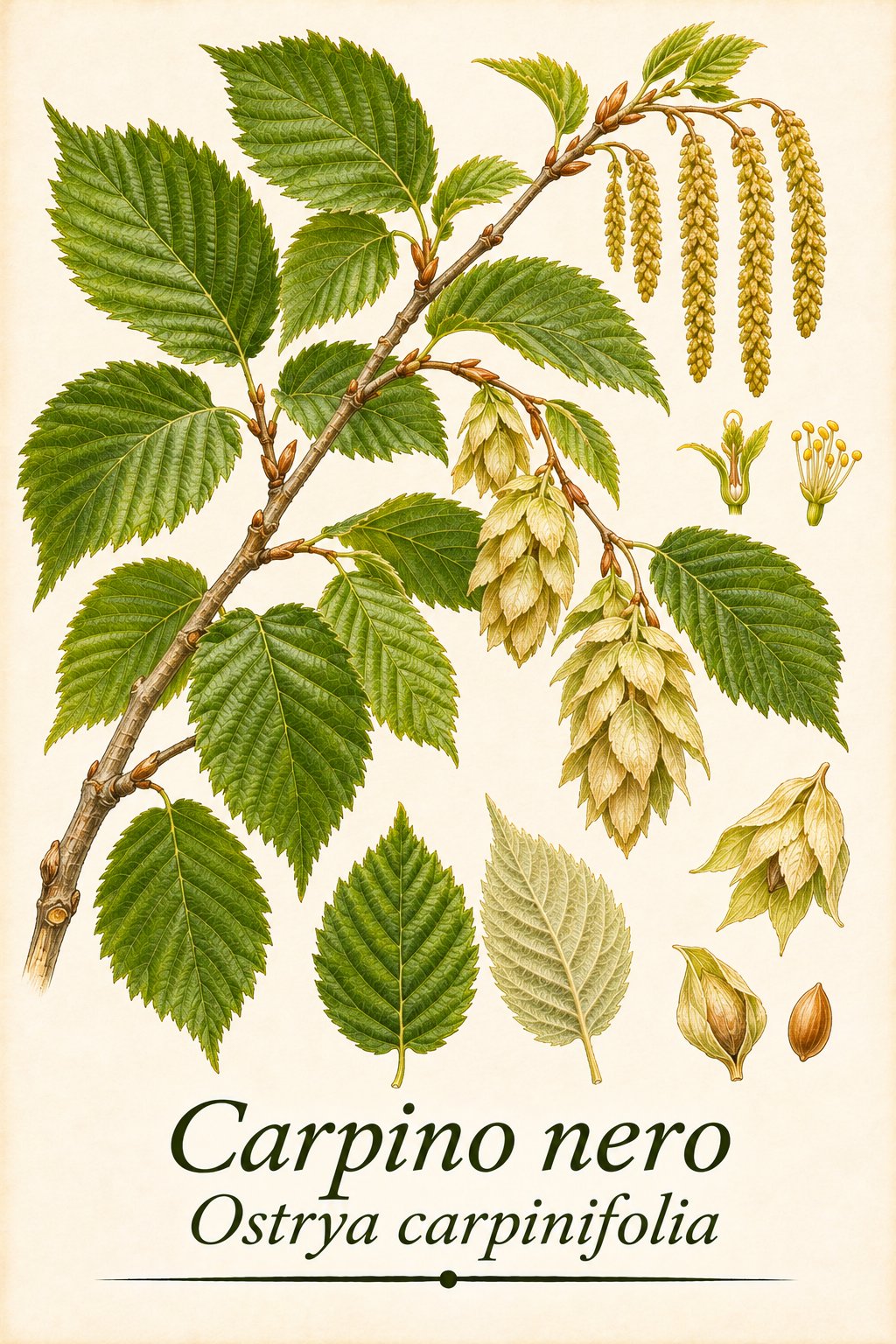
Hop Hornbeam
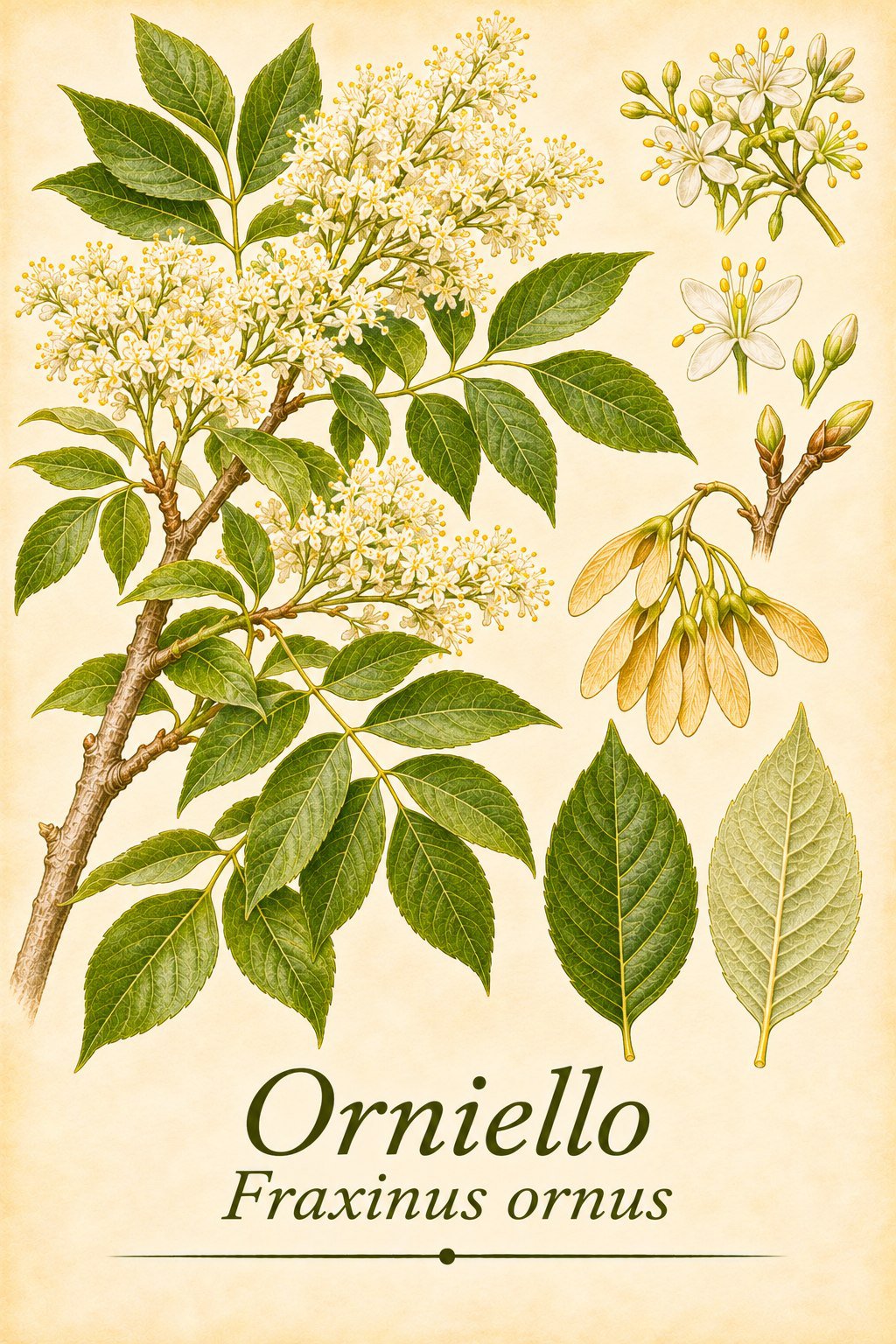
Manna Ash
Turkey Oak
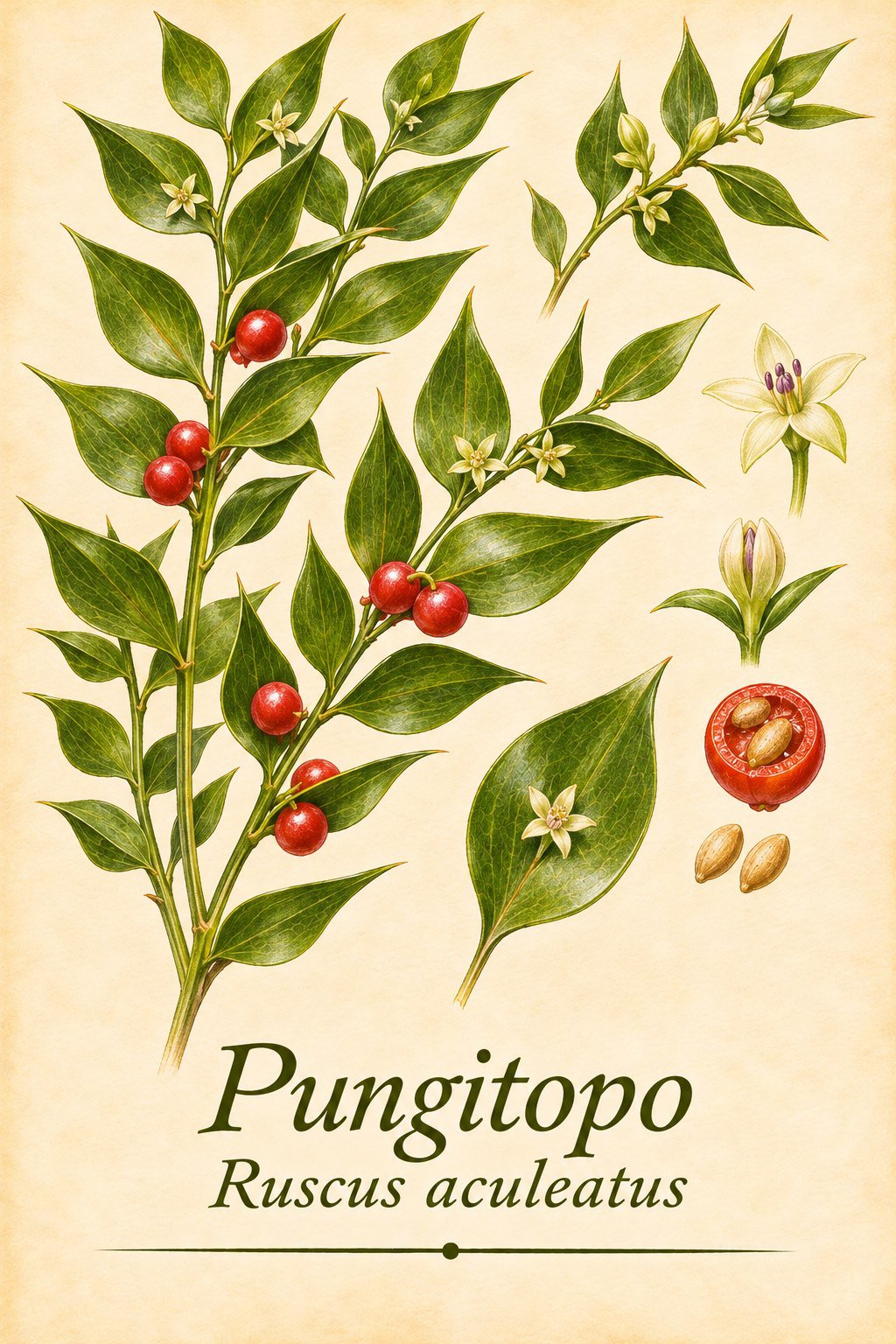
Butcher’s Broom
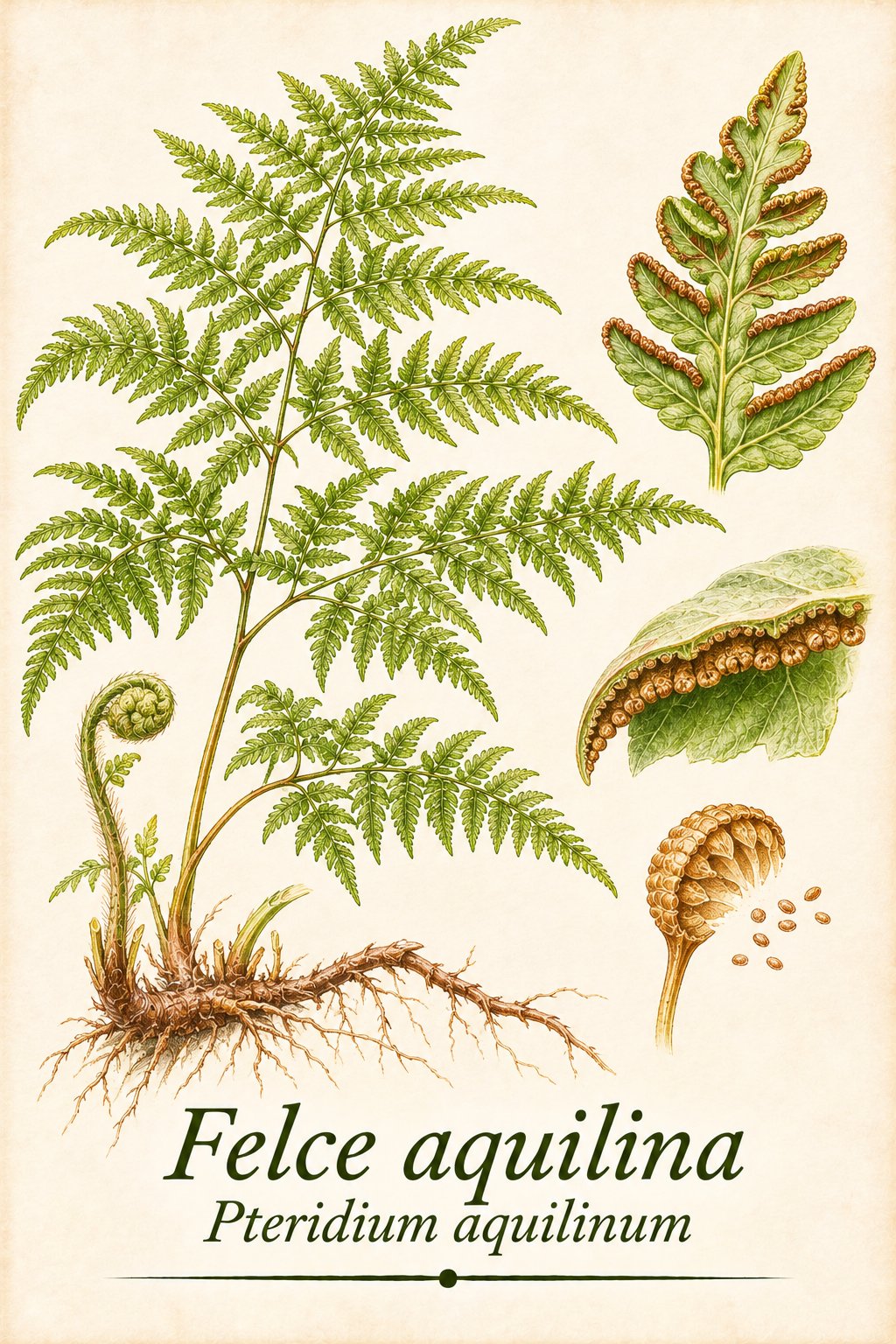
Bracken
Cyclamen
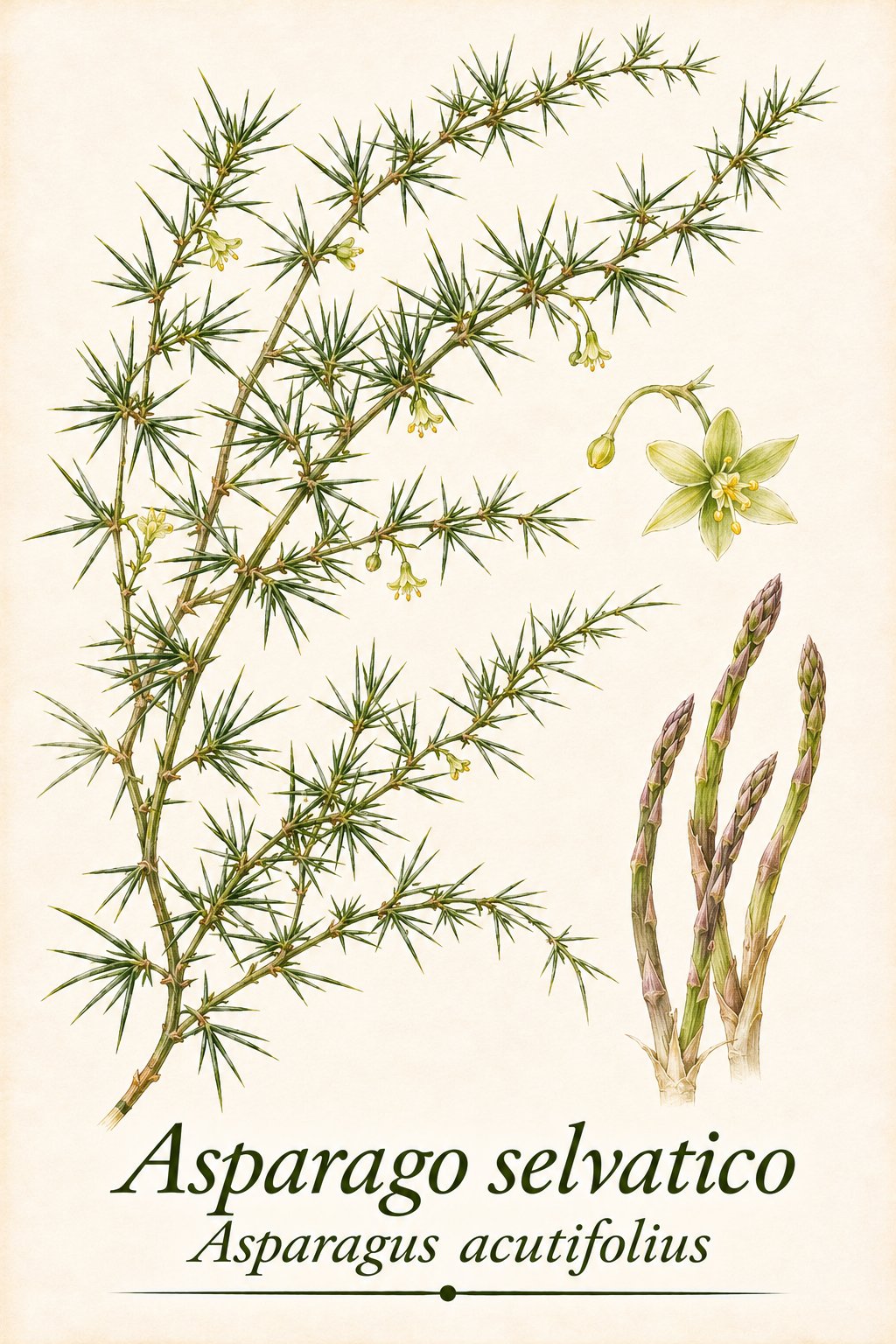
Wild Asparagus
Common Bramble
Sea Daffodil
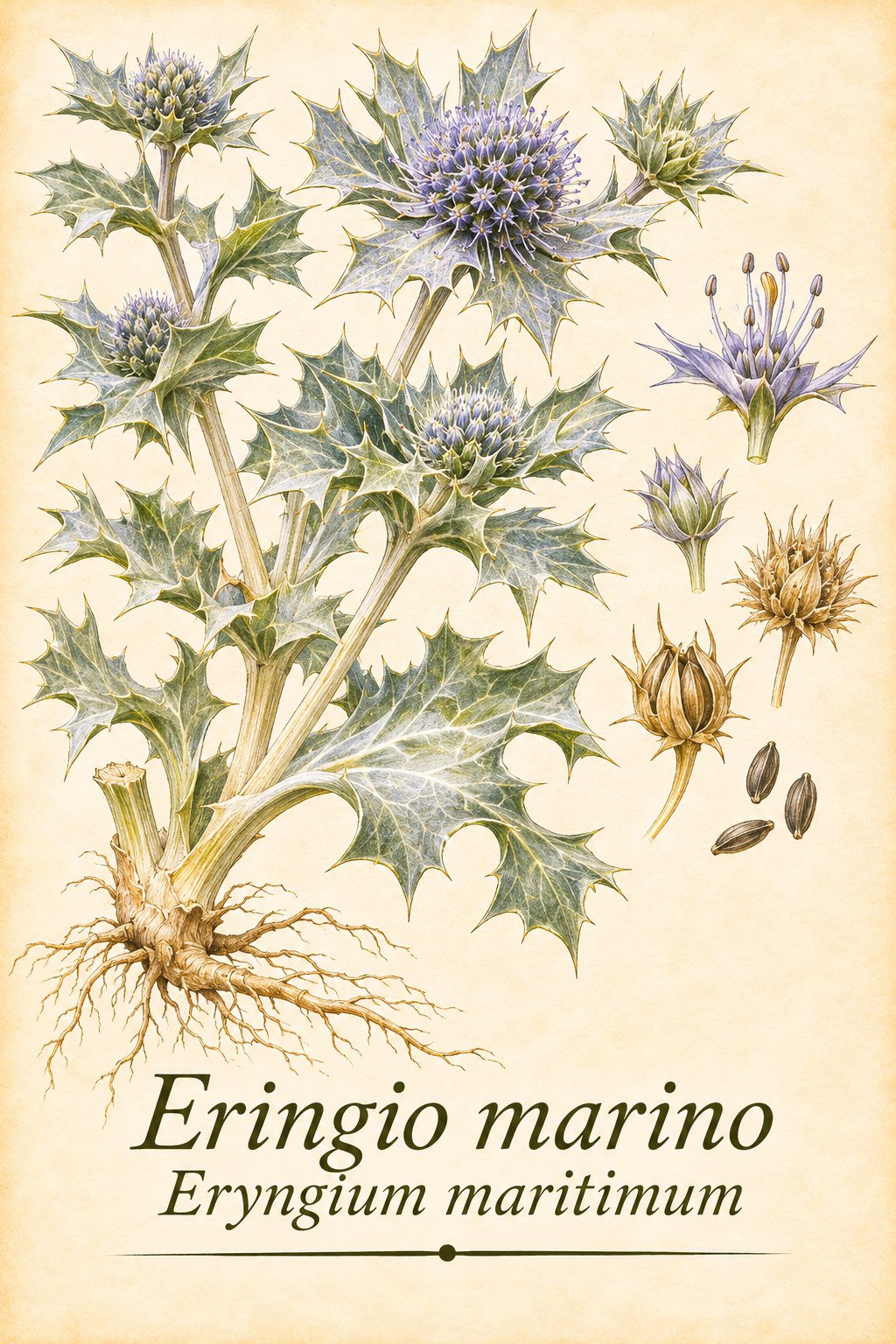
Sea Holly
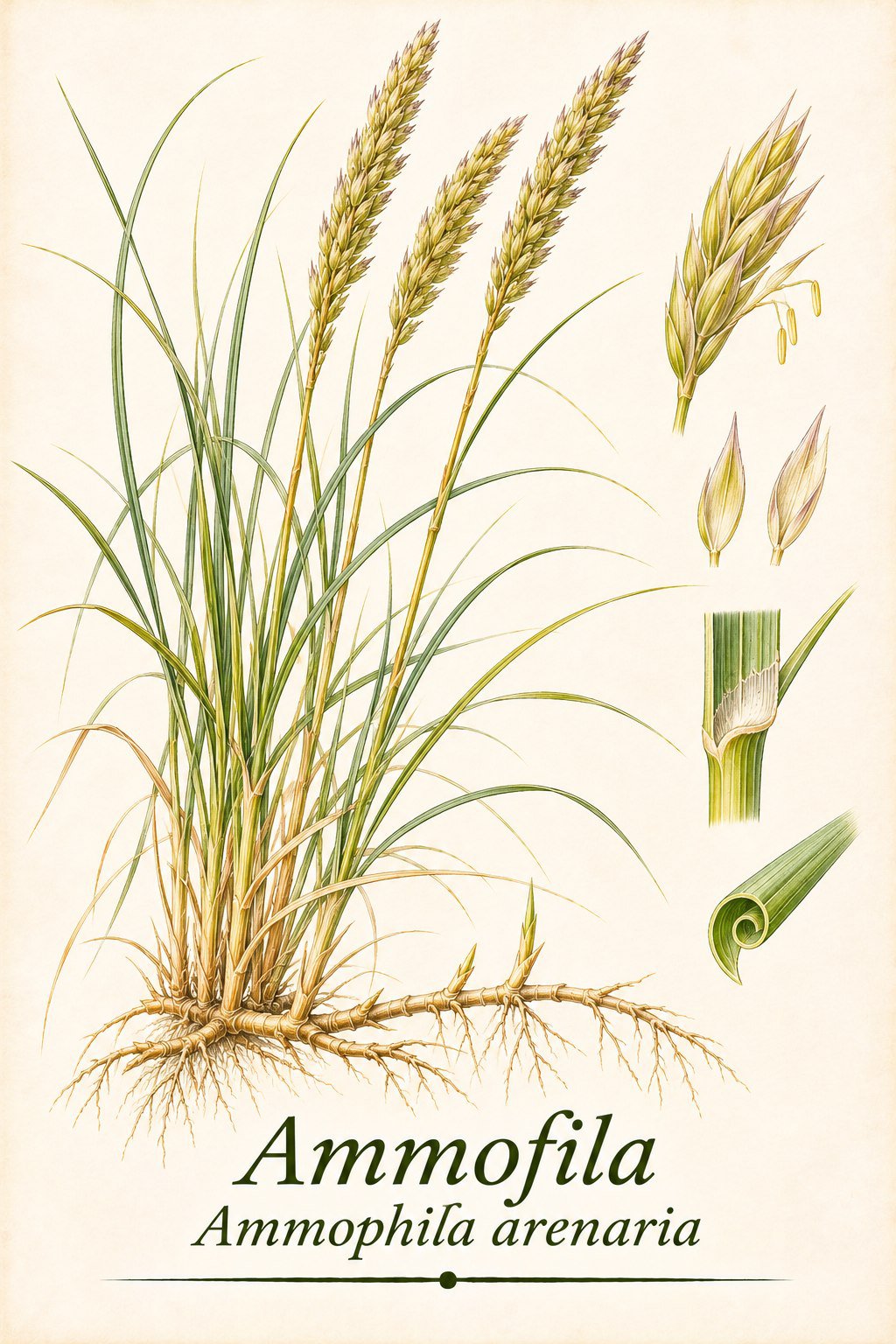
Marram Grass
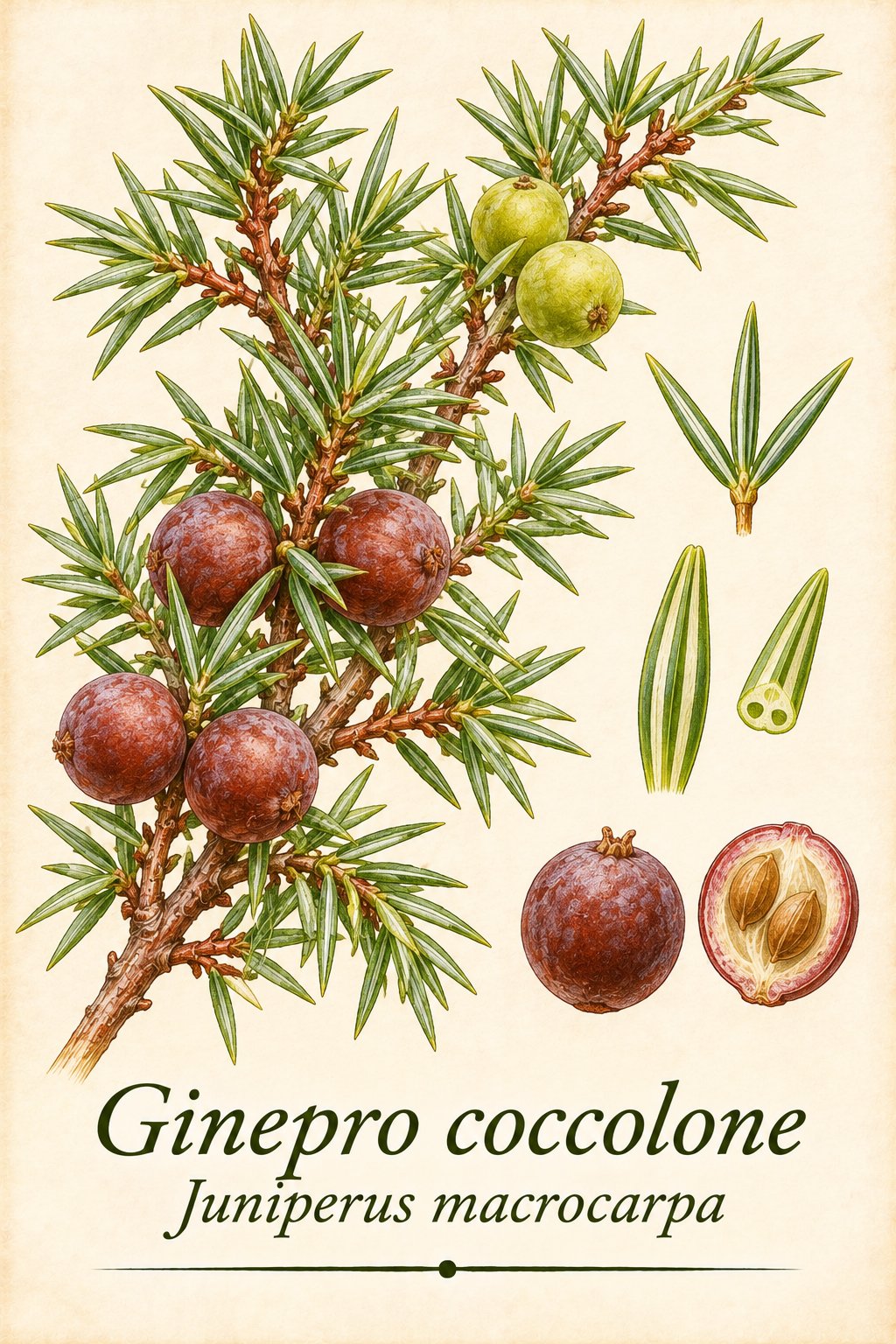
Large-fruited Juniper
Carpobrotus
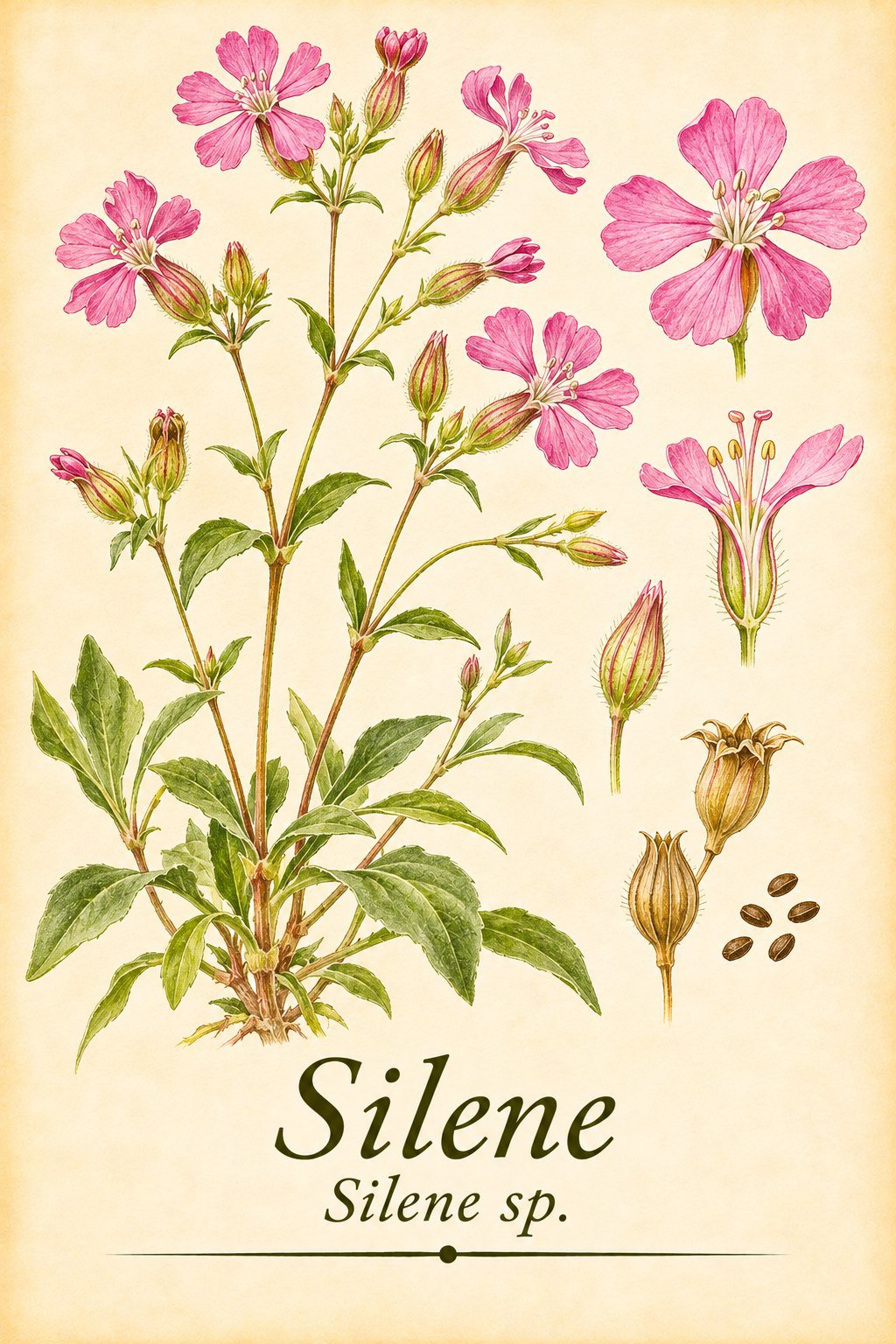
Campion
Yellow Flag Iris
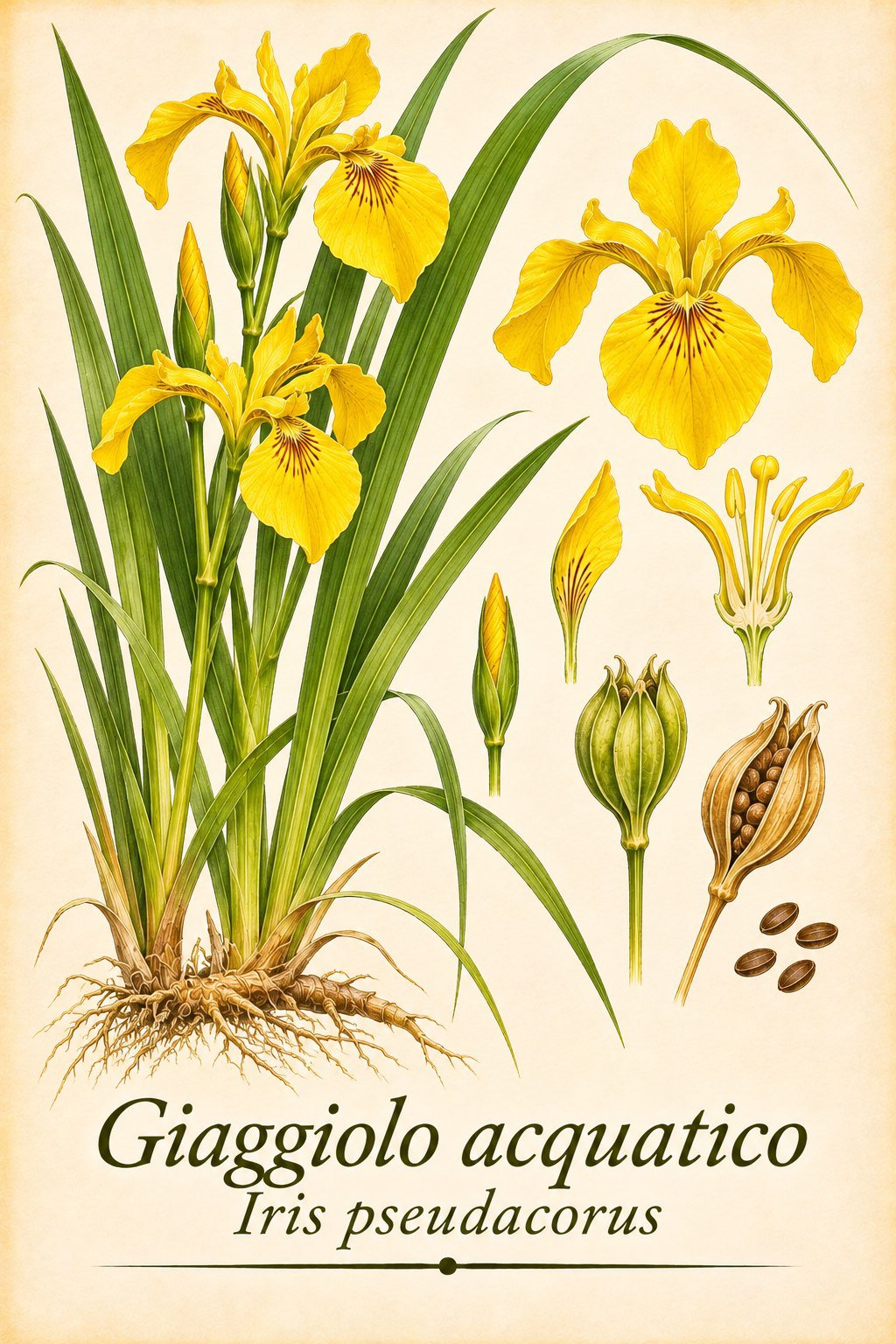
Water Mint
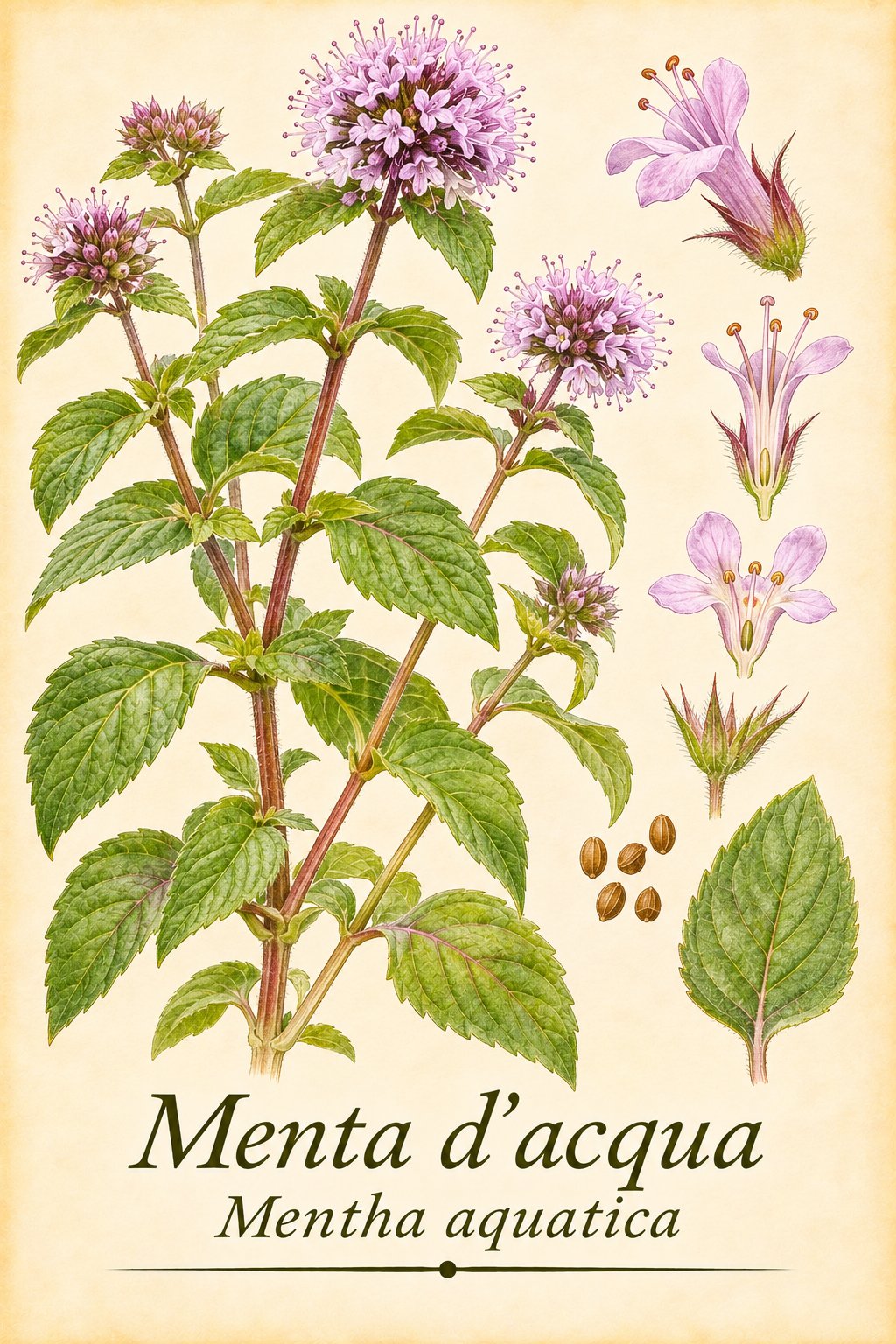
Purple Loosestrife
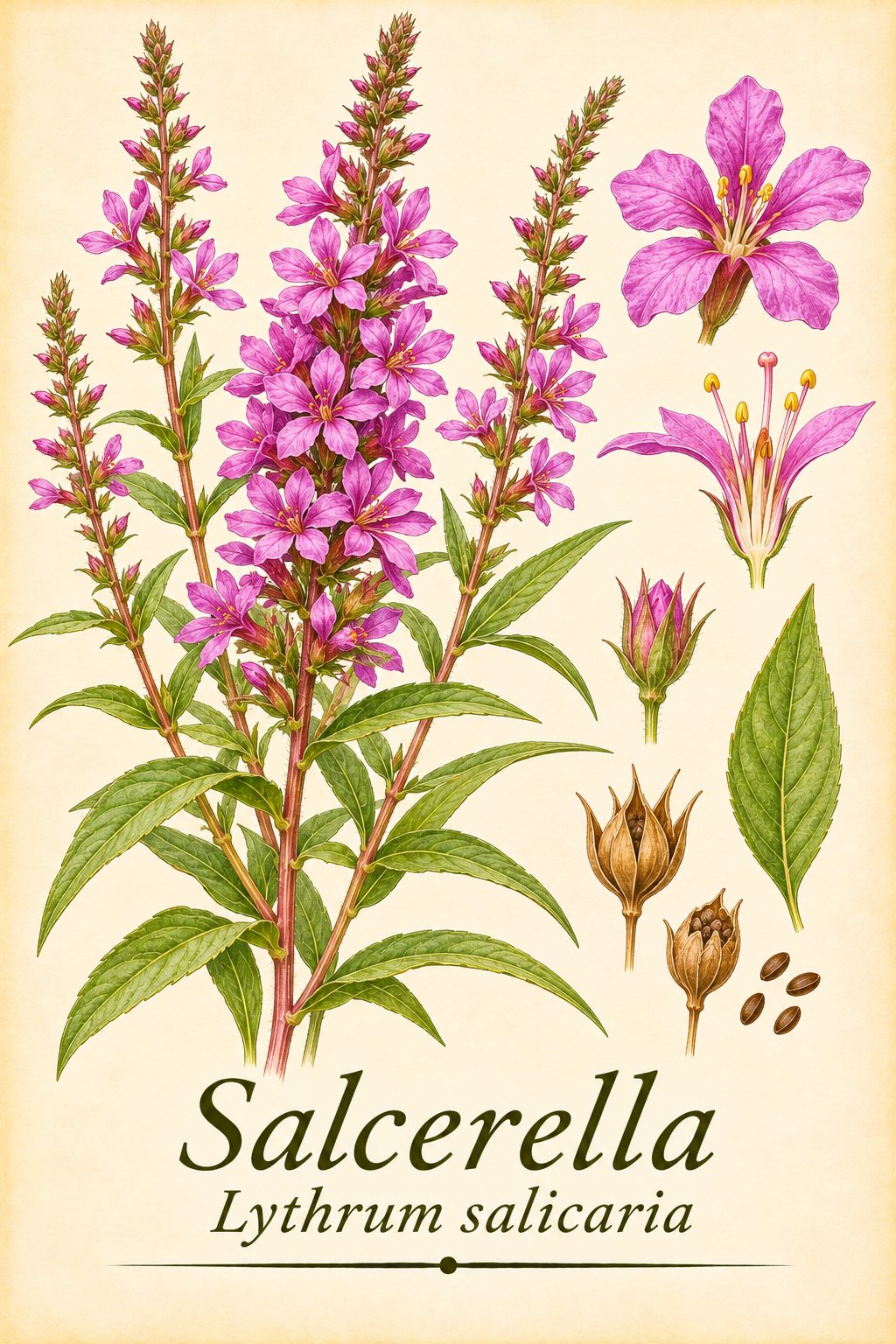
Common Rush
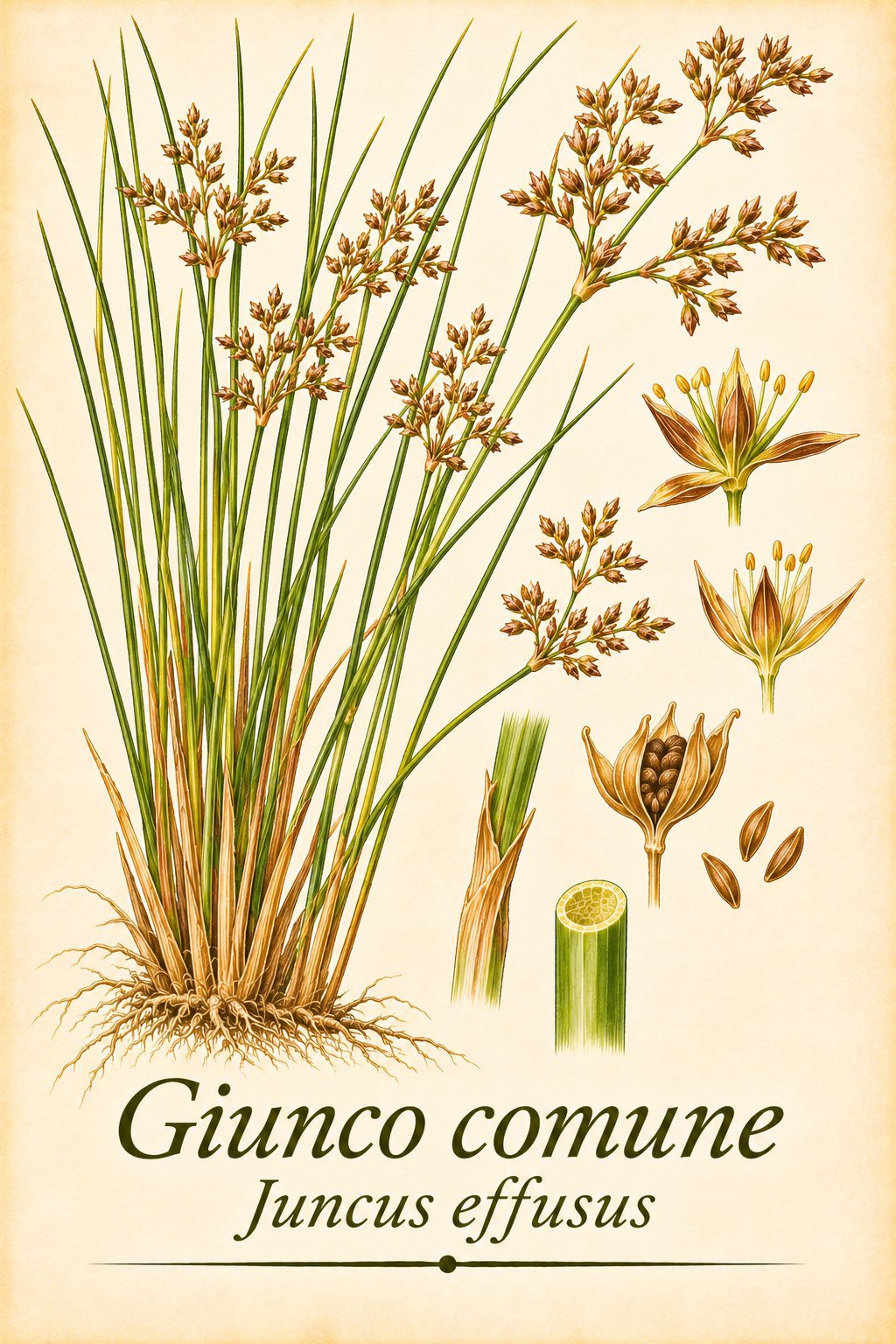
Black Alder
Tamarisk
Butterfly Orchid
Purple Iris
Romulea
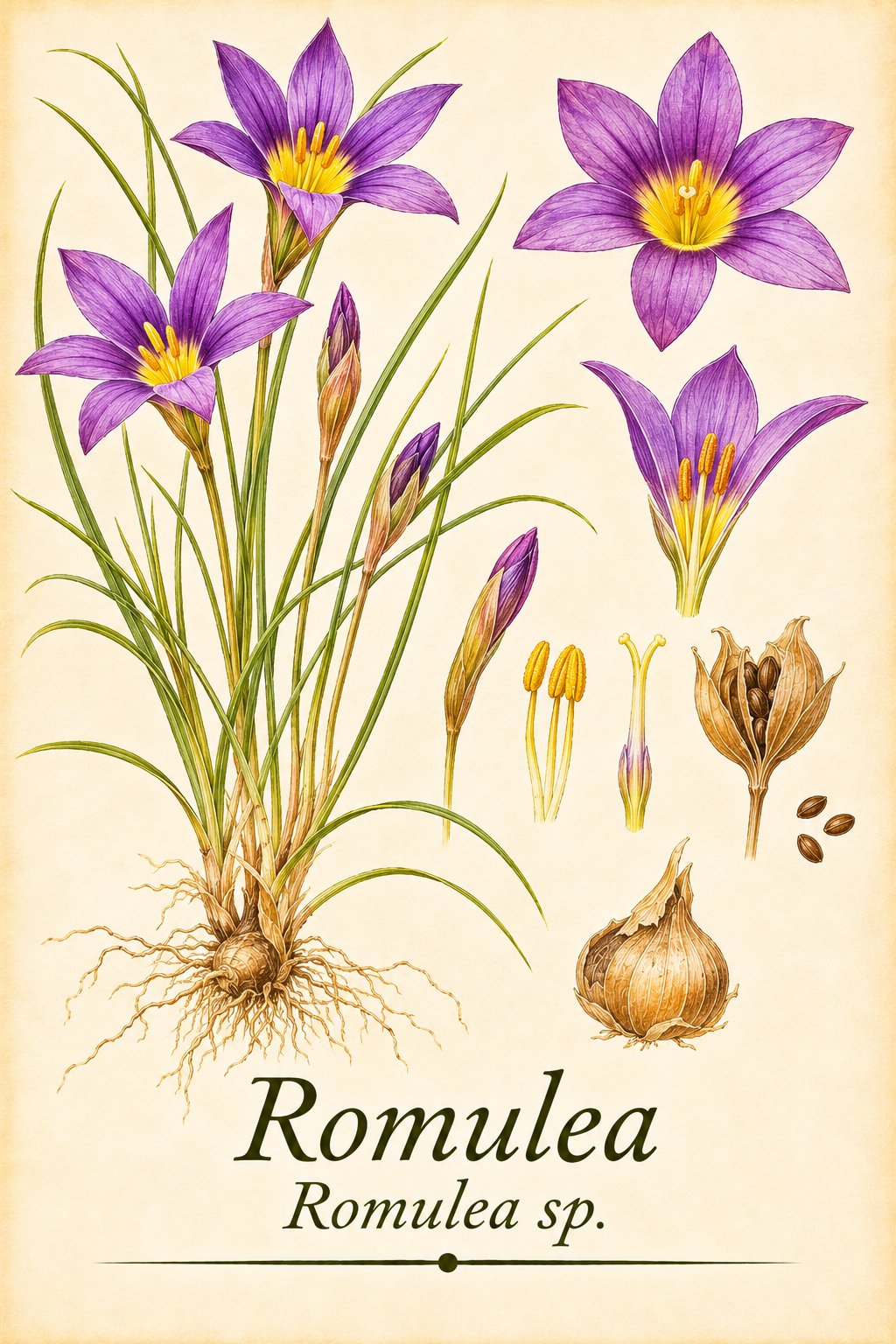
Wild Daisy
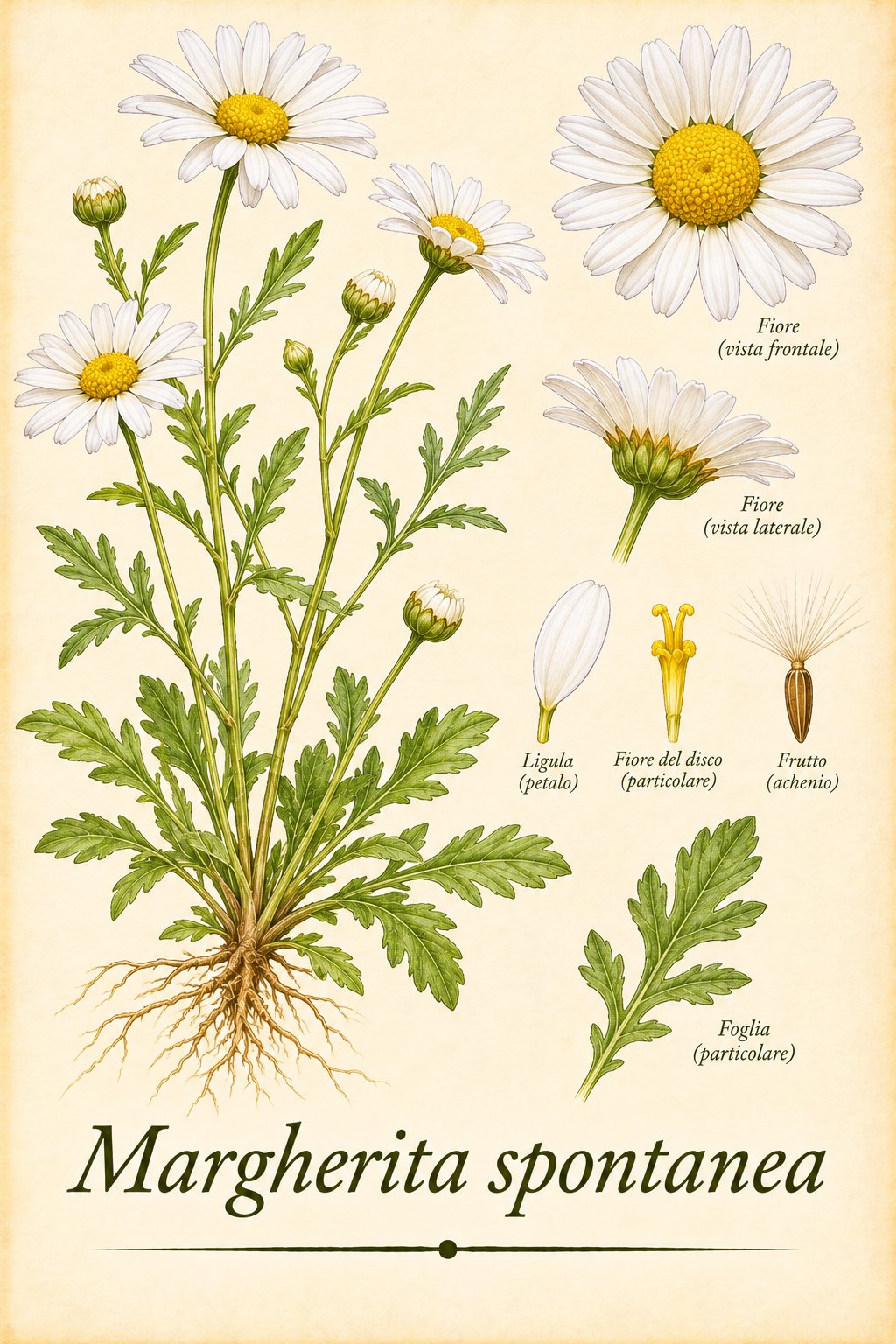
Crocus
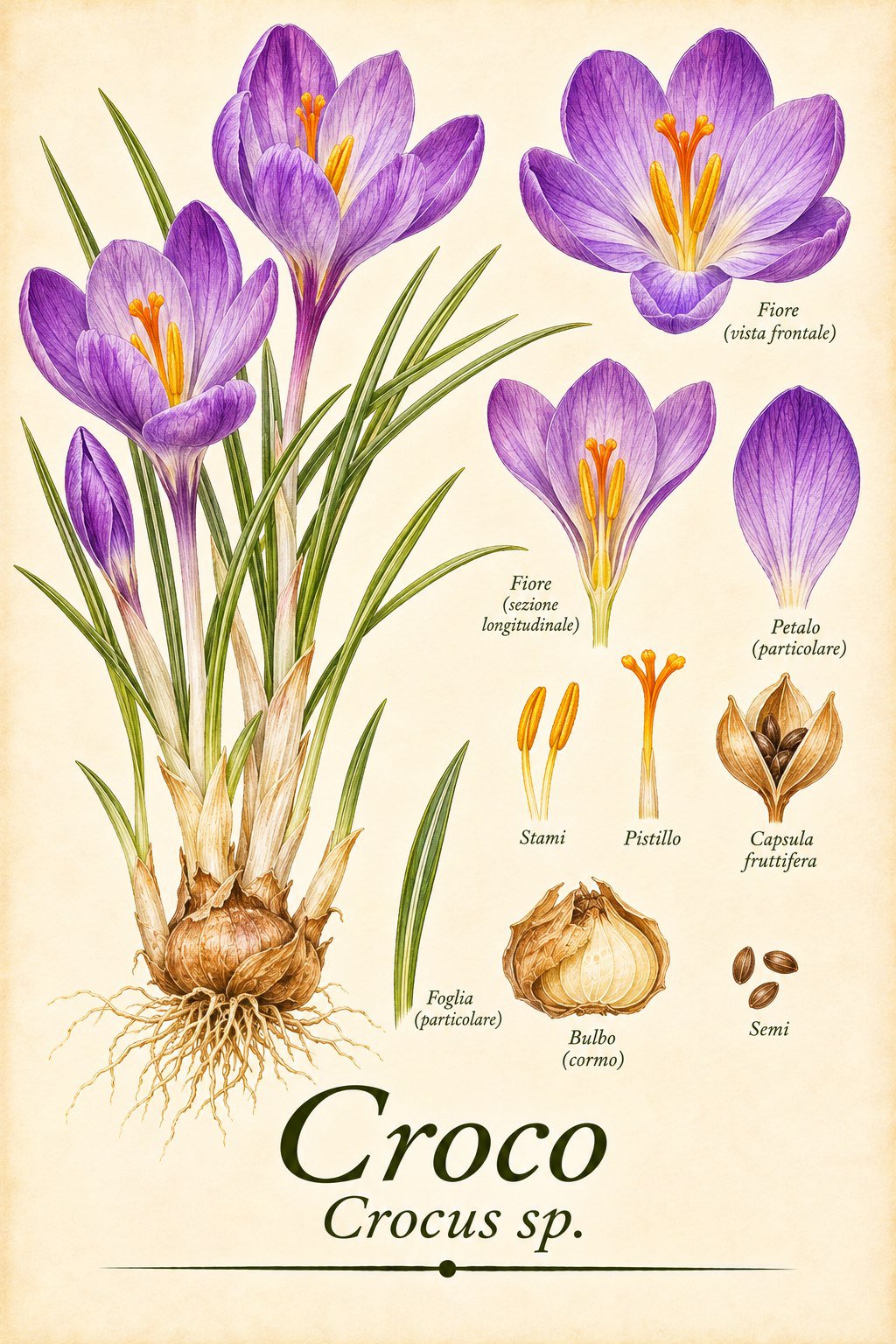
Moss
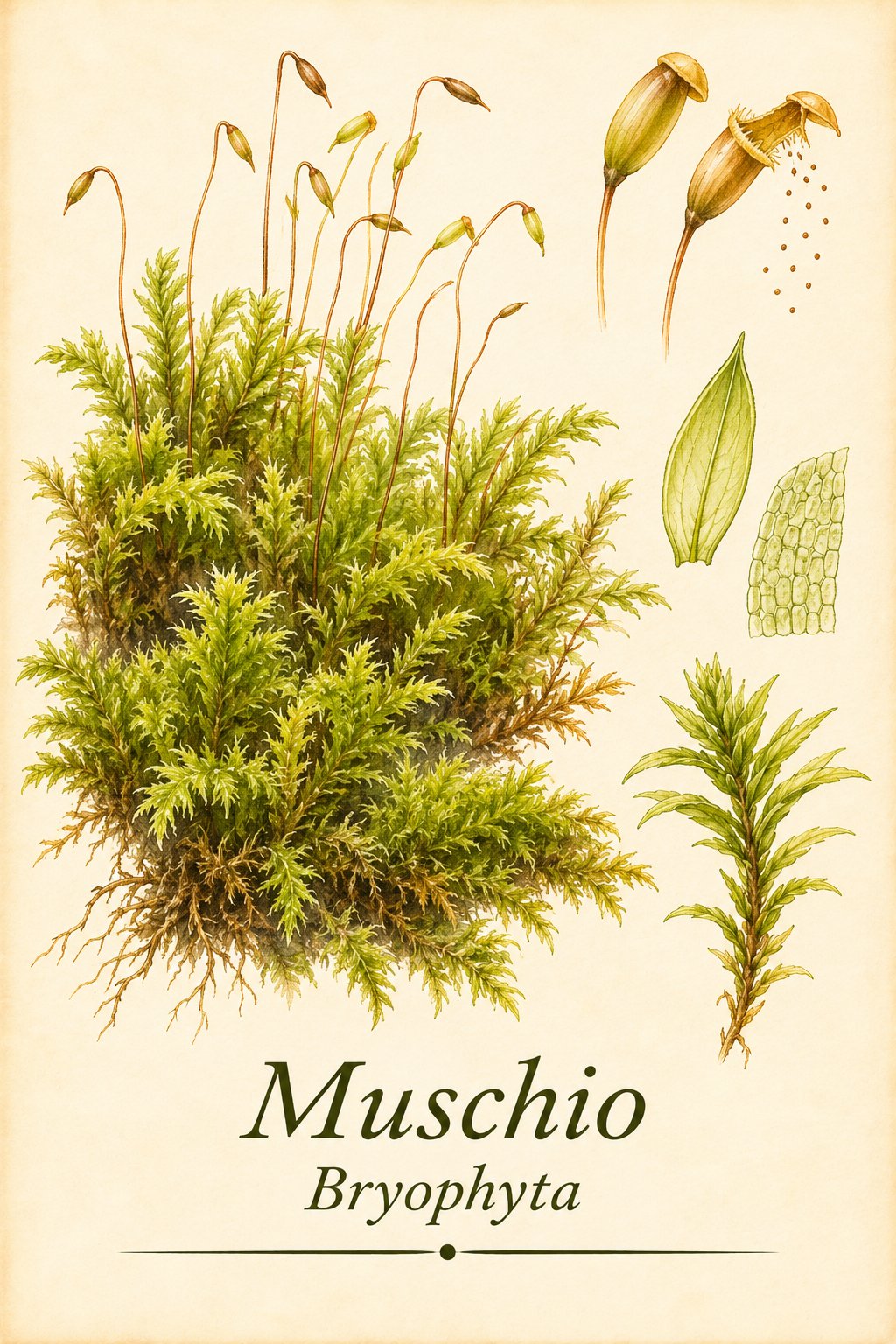
Silvery Lichens
Alphabetical Index of Plants
- Black Alder
- Bracken
- Butcher’s Broom
- Butterfly Orchid
- Campion
- Carpobrotus
- Circeo Knapweed
- Circeo Sea Lavender
- Common Bramble
- Common Rush
- Cork Oak
- Crocus
- Cyclamen
- Downy Oak
- Dwarf Fan Palm
- Holm Oak
- Hop Hornbeam
- Hungarian Oak
- Italian Buckthorn
- Large-fruited Juniper
- Manna Ash
- Many-flowered Heather
- Marram Grass
- Mastic Tree
- Mediterranean Esparto Grass
- Montpellier Rockrose
- Moss
- Myrtle
- Phillyrea
- Phoenician Juniper
- Pink Rockrose
- Purple Iris
- Purple Loosestrife
- Rock Samphire
- Romulea
- Rosemary
- Sea Daffodil
- Sea Holly
- Silvery Lichens
- Spanish Broom
- Strawberry Tree
- Tamarisk
- Tree Heather
- Tree Spurge
- Turkey Oak
- Water Mint
- Wild Asparagus
- Wild Daisy
- Yellow Flag Iris